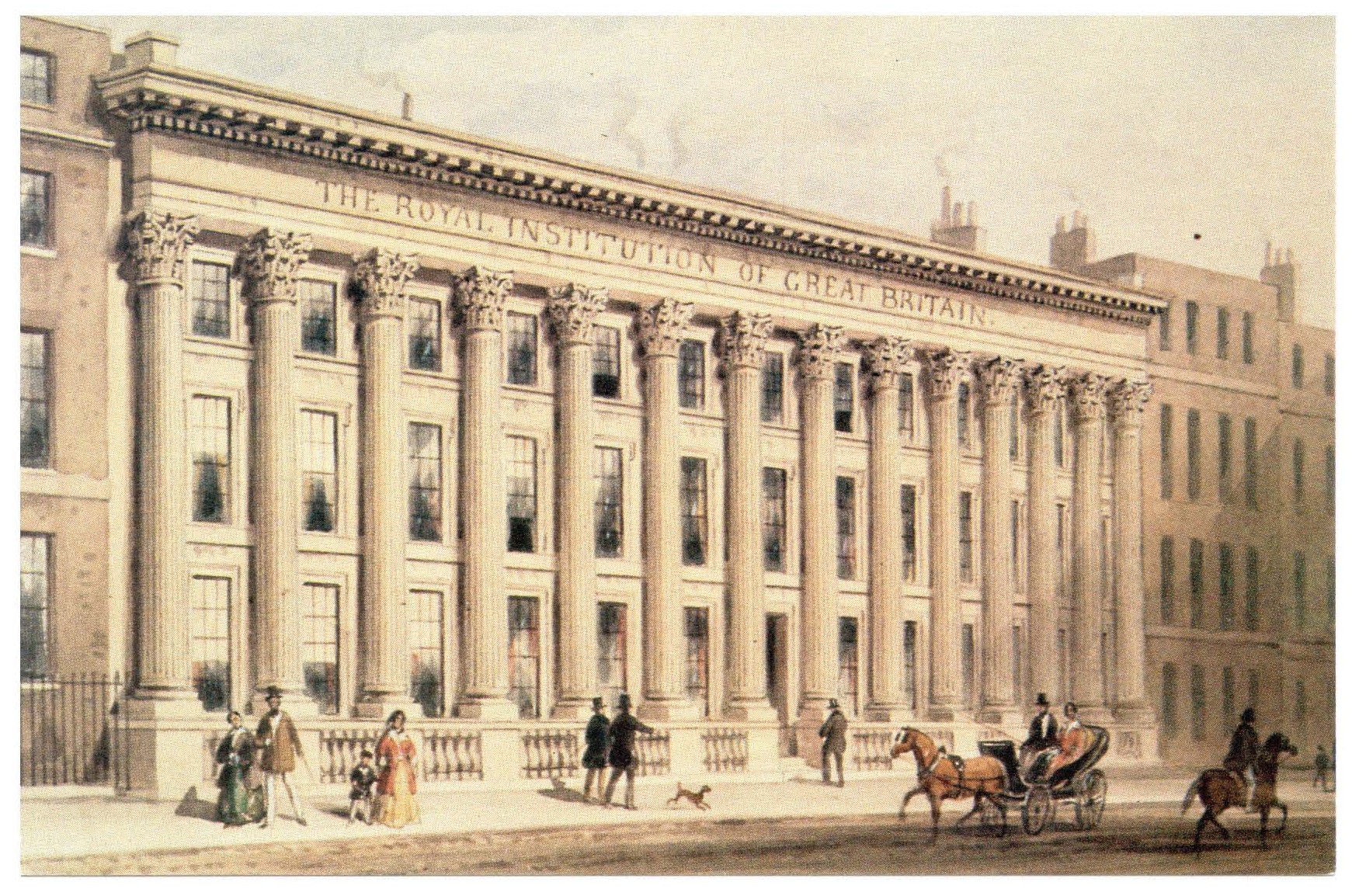
Ben Ebbrell and Dan from the Royal Institution demo team demonstrated why adding water to a chip pan fire is dangerous [1].
Understanding this chemical reaction is critical for home safety because the wrong response to a kitchen fire can instantly escalate a small flame into a life-threatening explosion.
The demonstration explains that when water is introduced to a chip pan fire, it does not extinguish the flames. Instead, the water instantly turns to steam under the superheated oil [1]. This rapid expansion of gas blasts burning oil droplets into the air, effectively spreading the fire across the room [1].
"When you add water to a chip pan fire, it instantly turns to steam under the superheated oil, blasting burning oil droplets into the air," the Royal Institution said [1].
The video highlights that the interaction between the dense, hot oil and the lighter water creates a volatile environment. Because water is denser than oil, it sinks to the bottom of the pan where it reaches its boiling point almost immediately. The resulting steam explosion forces the oil upward and outward in a violent spray [1].
In addition to the warning, the team demonstrated safe methods to extinguish such fires to prevent these hazardous reactions. By avoiding water and using appropriate suppression techniques, the risk of a steam-driven oil eruption is eliminated [1].
“Adding water to a chip pan fire instantly turns to steam under the superheated oil.”
This demonstration underscores a fundamental principle of thermodynamics in domestic settings. Because oil and water do not mix and have vastly different boiling points, the rapid phase change of water into steam creates a physical explosion that overrides any cooling effect the water might provide, making water the most dangerous tool for fighting grease fires.