
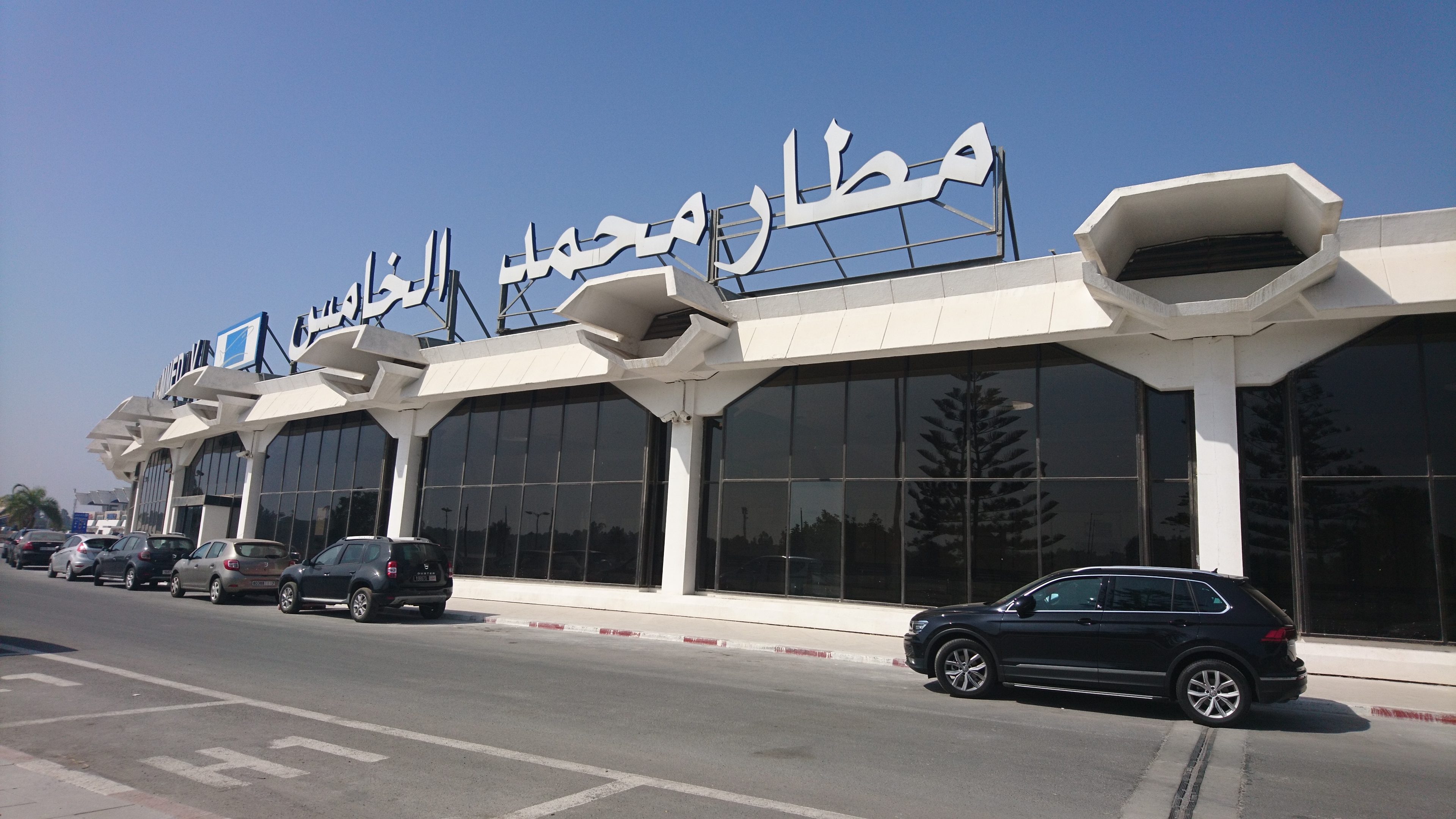
Royal Moroccan Airlines has temporarily suspended 12 scheduled flight routes to various African and European destinations [1].
The decision reflects the severe impact of geopolitical instability on the aviation sector, where rising costs and falling demand are forcing carriers to prune their networks.
Company officials said a sharp rise in jet-fuel prices and higher overall operating costs were primary drivers for the move [1], [2]. These financial pressures are compounded by reduced passenger demand, which the airline linked to the ongoing war in the Middle East and related geopolitical tensions [1], [2].
The suspensions affect several cities across two continents. In Africa, affected destinations include Bangui, Brazzaville, Kinshasa, Yaoundé, and Libreville [1]. In Europe, the airline has halted flights to Barcelona, Lyon, Bordeaux, Marseille, and Brussels [1].
Additionally, the airline has canceled flights to Doha [1]. These specific cancellations are scheduled to remain in place until June 30, 2026 [2].
The airline's struggle highlights a broader trend of volatility in the aviation industry, where fuel price spikes can either erase profit margins or make specific long-haul routes unsustainable. By suspending these 12 routes [1], the carrier aims to mitigate losses while navigating the current economic climate.
“Royal Moroccan Airlines has temporarily suspended 12 scheduled flight routes”
This move signals how regional conflicts in the Middle East create ripple effects that impact aviation logistics far beyond the immediate combat zone. By cutting routes to both Africa and Europe, Royal Moroccan Airlines is prioritizing core profitability over network expansion, suggesting that the cost of fuel and the dip in traveler confidence are currently too high to justify these specific corridors.


