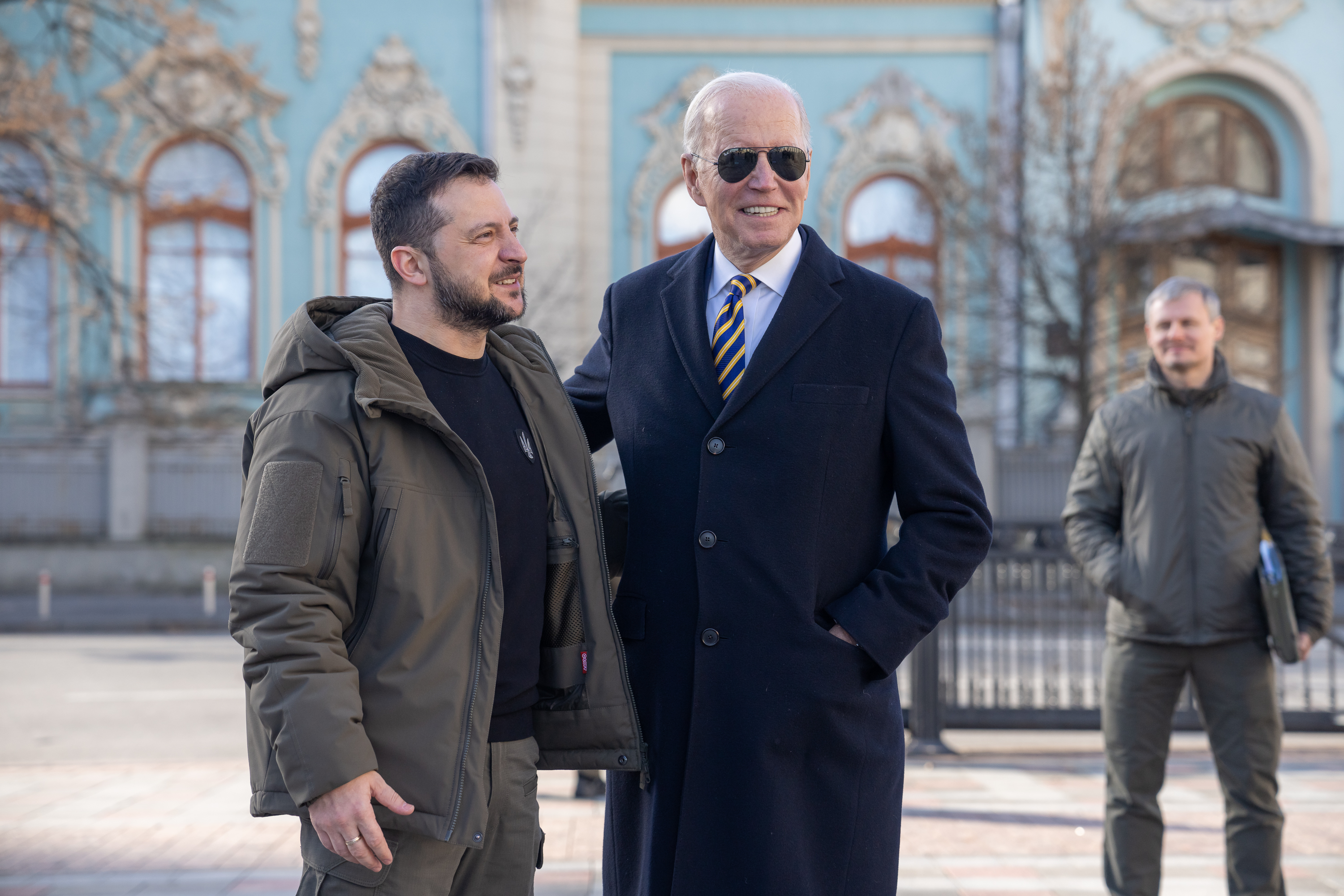
U.S. Secretary of State Marco Rubio joined a handshake line with ASEAN foreign ministers in Manila on Wednesday [1].
The gathering serves as a critical diplomatic touchpoint for the U.S. to strengthen ties with Southeast Asian nations and manage tensions with China. These meetings occur ahead of a formal ASEAN summit, providing a venue for high-level coordination on regional security.
Rubio arrived in the Philippines to participate in the regional gathering led by the Association of Southeast Asian Nations [1]. As part of the diplomatic proceedings, he held talks with ASEAN foreign ministers to discuss regional issues, and enhance cooperation [1].
Among the key engagements in Manila was a meeting between Rubio and Chinese Foreign Minister Wang Yi [1]. The interaction takes place amid ongoing efforts by both superpowers to maintain stability in the Indo-Pacific region—a zone of significant economic and strategic importance.
The visit to Manila emphasizes the U.S. commitment to the region through direct engagement with both allies and competitors [1]. By participating in the handshake line and subsequent bilateral talks, the U.S. aims to project a presence of cooperation and leadership within the ASEAN framework.
Officials involved in the proceedings said the discussions focused on strengthening regional cooperation [1]. The meeting on July 22 [1] marks a strategic effort to align interests before the formal ASEAN sessions begin.
“U.S. Secretary of State Marco Rubio joined a handshake line with ASEAN foreign ministers in Manila”
This diplomatic engagement signals a continued U.S. strategy of 'integrated deterrence' in the Indo-Pacific. By coordinating with ASEAN ministers and maintaining a direct line of communication with China's Foreign Minister Wang Yi, the U.S. seeks to prevent regional instability while reinforcing its security partnerships in the Philippines and beyond.