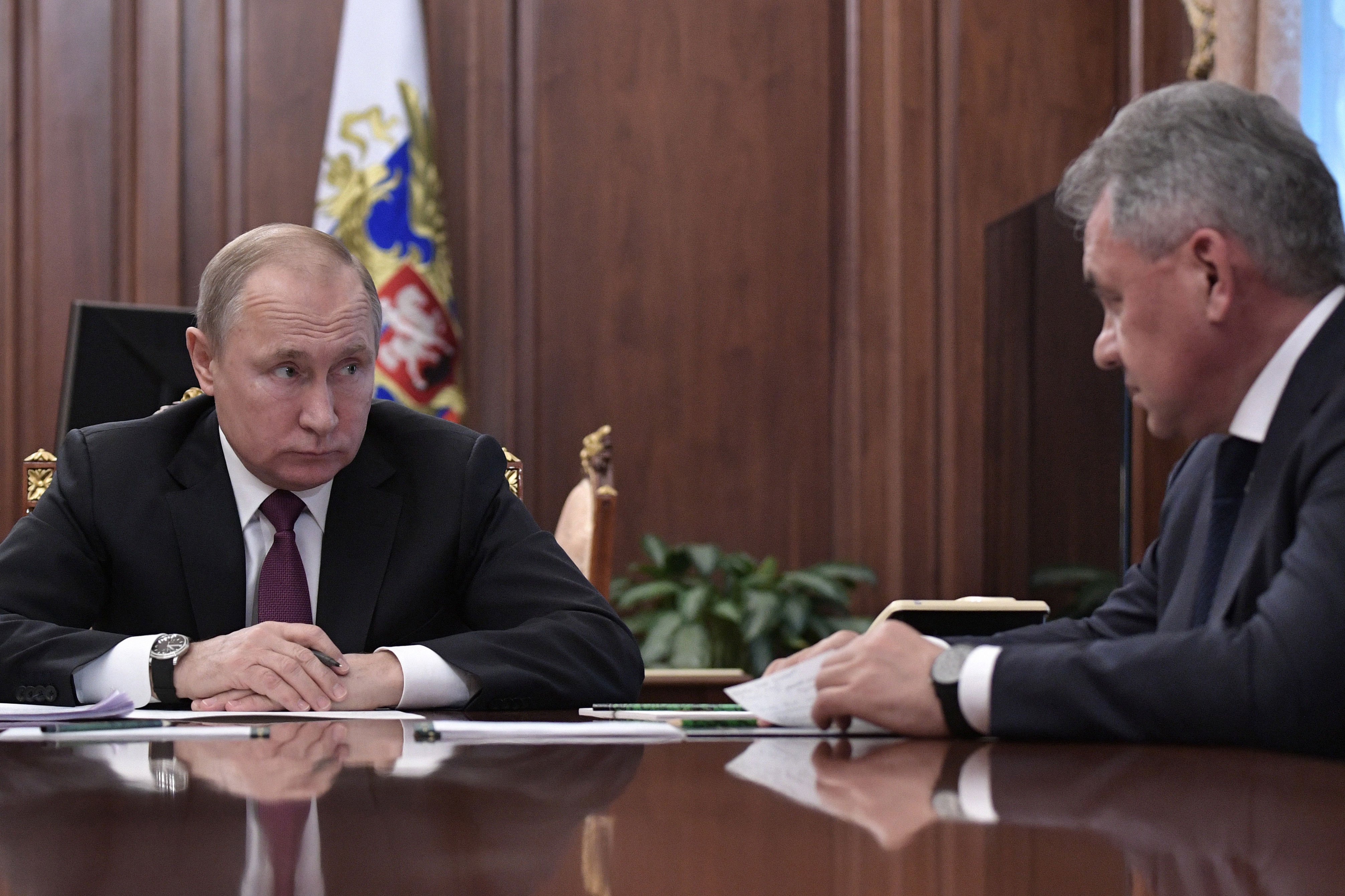
U.S. Secretary of State Marco Rubio held bilateral talks and spoke to the media during the 2026 ASEAN Summit in Manila [1].
These meetings serve as a critical touchpoint for the U.S. to reinforce security ties in Southeast Asia while addressing global economic threats and geopolitical conflicts.
Rubio met with Philippine President Marcos Jr. on July 22, 2026 [2], at locations including the Malacañang Palace. The discussions focused on regional security and trade stability. Specifically, Rubio said that potential Iranian tolls in the Strait of Hormuz could negatively impact the global economy [3].
The U.S. diplomat also engaged in high-level talks regarding the war in Ukraine, meeting with Russian Foreign Minister Sergey Lavrov [4]. Additionally, Rubio held discussions with China's Wang Yi to manage the complex bilateral relationship between Washington and Beijing [5].
Regarding future diplomacy, Rubio said he expects a positive outcome regarding a planned visit by Chinese President Xi Jinping to the United States in September 2026 [6].
Throughout the summit, the U.S. focused on balancing its strategic partnerships in the Indo-Pacific region while addressing immediate threats to international maritime trade. The Secretary's presence in Manila underscores the continued importance of the Philippines as a key U.S. ally in the region.
“Rubio said that potential Iranian tolls in the Strait of Hormuz could negatively impact the global economy.”
The concentration of bilateral meetings with representatives from Russia, China, and the Philippines during a single summit indicates the U.S. is utilizing the ASEAN framework to conduct multi-vector diplomacy. By addressing both the Strait of Hormuz and the Ukraine war in Manila, the U.S. is attempting to link regional Southeast Asian stability to broader global security concerns.

'%2F%3E%0A%20%20%20%20%3Crect%20width%3D'1600'%20height%3D'900'%20fill%3D'url(%23v)'%2F%3E%0A%20%20%20%20%3Cg%20opacity%3D'0.08'%20fill%3D'%23ffffff'%3E%0A%20%20%20%20%20%20%3Ccircle%20cx%3D'1420'%20cy%3D'180'%20r%3D'220'%2F%3E%0A%20%20%20%20%20%20%3Ccircle%20cx%3D'1500'%20cy%3D'760'%20r%3D'120'%2F%3E%0A%20%20%20%20%3C%2Fg%3E%0A%20%20%20%20%3Cline%20x1%3D'80'%20y1%3D'172'%20x2%3D'220'%20y2%3D'172'%20stroke%3D'%23ffffff'%20stroke-width%3D'3'%20stroke-opacity%3D'0.6'%2F%3E%0A%20%20%20%20%3Ctext%20x%3D'80'%20y%3D'140'%20font-family%3D'Inter%2C%20-apple-system%2C%20Helvetica%2C%20sans-serif'%20font-weight%3D'700'%20font-size%3D'28'%20fill%3D'%23ffffff'%20letter-spacing%3D'6'%3EHANNA%20%C2%B7%20NEWS%3C%2Ftext%3E%0A%20%20%20%20%3Ctext%20x%3D'80'%20y%3D'230'%20font-family%3D'Inter%2C%20-apple-system%2C%20Helvetica%2C%20sans-serif'%20font-weight%3D'600'%20font-size%3D'40'%20fill%3D'%23ffffffb3'%20letter-spacing%3D'4'%3EWORLD%3C%2Ftext%3E%0A%20%20%20%20%3Ctext%20x%3D'80'%20y%3D'622'%20font-family%3D'Playfair%20Display%2C%20Georgia%2C%20serif'%20font-weight%3D'800'%20font-size%3D'86'%20fill%3D'%23ffffff'%20letter-spacing%3D'-1'%3EDelhi%20Police%20and%20CJP%3C%2Ftext%3E%3Ctext%20x%3D'80'%20y%3D'721'%20font-family%3D'Playfair%20Display%2C%20Georgia%2C%20serif'%20font-weight%3D'800'%20font-size%3D'86'%20fill%3D'%23ffffff'%20letter-spacing%3D'-1'%3EProtesters%20Clash%20at%20Jantar%3C%2Ftext%3E%3Ctext%20x%3D'80'%20y%3D'820'%20font-family%3D'Playfair%20Display%2C%20Georgia%2C%20serif'%20font-weight%3D'800'%20font-size%3D'86'%20fill%3D'%23ffffff'%20letter-spacing%3D'-1'%3EMantar%3C%2Ftext%3E%0A%20%20%20%20%3Ctext%20x%3D'80'%20y%3D'870'%20font-family%3D'Inter%2C%20-apple-system%2C%20Helvetica%2C%20sans-serif'%20font-weight%3D'500'%20font-size%3D'22'%20fill%3D'%23ffffff66'%20letter-spacing%3D'2'%3Enews.hanna-ai.com%3C%2Ftext%3E%0A%20%20%3C%2Fsvg%3E)