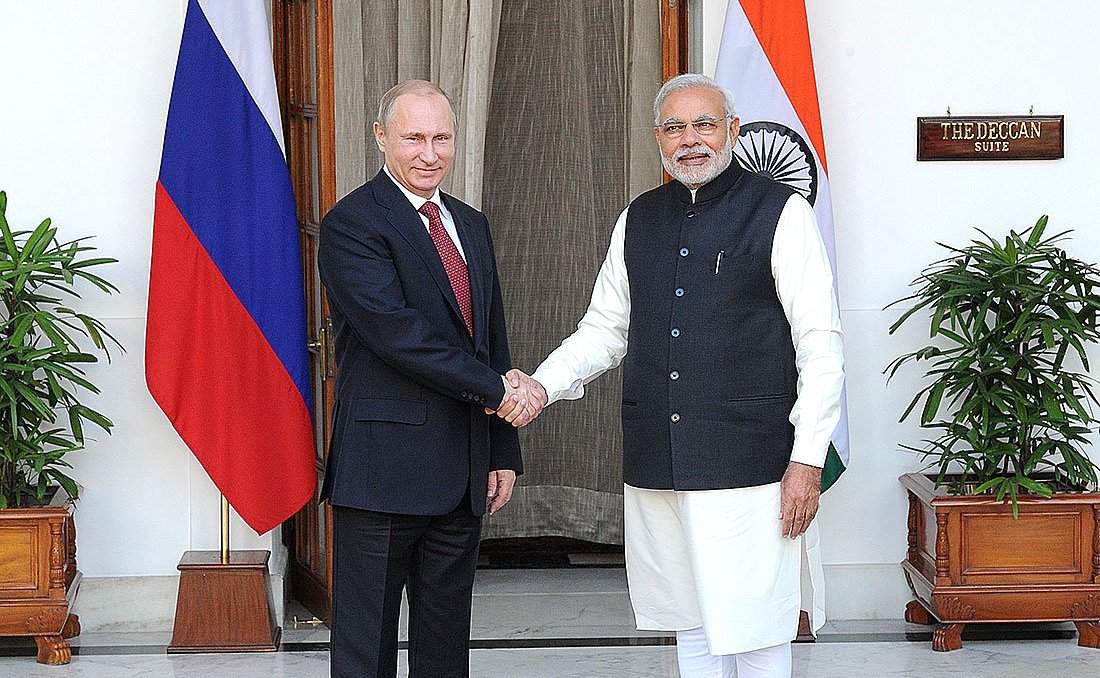
U.S. Secretary of State Marco Rubio said the Quad alliance is more important than ever during an interview in Delhi [1].
The statement underscores a strategic pivot toward deepening security and diplomatic ties between the U.S. and India to maintain stability in the Indo-Pacific region. As geopolitical tensions shift, the coordination between the four Quad nations serves as a primary mechanism for countering regional instability.
Rubio arrived in Delhi to hold high-level meetings with Indian Prime Minister Narendra Modi [1]. During these discussions, the two officials outlined a vision for stronger bilateral relations, focusing on the strategic relevance of the Quad in the current global environment [2].
Beyond the Quad, the Secretary of State addressed several critical points of contention and cooperation. Rubio said the ongoing Iran crisis and the necessity of maintaining energy security across the region are critical [1]. The conversation also touched upon trade agreements, and the management of visas, which remain central to the economic relationship between the two nations [2].
Rubio's visit emphasizes a commitment to a shared Indo-Pacific strategy. By prioritizing these diplomatic channels, the U.S. aims to align its interests with India's regional goals, creating a unified front on maritime security and trade [1].
"The Quad is more important than ever," Rubio said [2].
“The Quad is more important than ever.”
The emphasis on the Quad suggests that the U.S. views the partnership with India as a cornerstone of its containment and stability strategy in Asia. By linking the Quad to specific issues like energy security and the Iran crisis, the U.S. is attempting to broaden the alliance's scope from a purely regional maritime pact to a global strategic partnership.


'%2F%3E%0A%20%20%20%20%3Crect%20width%3D'1600'%20height%3D'900'%20fill%3D'url(%23v)'%2F%3E%0A%20%20%20%20%3Cg%20opacity%3D'0.08'%20fill%3D'%23ffffff'%3E%0A%20%20%20%20%20%20%3Ccircle%20cx%3D'1420'%20cy%3D'180'%20r%3D'220'%2F%3E%0A%20%20%20%20%20%20%3Ccircle%20cx%3D'1500'%20cy%3D'760'%20r%3D'120'%2F%3E%0A%20%20%20%20%3C%2Fg%3E%0A%20%20%20%20%3Cline%20x1%3D'80'%20y1%3D'172'%20x2%3D'220'%20y2%3D'172'%20stroke%3D'%23ffffff'%20stroke-width%3D'3'%20stroke-opacity%3D'0.6'%2F%3E%0A%20%20%20%20%3Ctext%20x%3D'80'%20y%3D'140'%20font-family%3D'Inter%2C%20-apple-system%2C%20Helvetica%2C%20sans-serif'%20font-weight%3D'700'%20font-size%3D'28'%20fill%3D'%23ffffff'%20letter-spacing%3D'6'%3EHANNA%20%C2%B7%20NEWS%3C%2Ftext%3E%0A%20%20%20%20%3Ctext%20x%3D'80'%20y%3D'230'%20font-family%3D'Inter%2C%20-apple-system%2C%20Helvetica%2C%20sans-serif'%20font-weight%3D'600'%20font-size%3D'40'%20fill%3D'%23ffffffb3'%20letter-spacing%3D'4'%3EWORLD%3C%2Ftext%3E%0A%20%20%20%20%3Ctext%20x%3D'80'%20y%3D'622'%20font-family%3D'Playfair%20Display%2C%20Georgia%2C%20serif'%20font-weight%3D'800'%20font-size%3D'86'%20fill%3D'%23ffffff'%20letter-spacing%3D'-1'%3EBonnie%20Tyler%2C%20%26apos%3BTotal%3C%2Ftext%3E%3Ctext%20x%3D'80'%20y%3D'721'%20font-family%3D'Playfair%20Display%2C%20Georgia%2C%20serif'%20font-weight%3D'800'%20font-size%3D'86'%20fill%3D'%23ffffff'%20letter-spacing%3D'-1'%3EEclipse%20of%20the%20Heart%26apos%3B%3C%2Ftext%3E%3Ctext%20x%3D'80'%20y%3D'820'%20font-family%3D'Playfair%20Display%2C%20Georgia%2C%20serif'%20font-weight%3D'800'%20font-size%3D'86'%20fill%3D'%23ffffff'%20letter-spacing%3D'-1'%3Esinger%2C%20dies%20at%2075%3C%2Ftext%3E%0A%20%20%20%20%3Ctext%20x%3D'80'%20y%3D'870'%20font-family%3D'Inter%2C%20-apple-system%2C%20Helvetica%2C%20sans-serif'%20font-weight%3D'500'%20font-size%3D'22'%20fill%3D'%23ffffff66'%20letter-spacing%3D'2'%3Enews.hanna-ai.com%3C%2Ftext%3E%0A%20%20%3C%2Fsvg%3E)