
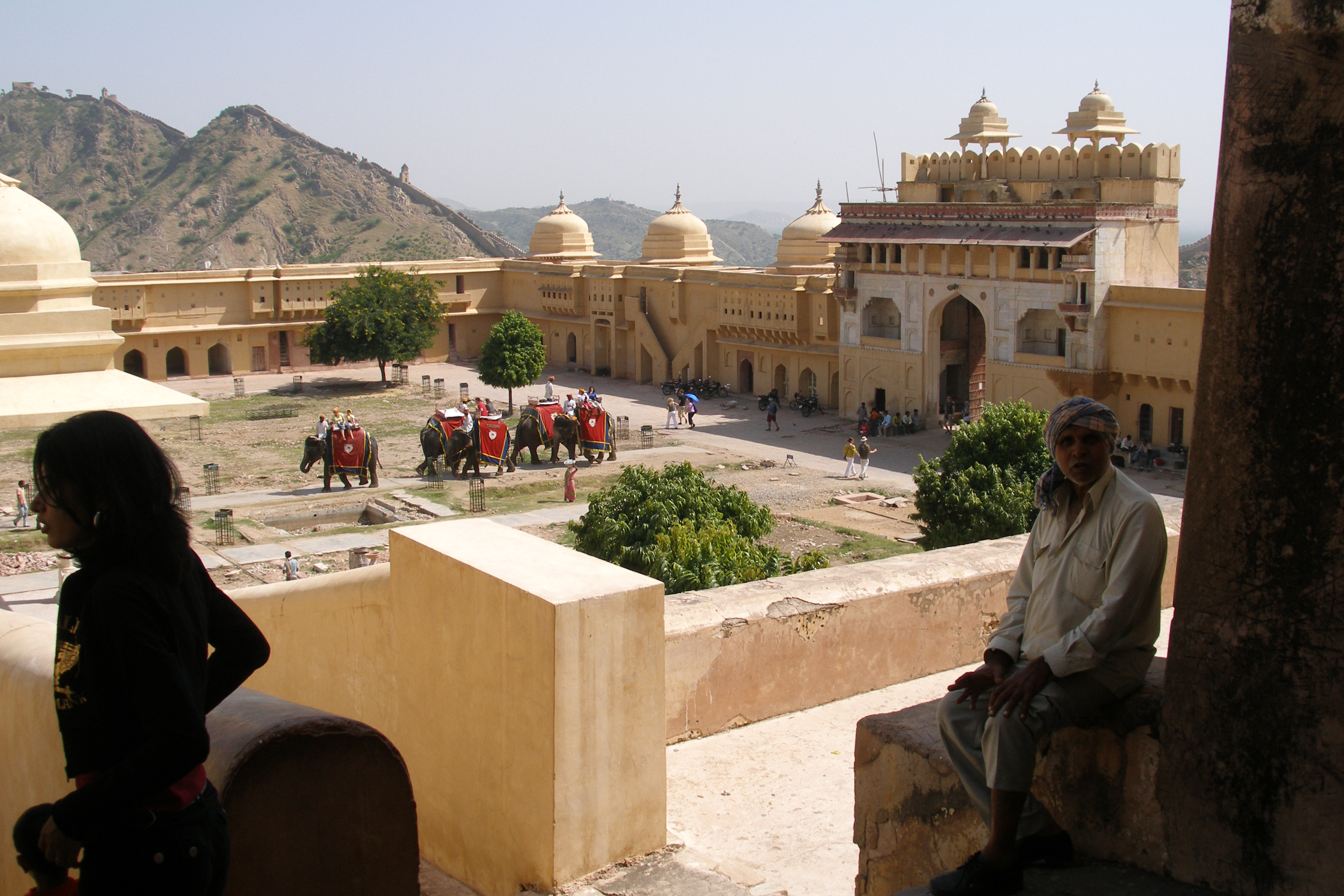
U.S. Secretary of State Marco Rubio visited the Taj Mahal in Agra and Amer Fort in Jaipur on Monday during an official trip to India.
The visit serves as a high-profile diplomatic precursor to the Quad Summit, signaling the importance of the U.S.-India strategic partnership through cultural engagement.
Rubio was accompanied by his wife and members of the U.S. delegation during the tour of the historic sites. The Secretary of State spent nearly one and a half hours [2] exploring the Taj Mahal, one of the world's most recognized architectural landmarks.
Reports indicated a modest reception upon his arrival in Agra, where he was welcomed by three officers [3], including a police officer. This reception contrasted with the typical scale of diplomatic arrivals for high-ranking U.S. officials in the region.
The excursions to Agra and Jaipur are part of a broader four-day [1] visit to India. By visiting both the Mughal architecture of the Taj Mahal and the Rajput fortifications of Amer Fort, the Secretary of State engaged with diverse aspects of India's heritage.
These cultural visits often precede formal policy negotiations, allowing diplomats to establish rapport with host nations before entering the high-stakes environment of the Quad Summit. The summit typically focuses on security, trade, and regional stability in the Indo-Pacific.
“The Secretary of State spent nearly one and a half hours exploring the Taj Mahal.”
The integration of cultural tourism into a diplomatic itinerary is a strategic tool used to soften the image of a visiting official before rigorous geopolitical discussions. By visiting landmarks in both Agra and Jaipur, the U.S. acknowledges India's historical depth, which helps build the bilateral goodwill necessary for the upcoming Quad Summit's security and economic objectives.


