U.S. Secretary of State Marco Rubio said the U.S. military operation in Iran will conclude in a matter of weeks [1].
This timeline suggests a rapid escalation toward a resolution of the conflict, which has heightened global concerns regarding energy security and regional stability in the Middle East.
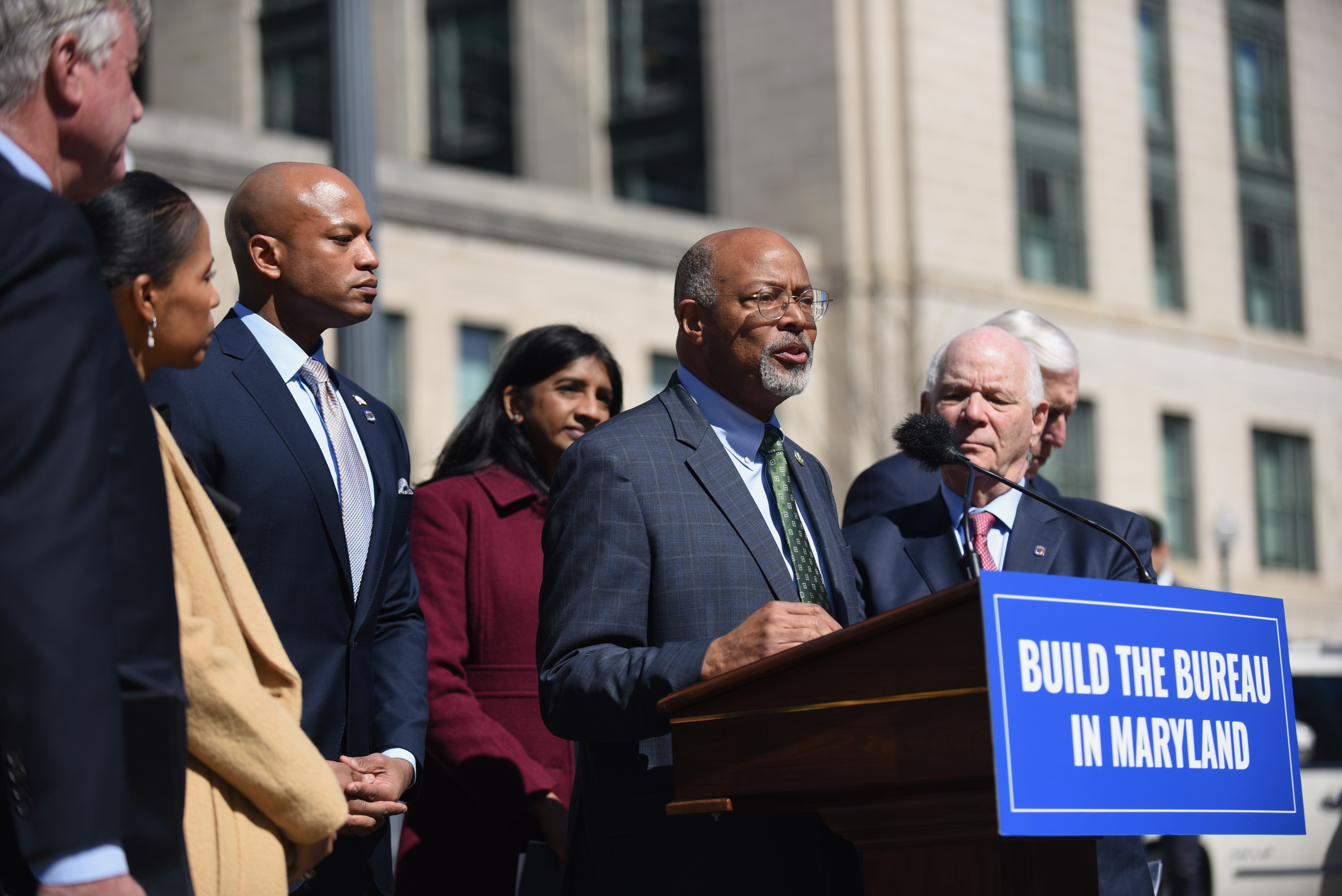
Rubio addressed the situation during a press conference in Washington, D.C. [1]. The Secretary of State said that the navigation of the Strait of Hormuz must remain safe [1]. This call for maritime security follows assertions by Donald Trump that Iran does not control the strategic waterway.
During the briefing, Rubio said the surrender of Iran is demanded as part of the ongoing military engagement [1]. The operation aims to secure the region and ensure that critical shipping lanes remain open to international traffic.
Reports on the timing of these remarks vary. One source indicates Rubio spoke in Washington on April 14, 2026 [2], while other reports associate the statements with a press conference in the U.S. capital [1].
Rubio's focus on the Strait of Hormuz highlights the economic stakes of the military action. The strait is a primary chokepoint for global oil exports, and any disruption to its flow could trigger significant volatility in global energy markets.
"La navegación en el estrecho de Ormuz debe ser segura," Rubio said [1].
“The military operation in Iran will conclude in a matter of weeks.”
The U.S. administration is attempting to project a definitive end-date for its military campaign to prevent a prolonged conflict. By focusing on the Strait of Hormuz and demanding a total surrender, the U.S. is leveraging both military pressure and economic threats to force a quick Iranian capitulation while attempting to stabilize global oil markets.