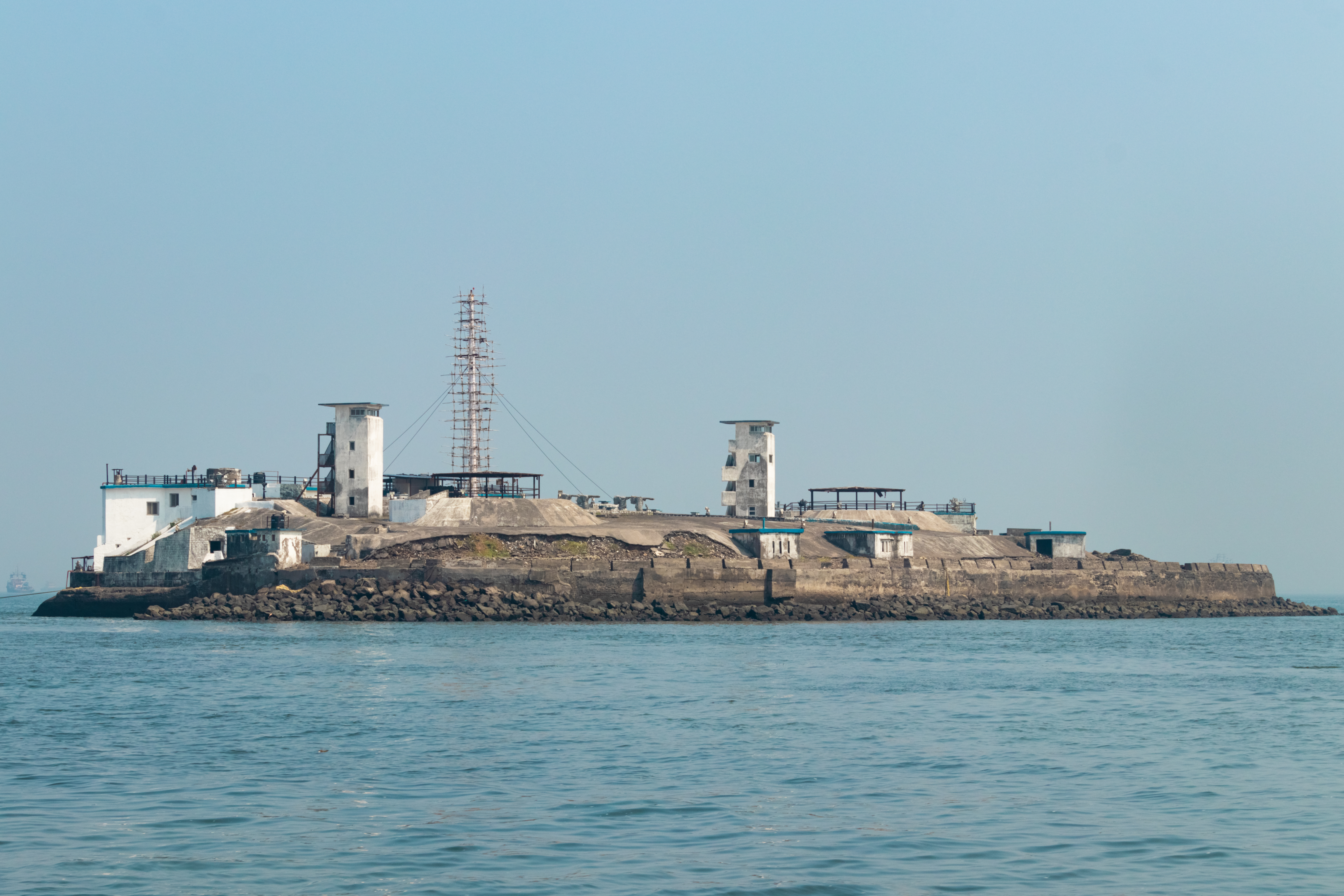
Sen. Marco Rubio (R-Fla.) said the United States will not provide sanctions relief to Iran or accept Iranian control of the Strait of Hormuz [1, 2].
This stance signals a hardline approach toward Tehran, emphasizing that economic pressure and maritime control are essential tools for forcing Iranian concessions. By linking the reopening of the strait to specific demands, the U.S. aims to maintain geopolitical leverage in a critical global shipping lane [1, 5].
Rubio made the remarks during a Senate Committee hearing regarding the State Department’s budget request [1, 3]. He said that the current policy of sanctions must remain intact to ensure the U.S. does not lose its strategic advantage in the region [1, 2].
"The United States will not give Iran any sanctions relief," Rubio said [2].
The senator further addressed the strategic importance of the waterway located between Oman and Iran. He said that the U.S. would not permit Iran to maintain its grip on the passage, which is vital for international oil transit [1, 3].
"We will not accept Iran retaining control of the Strait of Hormuz," Rubio said [1].
Rubio also connected the physical accessibility of the strait to diplomatic outcomes. He said that the U.S. would keep the strait closed as a point of leverage until Tehran meets specific American requirements [3].
"We are not going to reopen the Strait until Iran meets our demands," Rubio said [3].
While Rubio maintains that this pressure will yield results, some analysts suggest that Iran may not relinquish control of the waterway easily, regardless of U.S. demands [5].
“"The United States will not give Iran any sanctions relief,"”
The U.S. is adopting a strategy of maximum pressure that integrates economic sanctions with the tactical control of maritime chokepoints. By treating the Strait of Hormuz as a bargaining chip, the U.S. is attempting to shift the cost of escalation onto Iran, though this risks increasing volatility in global energy markets if the blockade persists.