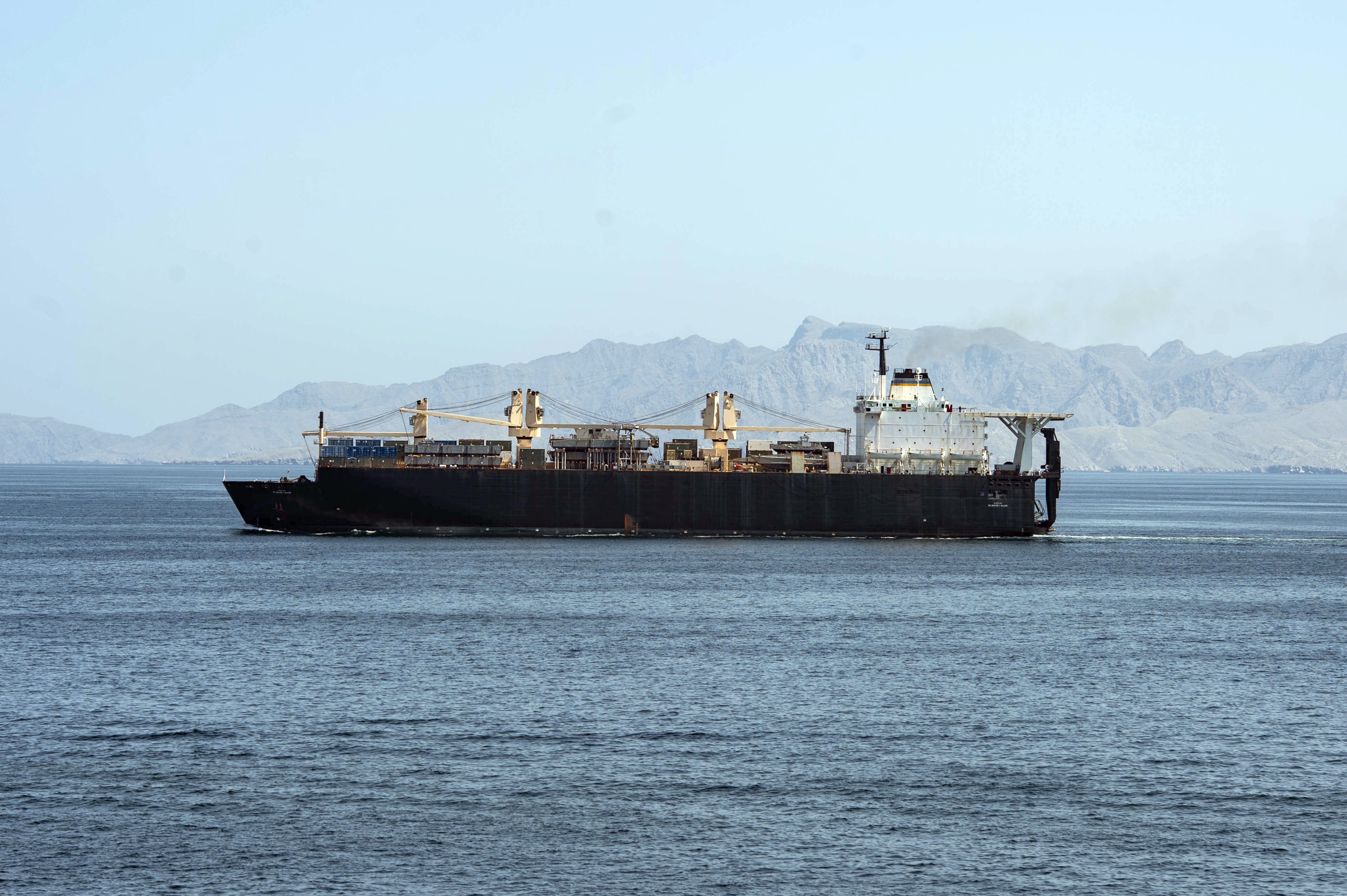
U.S. Secretary of State Marco Rubio said Iran cannot charge tolls for passage through the Strait of Hormuz on Tuesday [1].
The statement reaffirms the U.S. position on the freedom of navigation in one of the world's most critical maritime chokepoints. Any attempt to restrict commercial transit or impose fees could disrupt global energy markets and violate established international treaties.
Rubio said to reporters that no country is allowed to charge tolls or fees, stating, "That's the law" [2]. He said that Iran would never be able to charge tolls through the Strait of Hormuz because such actions are forbidden under international law [1].
Beyond the issue of tolls, Rubio addressed the physical security of the waterway. He said Iran has mined large segments of the Hormuz Strait, an action he described as illegal [3]. This mining activity represents a direct threat to the safety of international shipping vessels navigating between the Persian Gulf and the Gulf of Oman [2].
The tension in the region comes as maritime operations attempt to manage stranded personnel. More than 11,000 seafarers stuck in the Persian Gulf will begin to exit through the Strait of Hormuz [4]. The movement of these workers depends on the stability of the waterway, and the absence of further illegal obstructions.
Rubio's comments signal a continued U.S. commitment to preventing any single nation from exerting unilateral control over these international waters. By framing the issue as a matter of law, the administration seeks to build a legal basis for international cooperation against Iranian maritime restrictions [1].
“"No country is allowed to charge tolls or fees."”
The U.S. is leveraging international law to delegitimize Iranian claims to the Strait of Hormuz, aiming to prevent the waterway from becoming a tool for political or financial leverage. By highlighting the illegal mining of the strait, the U.S. is signaling that it views these activities not just as diplomatic disputes, but as direct threats to global trade and the safety of thousands of seafarers currently attempting to exit the region.


