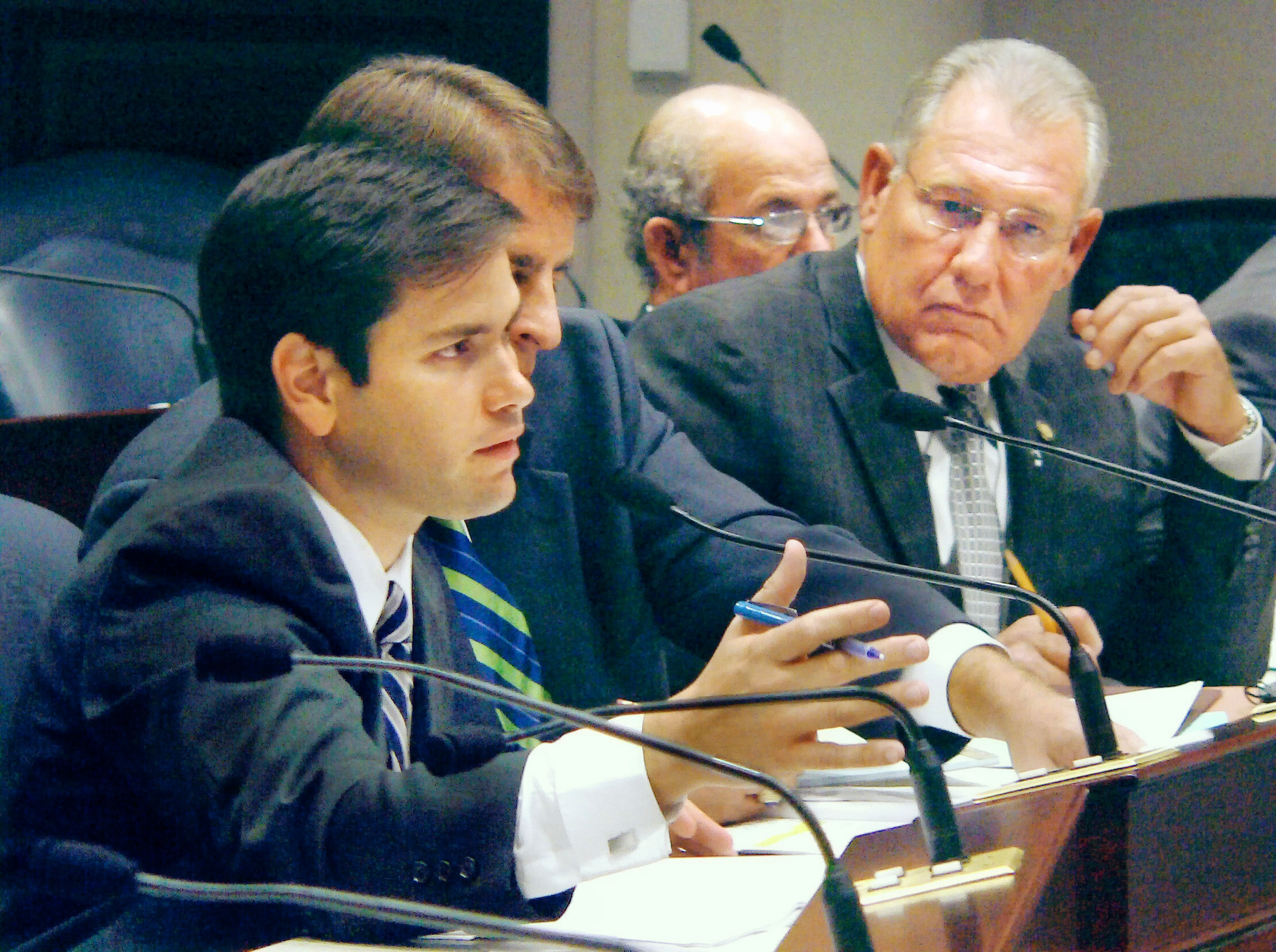
U.S. Senator Marco Rubio (R-FL) warned that a rising far-left threat can no longer be denied during a U.S. security ministerial on political terrorism.
The remarks signal a shift in how the U.S. identifies and prioritizes extremist threats, emphasizing a need for global allies to synchronize their counter-terrorism efforts against non-traditional political violence.
Speaking to an audience that included around 65 foreign delegations [1], Rubio said the international community must deepen its cooperation to address the perceived rise of far-left extremist activity. The senator focused on the necessity of recognizing these threats as a cohesive challenge to security rather than isolated incidents.
Rubio said that the current landscape of political terrorism requires a renewed commitment from allied nations. He urged the attending delegations to share intelligence and resources to prevent the escalation of far-left violence on a global scale.
"The rising far‑left threat can no longer be denied," Rubio said [2].
The ministerial served as a forum for the U.S. to put world leaders on notice regarding the evolving nature of political instability. By framing the issue as a global security concern, the U.S. seeks to build a coalition capable of identifying and neutralizing extremist cells before they can execute coordinated attacks.
Throughout the proceedings, the focus remained on the intersection of political ideology and terrorism. Rubio said that the stability of democratic institutions depends on the ability of governments to counter extremist influence from all sides of the political spectrum.
“"The rising far‑left threat can no longer be denied."”
This address indicates a strategic pivot in U.S. security rhetoric, moving toward a more explicit focus on far-left extremism as a primary national and international security threat. By engaging dozens of foreign delegations, the U.S. is attempting to institutionalize a shared definition of political terrorism that encompasses a broader range of ideological actors.


