
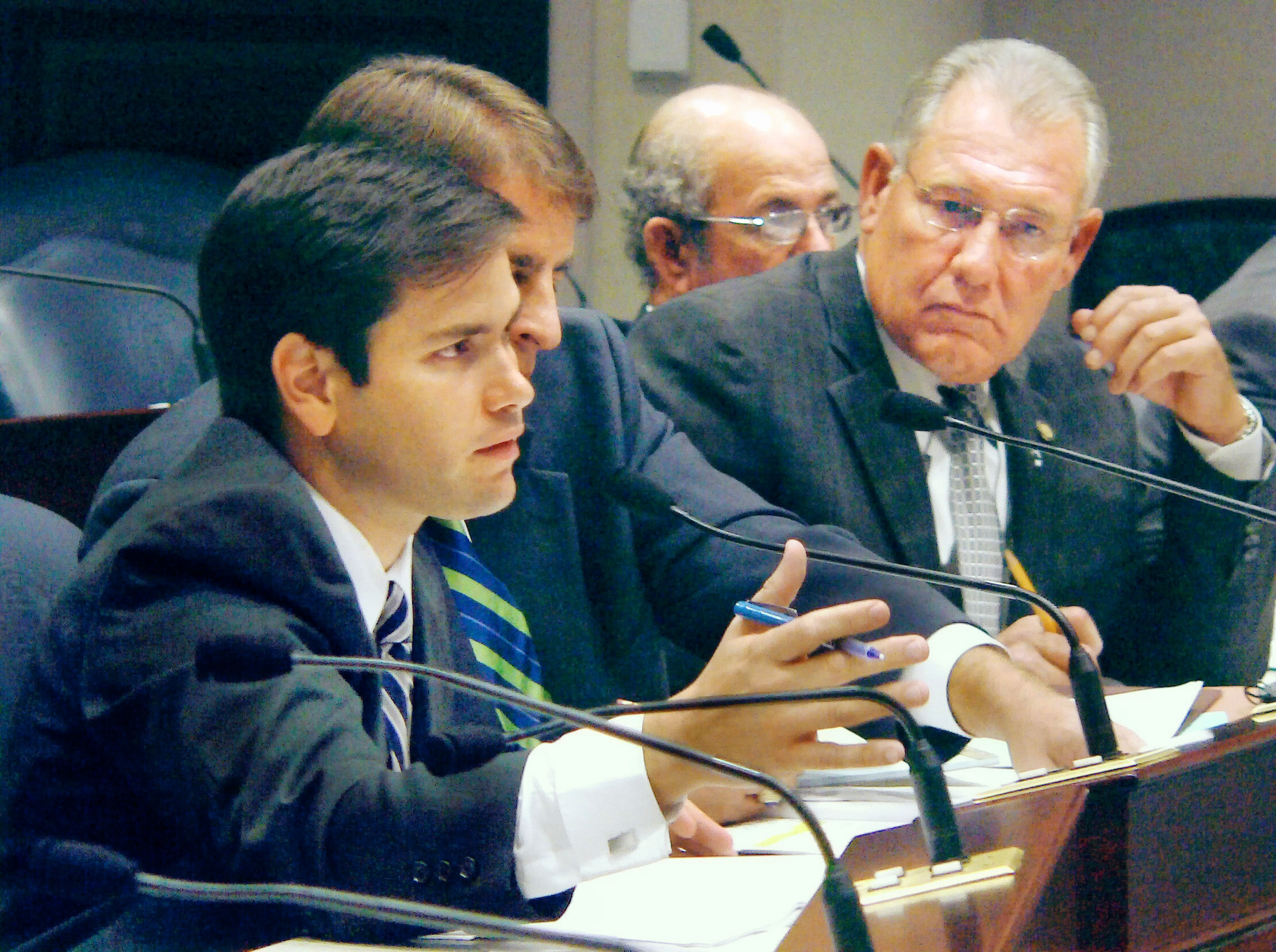
Senator Marco Rubio testified on Tuesday before a House committee regarding the State Department's budget request [1, 2].
The hearing comes as lawmakers seek clarity on the U.S. fiscal approach to foreign policy and the status of diplomatic efforts to end the conflict in Iran [1, 2].
Rubio appeared on Capitol Hill before the House Appropriations Subcommittee [1]. Other reports identified the session as a House Foreign Affairs hearing [2]. This appearance marks the first time Rubio has testified on Capitol Hill since the start of the Iran war [1].
During the proceedings, Rubio addressed the stalled ceasefire negotiations. He said that the U.S. is working toward a resolution despite the current diplomatic deadlock [2].
"We are making progress toward a sustainable ceasefire in Iran, but there is still work to be done," Rubio said [2].
Lawmakers questioned Rubio on the specifics of the State Department's financial requirements and how those funds align with current geopolitical priorities. The discussions focused heavily on the stability of the region, and the viability of renewed diplomacy with Tehran [1, 2].
Rubio expressed a positive outlook regarding the possibility of returning to the negotiating table to address nuclear concerns [1].
"I am optimistic about the potential for a resumption in nuclear talks with Iran," Rubio said [1].
The testimony highlighted the tension between the need for immediate ceasefire funding and the long-term strategic goals of the U.S. government in the Middle East [1, 2].
“"We are making progress toward a sustainable ceasefire in Iran, but there is still work to be done."”
The testimony reflects the critical intersection of budgetary oversight and active conflict management. By linking the State Department's fiscal request to the progress of ceasefire talks, the hearing underscores how U.S. diplomatic leverage in Iran is increasingly tied to specific funding authorizations and the ability to restart nuclear negotiations.


