
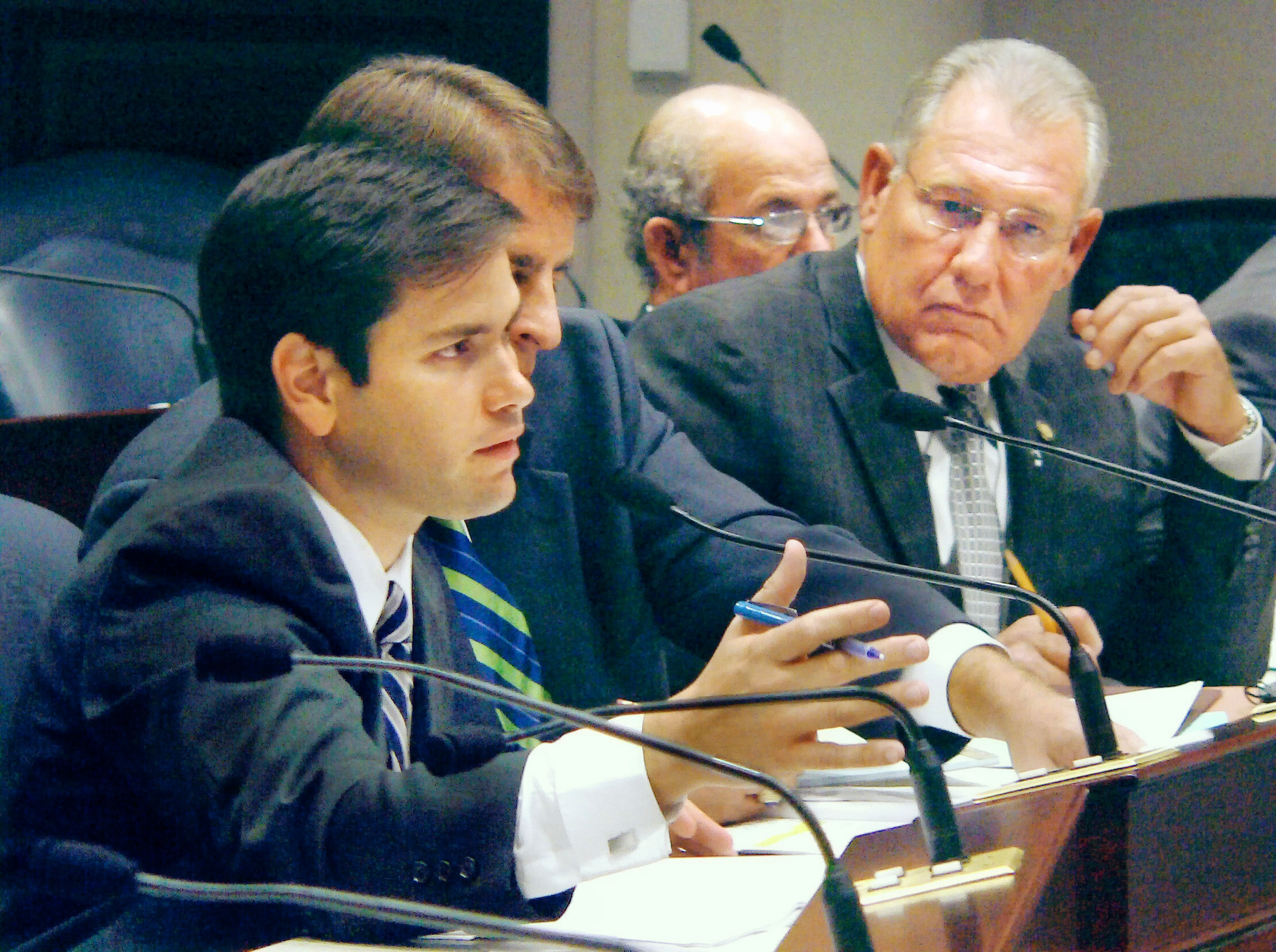
Secretary of State Marco Rubio testified before the House Foreign Affairs Committee on Wednesday, June 3, 2026, regarding the U.S. war in Iran.
The hearing comes as congressional oversight intensifies over U.S. military involvement and the stability of diplomatic efforts. As peace talks continue to falter, the testimony serves as a critical examination of the administration's strategy and the specific demands being placed on Iranian leadership.
During the proceedings in Washington, D.C., the exchange between Rubio and committee members was marked by significant friction. Media coverage of the hearing highlighted five tense moments [1] where the secretary faced sharp questioning over the trajectory of the conflict.
Rubio detailed the current U.S. demands as part of the ongoing effort to navigate the diplomatic stalemate. The testimony occurred amid a broader political climate where the feasibility of a resolution remains a point of contention. The complexity of these negotiations was underscored by a statement from the president, who said, "...a deal with Iran is not a simple thing."
The House Foreign Affairs Committee used the session to probe the effectiveness of current policies and the potential for escalation. Rubio's responses focused on the necessity of maintaining strategic pressure while keeping diplomatic channels open, a balance that remains precarious as the war continues.
“Secretary of State Marco Rubio testified before the House Foreign Affairs Committee on Wednesday, June 3, 2026.”
The friction during Rubio's testimony reflects a growing divide in Washington over the viability of a diplomatic solution to the Iran conflict. By emphasizing that a deal is not simple, the administration is managing expectations for a quick resolution, suggesting that the U.S. may prioritize long-term strategic demands over immediate peace agreements.


