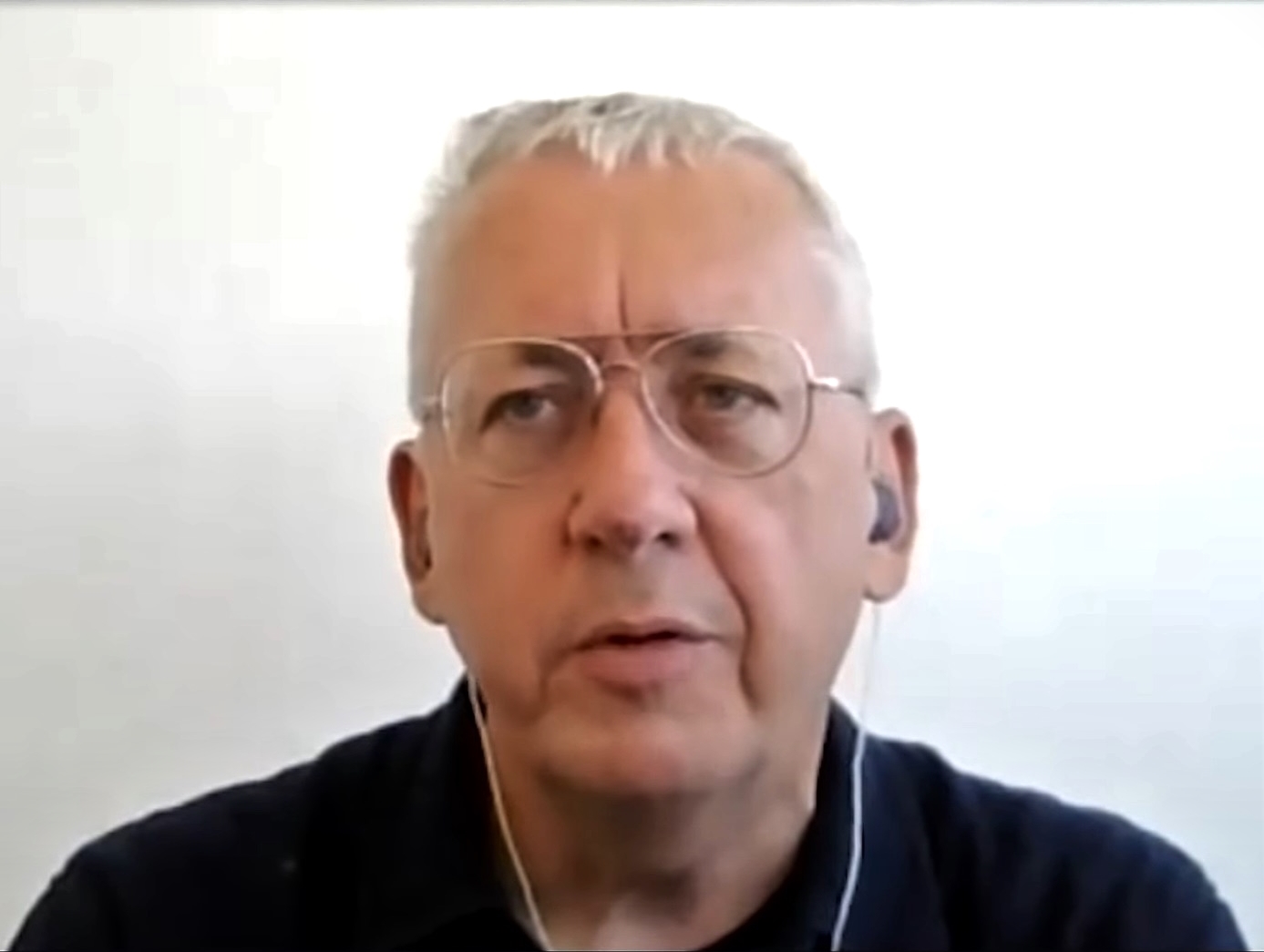
French MP and journalist François Ruffin placed a survival cover on a BFMTV studio set to symbolize the severity of a current heatwave [1].
The stunt highlights the growing tension between political leaders and the reality of extreme weather events in France. As temperatures rise, the visual protest serves as a reminder of the physical danger posed to citizens during prolonged heat events.
Ruffin used the metallic blanket as a visual tool to draw public attention to the extreme temperatures affecting the country [1]. The action occurred within the BFMTV studio in Paris, where the MP sought to illustrate the precarious nature of survival during a climate crisis [1].
The protest coincided with an escalation in official weather alerts. Red-vigilance warnings are set to take effect starting Thursday [1]. These warnings indicate the highest level of risk, requiring citizens to take immediate precautions to avoid heat-related illness or death.
According to official data, 72 French departments have been placed under red vigilance due to the heatwave [1]. This widespread alert system covers a significant portion of the country, signaling a systemic weather event rather than a localized spike in temperature.
Ruffin did not provide a formal statement during the broadcast, but the placement of the cover was described as a symbol of the ongoing heatwave [1]. The gesture underscores a broader trend of political activists using media appearances to force a conversation on environmental urgency.
The red-vigilance status triggers specific government protocols to protect vulnerable populations, including the elderly, and those without air conditioning. With 72 departments affected [1], the scale of the emergency necessitates a coordinated national response to prevent a surge in hospitalizations.
“François Ruffin placed a survival cover on a BFMTV studio set to symbolize the severity of a current heatwave.”
The use of a survival blanket—typically used by emergency responders to prevent hypothermia or shock—as a symbol for a heatwave suggests a framing of the climate crisis as a state of emergency. By targeting a major news network like BFMTV, Ruffin is attempting to bridge the gap between official government warnings and the visceral experience of extreme heat, emphasizing that for many, the heatwave is a matter of survival.