Russian armed forces and Belarusian forces conducted large-scale nuclear readiness drills across Russian territory and Belarus from May 19 to 21, 2024 [4].
The exercises serve as a demonstration of military coordination and nuclear readiness during a period of heightened tensions between Russia, NATO, and Western nations [5].
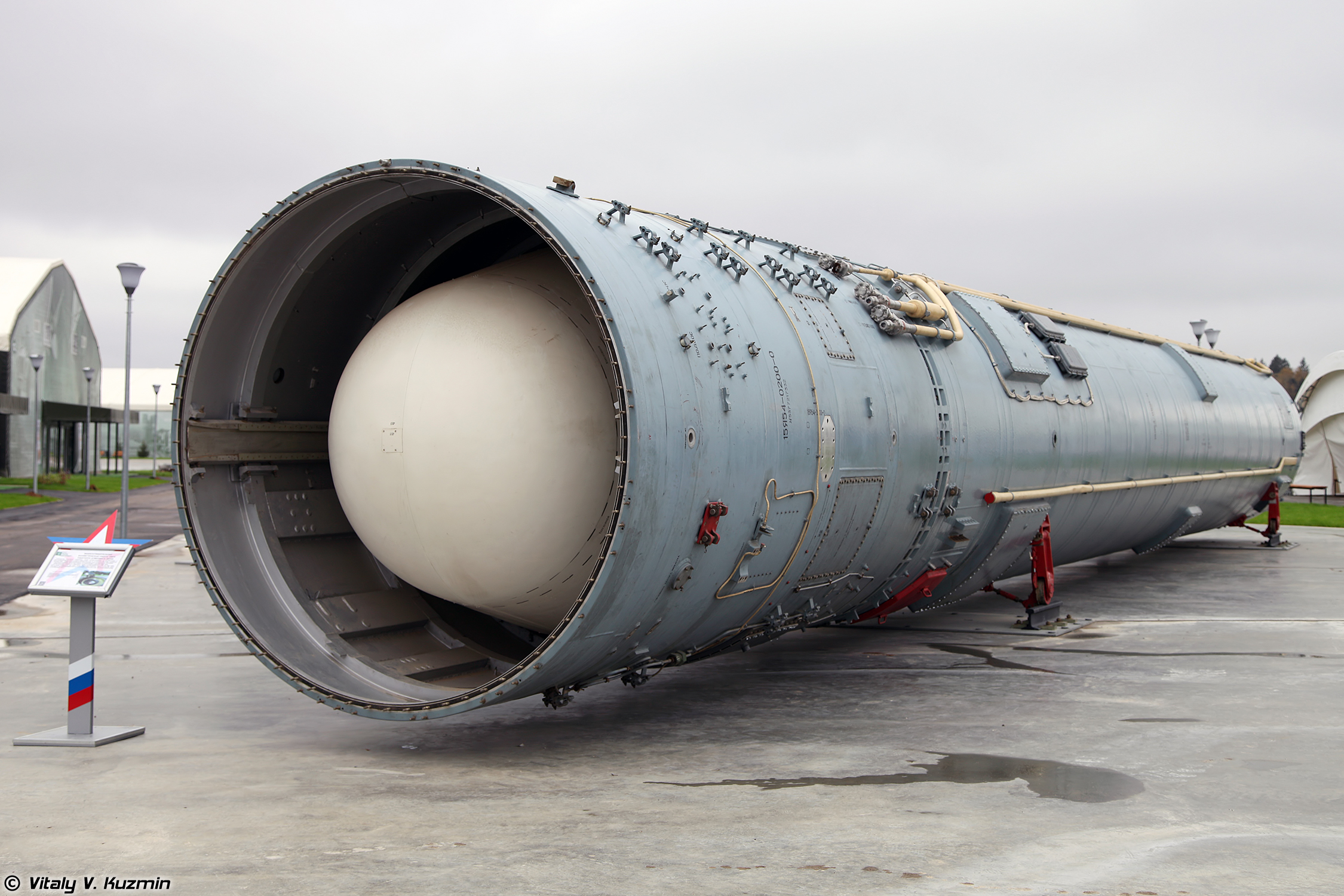
The three-day operation [3] spanned land, sea, and air components. Activities included the transport of intercontinental ballistic missiles and practice launches of nuclear-capable ballistic missiles [1]. The drills also involved the deployment of warplanes and submarines across Arctic and Pacific ports, as well as forest roads near NATO borders [1, 2].
Approximately 64,000 troops participated in the maneuvers [6]. The exercises utilized nearly 200 missile launchers to test the operational capacity of the Russian nuclear triad [6].
Russian officials said the drills were designed to verify the readiness of the forces to perform tasks in the event of a nuclear conflict. The coordination involved both Russian and Belarusian airspace and territorial assets [1, 2].
These maneuvers occurred as Ukraine has increased its drone attacks against Russian targets [2]. The scale of the exercises, integrating multiple branches of the military, highlights the strategic focus on deterrent capabilities in the European theater [1, 2].
“Russia carried out nuclear readiness exercises involving land, sea, and air forces.”
The synchronization of nuclear-capable assets across the Arctic, Pacific, and Belarusian borders signals a strategic effort to project power across multiple fronts. By integrating Belarusian forces and practicing the movement of intercontinental ballistic missiles, Russia is testing its ability to mobilize its nuclear triad rapidly, which serves as a high-visibility deterrent to NATO members during the ongoing conflict in Ukraine.


