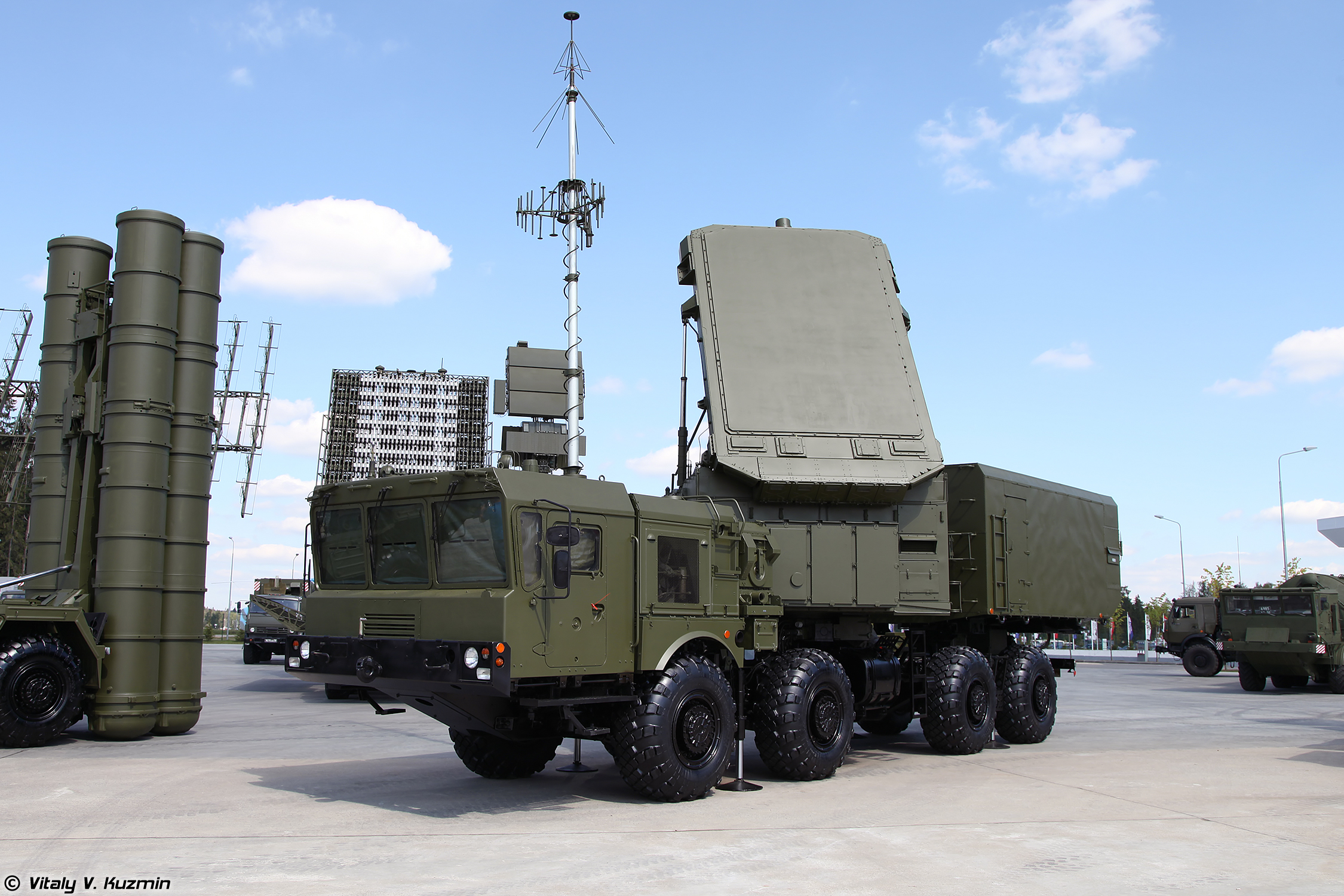
Russia's S-400 Triumf air defence system employs a layered network of radars and command centres to detect aerial threats before they launch [1, 2].
The system's ability to prioritize targets in real time represents a significant challenge for NATO planners. Because the network can identify low-flying and stealth targets, it forces opposing forces to develop complex suppression strategies to maintain air superiority over Eastern Europe [1, 2].
The S-400 operates as an integrated web of powerful radars, mobile command centres, and precision engagement systems [1, 2]. This architecture allows the system to scan for a wide variety of threats, including aircraft, drones, cruise missiles, and ballistic missiles, and relay that data to a central command post for analysis [1, 2].
By detecting threats early in their flight or launch cycle, the Triumf system strengthens Russia's overall air-defence coverage [1, 2]. The system is specifically designed to counter electronically jamming targets and those utilizing stealth technology to avoid traditional radar detection [1, 2].
NATO war-games frequently categorize the S-400 as a top threat due to its range and precision [1, 2]. The integration of mobile command units allows the system to shift positions, making it harder for opposing aircraft to neutralize the network through preemptive strikes [1, 2].
Strategic analysts said that the effectiveness of the S-400 depends on the seamless relay of information between the scanning radars and the engagement units [1, 2]. If the communication link to the command post is severed, the ability to prioritize and engage multiple incoming targets simultaneously is diminished [1, 2].
“The S-400 operates as an integrated web of powerful radars, mobile command centres, and precision engagement systems.”
The S-400 Triumf shifts the tactical balance in Eastern Europe by denying easy access to contested airspace. By integrating early detection with mobile command and control, Russia creates a 'bubble' of denial that forces NATO to rely on advanced electronic warfare and stealth penetration to operate, rather than traditional air superiority tactics.