
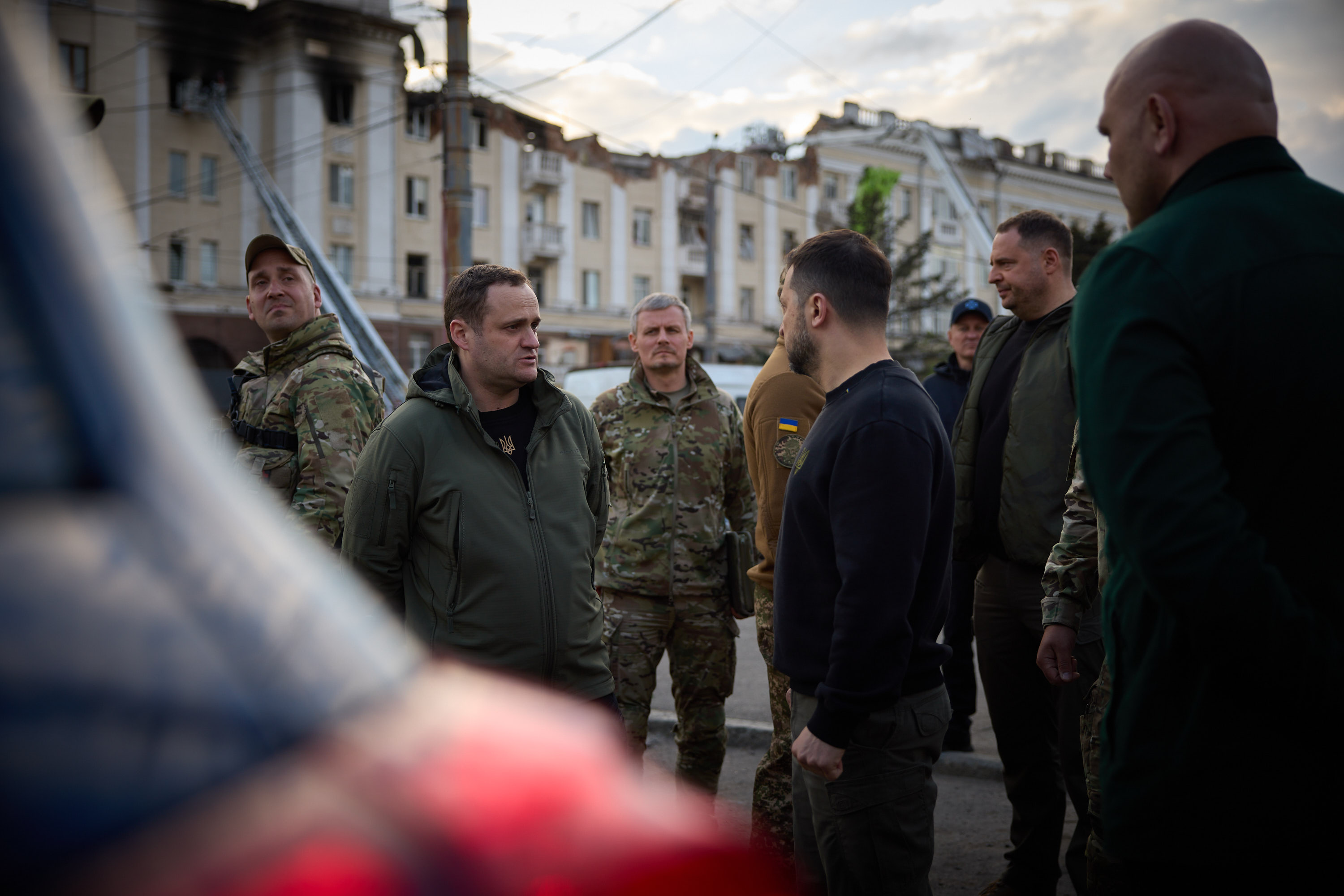
Russia launched a series of intensified missile and drone strikes against Ukrainian energy infrastructure between August and December 2025 [1].
These attacks target the nation's power grid to disrupt essential services and create instability. By disabling energy hubs, the strikes force civilian populations to endure blackouts and extreme conditions, increasing the humanitarian pressure on the Ukrainian government.
In August 2025, strikes on Kyiv resulted in 23 deaths [4]. The campaign continued into the autumn, with Svitlana Grintchouk reporting that Russia launched another massive attack using missiles and drones against the energy sector on Oct. 30, 2025 [2].
President Volodymyr Zelensky said that Moscow wants to sow chaos by targeting the country's energy sources [5]. The strikes caused significant power outages across the region, which persisted into the winter months. On Dec. 23, 2025, further attacks on the energy sector killed three people [3].
The conflict also extended beyond Ukrainian borders. Romania, a NATO member, reported that one Russian drone violated its airspace during the strikes on Ukraine [6].
Analyses of the strategy vary. Radio-Canada reported that Moscow may be acting out of military desperation due to its stagnation on the battlefield, using the strikes to force Ukraine to accept Russian peace conditions [1]. Other reports emphasize the intent to destabilize the country before the onset of winter [5].
Regarding the international response, Karoline Leavitt said that Donald Trump was not happy, but not surprised, by the bombardments in August 2025 [4].
“Moscou veut semer le chaos en ciblant notre énergie.”
The systematic targeting of energy infrastructure suggests a shift toward attrition warfare designed to break civilian morale and state capacity. By timing these strikes to precede winter, Russia leverages environmental hardship as a tactical tool to pressure the Ukrainian leadership into diplomatic concessions.


