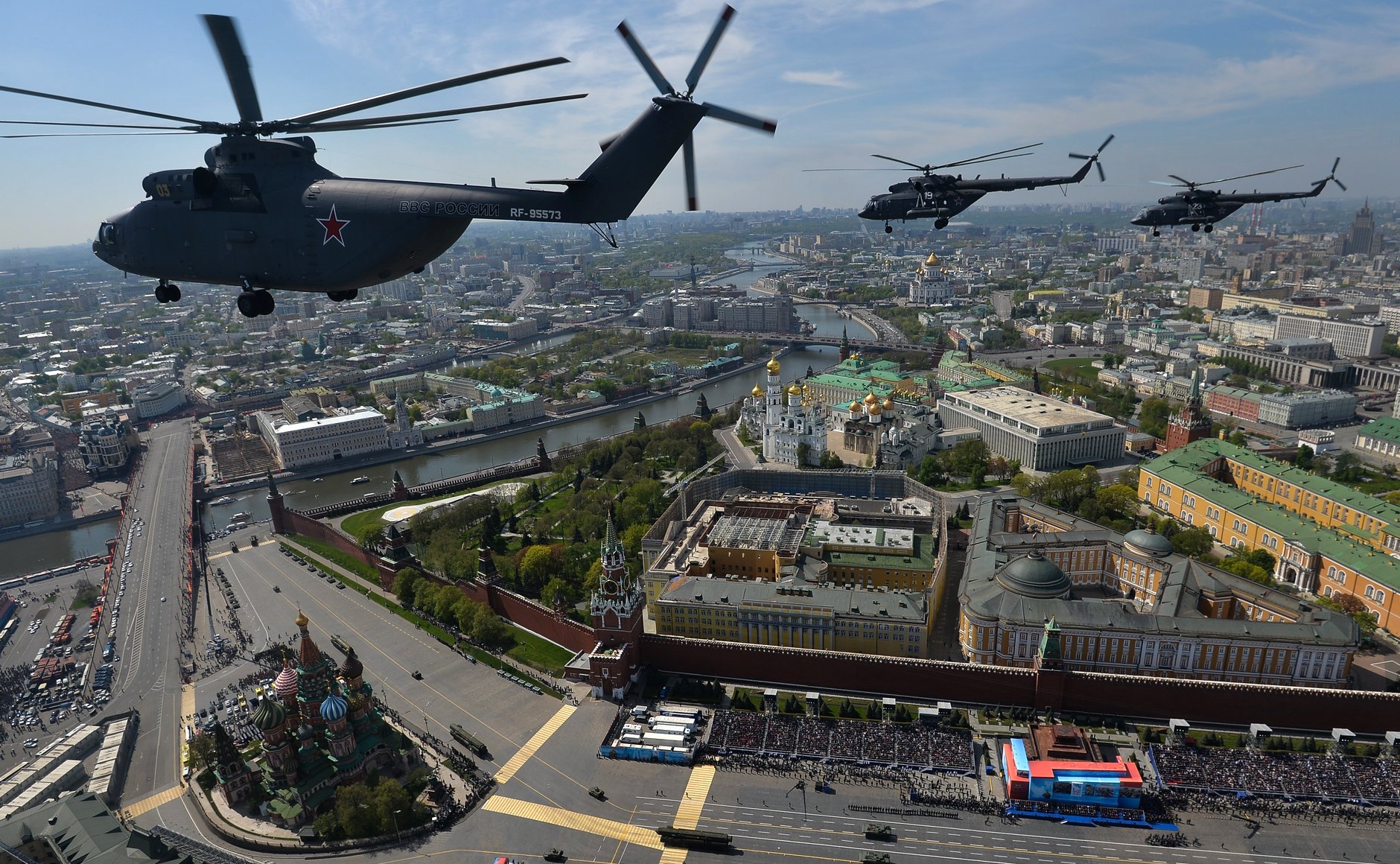
President Vladimir Putin presided over a scaled-down Victory Day parade on Red Square in Moscow on May 9, 2026 [3].
The absence of heavy military hardware marks a significant shift in how Russia projects power during its most important patriotic holiday. This reduction comes as the Kremlin balances traditional celebrations with the operational realities of the ongoing conflict in Ukraine.
Security concerns and the requirements of the war in Ukraine led to a ceremony featuring zero tanks and missiles [1]. This is the first time since 2007 that the parade has lacked such weaponry [2]. The gap represents a period of approximately 20 years [5] during which the Russian state typically used the event to showcase its latest military technology to domestic and international audiences.
The event commemorates the defeat of Nazi Germany in World War II [6]. Despite the missing hardware, the ceremony remained a central pillar of the state's ideological calendar, with Putin and visiting foreign dignitaries attending the proceedings [7].
The scaled-back nature of the event occurs four years after Russia launched its war on Ukraine [4]. In previous years, the Red Square parade served as a primary venue for flaunting military might and daring NATO allies. The current iteration, however, reflects a more cautious approach to public military displays amid deepened worries over the conflict's trajectory [8].
Officials have not provided a detailed public explanation for the hardware omission, but the shift aligns with broader security measures implemented across the capital during the holiday period [7].
“Russia's May 9 Victory Day parade will show zero tanks or missiles for the first time since 2007.”
The decision to omit tanks and missiles from the 2026 Victory Day parade suggests a prioritization of operational security over political theater. By avoiding the public display of strategic assets, the Kremlin may be attempting to shield current military capabilities from intelligence gathering or acknowledging that such hardware is more valuable on the front lines in Ukraine than on the streets of Moscow.


