
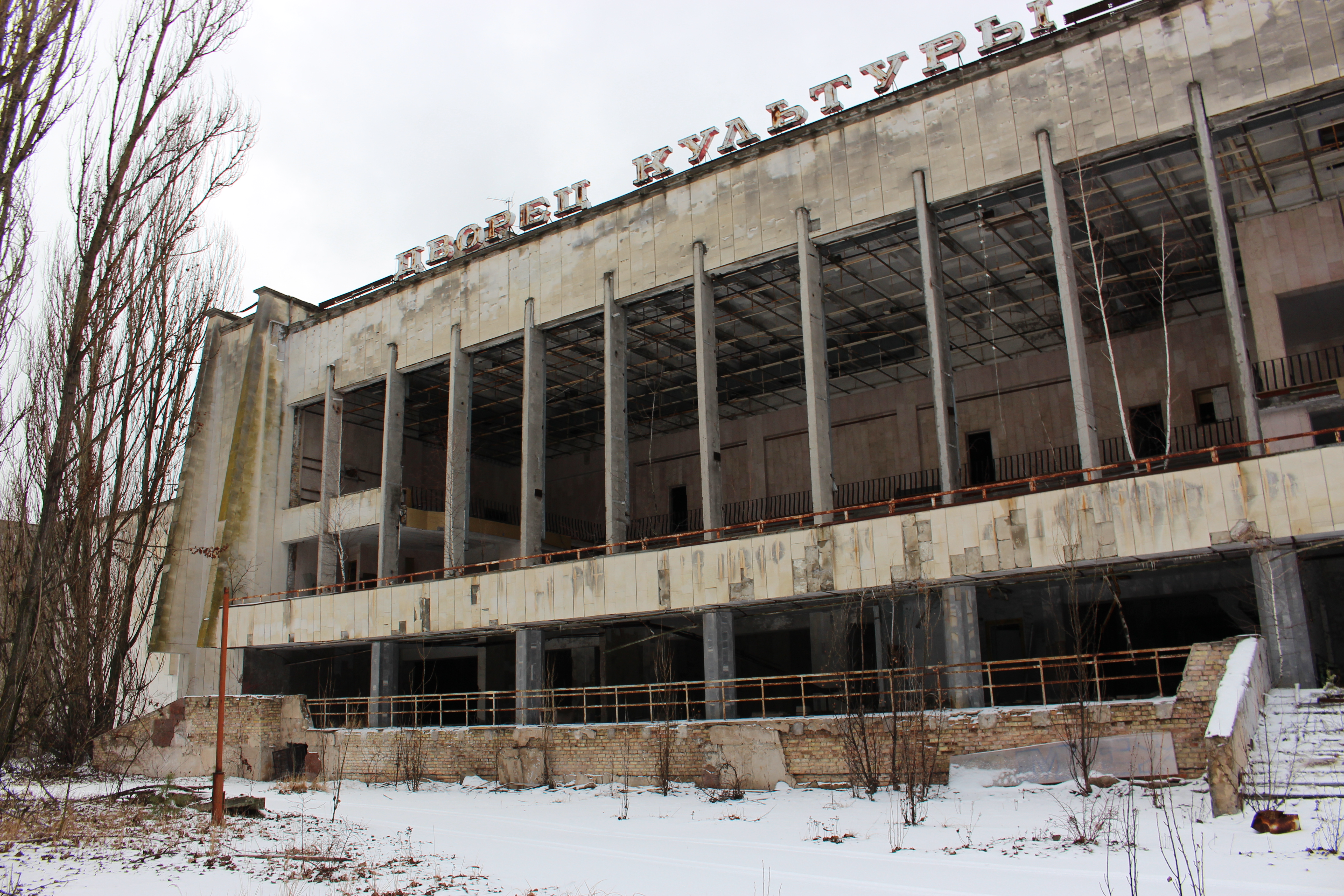
A Russian drone struck a spent nuclear fuel storage facility near the Chernobyl nuclear power plant on June 7, 2026 [1].
The attack targets a high-risk site containing radioactive materials, raising fears of environmental catastrophe and escalating tensions over the use of nuclear infrastructure as a theater of war.
The incident occurred during a broader offensive in which Russia launched 155 drones into Ukraine [2]. Ukrainian officials said the strike damaged the storage site and killed three people at a bus stop in southeastern Ukraine [3].
President Volodymyr Zelensky said he condemned the attack, though he noted that radiation levels remain stable [4]. Kyiv officials are now calling for an international investigation into the incident, which they have characterized as a case of "nuclear terrorism" [5].
The facility hit was used for the storage of spent nuclear fuel, materials that remain hazardous long after their use in power generation. While the immediate casualties were limited to the three deaths reported by officials [3], the proximity to the Chernobyl site adds a layer of volatility to the strike.
Russian forces have frequently used drone swarms to target Ukrainian infrastructure, but the targeting of nuclear storage represents a significant escalation in the conflict's risk profile. Ukrainian officials said the damage to the facility is being monitored to ensure no leaks occur [3].
“Kyiv is calling for an international investigation after a drone allegedly struck a spent nuclear fuel facility.”
The targeting of a spent fuel facility near Chernobyl increases the risk of a radiological incident that could have transboundary effects. By striking nuclear infrastructure, the conflict moves closer to a potential environmental disaster, prompting Ukraine to seek international legal and investigative intervention to categorize the act as nuclear terrorism.


