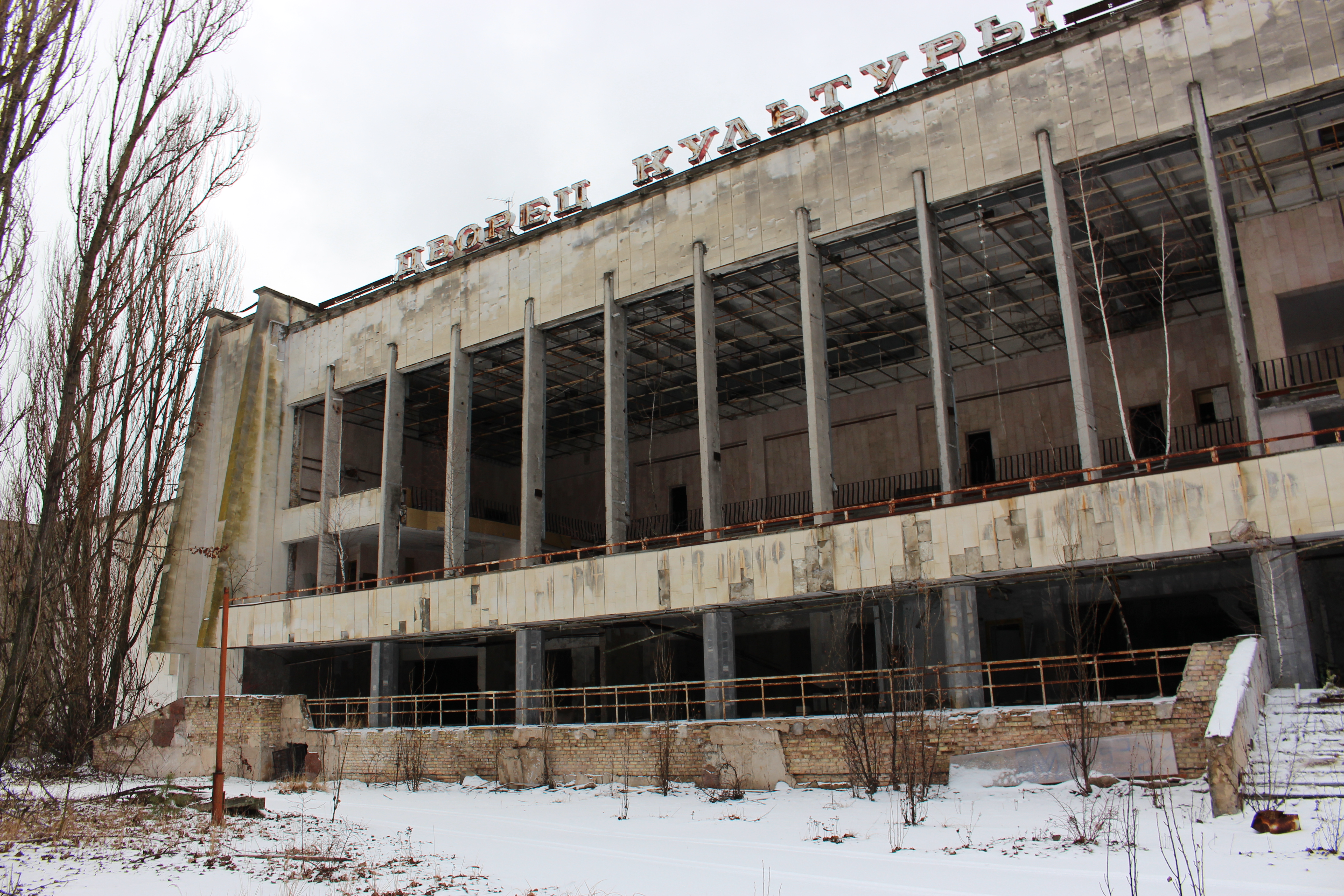
Russian forces are causing new damage within the Chernobyl Exclusion Zone as part of the ongoing conflict in Ukraine [1].
The degradation of this highly radioactive area increases the risk of environmental contamination. Because the zone contains hazardous materials from the 1986 nuclear disaster, military movement and combat operations can disturb contaminated soil and debris.
Activity in the region is linked to broader military operations associated with the Russia-Ukraine war [1]. The Exclusion Zone remains one of the most radioactive places on earth, making any physical disruption to the land a potential public health risk.
While the area is largely uninhabited, the movement of heavy machinery and the establishment of military positions can spread radioactive particles beyond their original containment areas. This process creates new ecological scars in a region already struggling with the legacy of nuclear failure [1].
International observers have monitored the impact of the conflict on critical infrastructure throughout Ukraine. The Chernobyl site is particularly sensitive due to the volatility of its radioactive waste, and the complexity of its containment structures.
Russian military presence in the zone has historically complicated the efforts of Ukrainian technicians and international experts to maintain the site's safety. The current damage underscores the vulnerability of nuclear sites during active warfare, a concern that has persisted since the early stages of the invasion.
“Russian forces are causing new damage within the Chernobyl Exclusion Zone.”
The physical disruption of the Chernobyl Exclusion Zone by military forces risks the remobilization of radioactive isotopes. When contaminated soil is disturbed by heavy equipment or shelling, it can lead to the airborne dispersal of particles, potentially expanding the contaminated perimeter and complicating long-term decommissioning efforts.
'%2F%3E%0A%20%20%20%20%3Crect%20width%3D'1600'%20height%3D'900'%20fill%3D'url(%23v)'%2F%3E%0A%20%20%20%20%3Cg%20opacity%3D'0.08'%20fill%3D'%23ffffff'%3E%0A%20%20%20%20%20%20%3Ccircle%20cx%3D'1420'%20cy%3D'180'%20r%3D'220'%2F%3E%0A%20%20%20%20%20%20%3Ccircle%20cx%3D'1500'%20cy%3D'760'%20r%3D'120'%2F%3E%0A%20%20%20%20%3C%2Fg%3E%0A%20%20%20%20%3Cline%20x1%3D'80'%20y1%3D'172'%20x2%3D'220'%20y2%3D'172'%20stroke%3D'%23ffffff'%20stroke-width%3D'3'%20stroke-opacity%3D'0.6'%2F%3E%0A%20%20%20%20%3Ctext%20x%3D'80'%20y%3D'140'%20font-family%3D'Inter%2C%20-apple-system%2C%20Helvetica%2C%20sans-serif'%20font-weight%3D'700'%20font-size%3D'28'%20fill%3D'%23ffffff'%20letter-spacing%3D'6'%3EHANNA%20%C2%B7%20NEWS%3C%2Ftext%3E%0A%20%20%20%20%3Ctext%20x%3D'80'%20y%3D'230'%20font-family%3D'Inter%2C%20-apple-system%2C%20Helvetica%2C%20sans-serif'%20font-weight%3D'600'%20font-size%3D'40'%20fill%3D'%23ffffffb3'%20letter-spacing%3D'4'%3ESCIENCE%3C%2Ftext%3E%0A%20%20%20%20%3Ctext%20x%3D'80'%20y%3D'622'%20font-family%3D'Playfair%20Display%2C%20Georgia%2C%20serif'%20font-weight%3D'800'%20font-size%3D'86'%20fill%3D'%23ffffff'%20letter-spacing%3D'-1'%3ECleveland%20Clinic%20Highlights%3C%2Ftext%3E%3Ctext%20x%3D'80'%20y%3D'721'%20font-family%3D'Playfair%20Display%2C%20Georgia%2C%20serif'%20font-weight%3D'800'%20font-size%3D'86'%20fill%3D'%23ffffff'%20letter-spacing%3D'-1'%3ELung%20Cancer%20Screening%3C%2Ftext%3E%3Ctext%20x%3D'80'%20y%3D'820'%20font-family%3D'Playfair%20Display%2C%20Georgia%2C%20serif'%20font-weight%3D'800'%20font-size%3D'86'%20fill%3D'%23ffffff'%20letter-spacing%3D'-1'%3EServices%3C%2Ftext%3E%0A%20%20%20%20%3Ctext%20x%3D'80'%20y%3D'870'%20font-family%3D'Inter%2C%20-apple-system%2C%20Helvetica%2C%20sans-serif'%20font-weight%3D'500'%20font-size%3D'22'%20fill%3D'%23ffffff66'%20letter-spacing%3D'2'%3Enews.hanna-ai.com%3C%2Ftext%3E%0A%20%20%3C%2Fsvg%3E)

