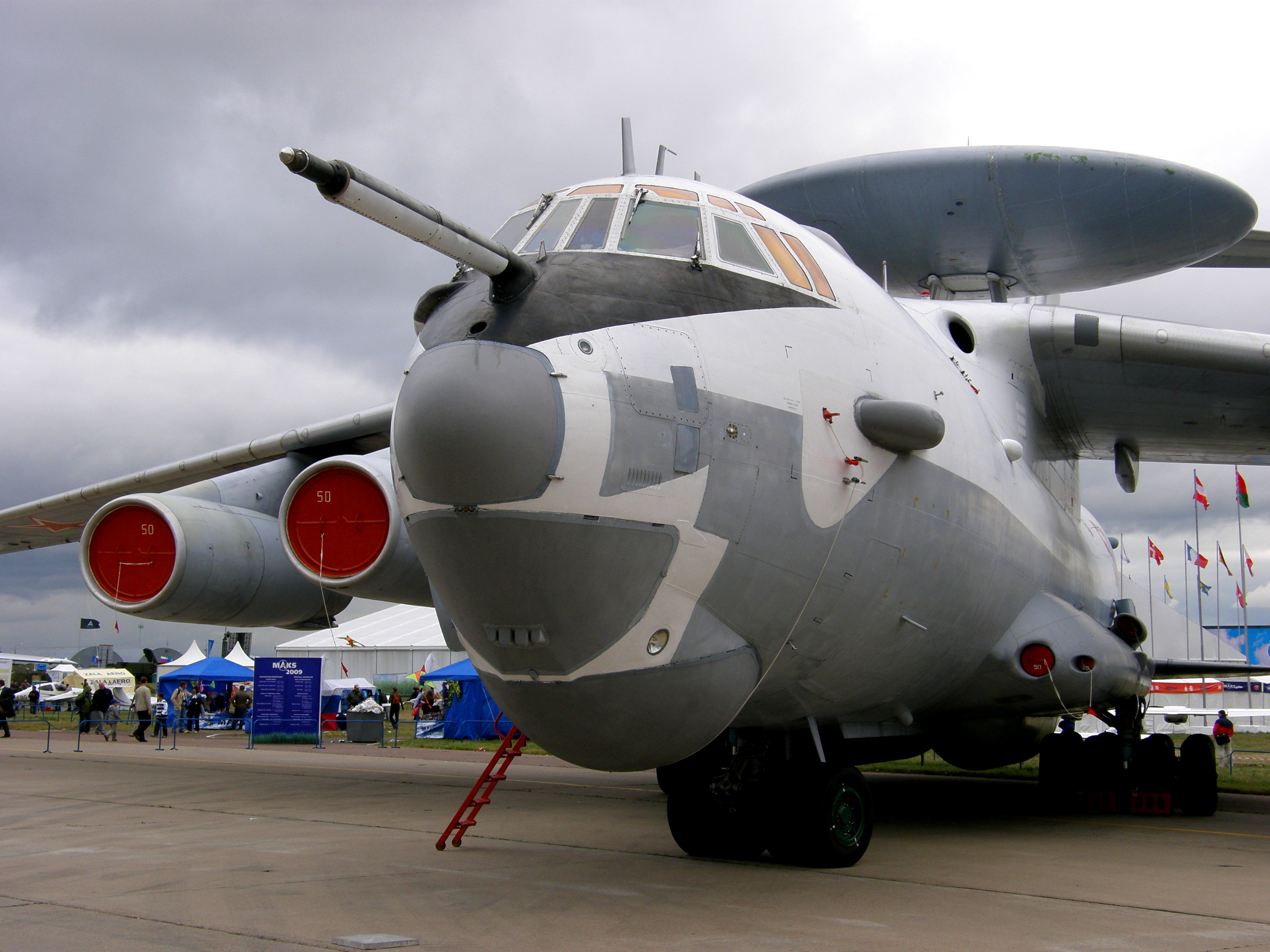
Two Russian fighter jets nearly collided with a Royal Air Force Rivet Joint surveillance aircraft over the Black Sea on May 20, 2024 [1, 2, 3].
The incident underscores the escalating tension between NATO and Russian forces in contested airspace, where aggressive intercepts risk accidental kinetic conflict.
According to reports, the two [2] Russian fighter jets intercepted the UK aircraft while it was conducting a NATO-linked reconnaissance mission [3, 4]. At the closest point of the encounter, the jets flew within six meters [1] of the surveillance plane.
The proximity of the Russian aircraft triggered onboard emergency warning systems [1, 2]. The intercept was so severe that it disabled the Rivet Joint's autopilot [2].
UK officials said the maneuver was reckless and irresponsible [4]. Despite the near-collision, the RAF aircraft completed its flight safely [5].
The Black Sea region has become a frequent site of such aerial encounters as NATO monitors Russian military movements. This specific intercept follows a pattern of high-risk behavior by Russian pilots toward allied intelligence-gathering assets.
“The Russian jets intercepted the RAF plane, flying within six meters.”
This encounter demonstrates the high level of risk associated with intelligence, surveillance, and reconnaissance (ISR) missions in the Black Sea. By flying within six meters of a non-combatant surveillance aircraft, Russia is utilizing 'grey zone' tactics to signal deterrence and intimidate NATO allies without crossing the threshold into open warfare.


