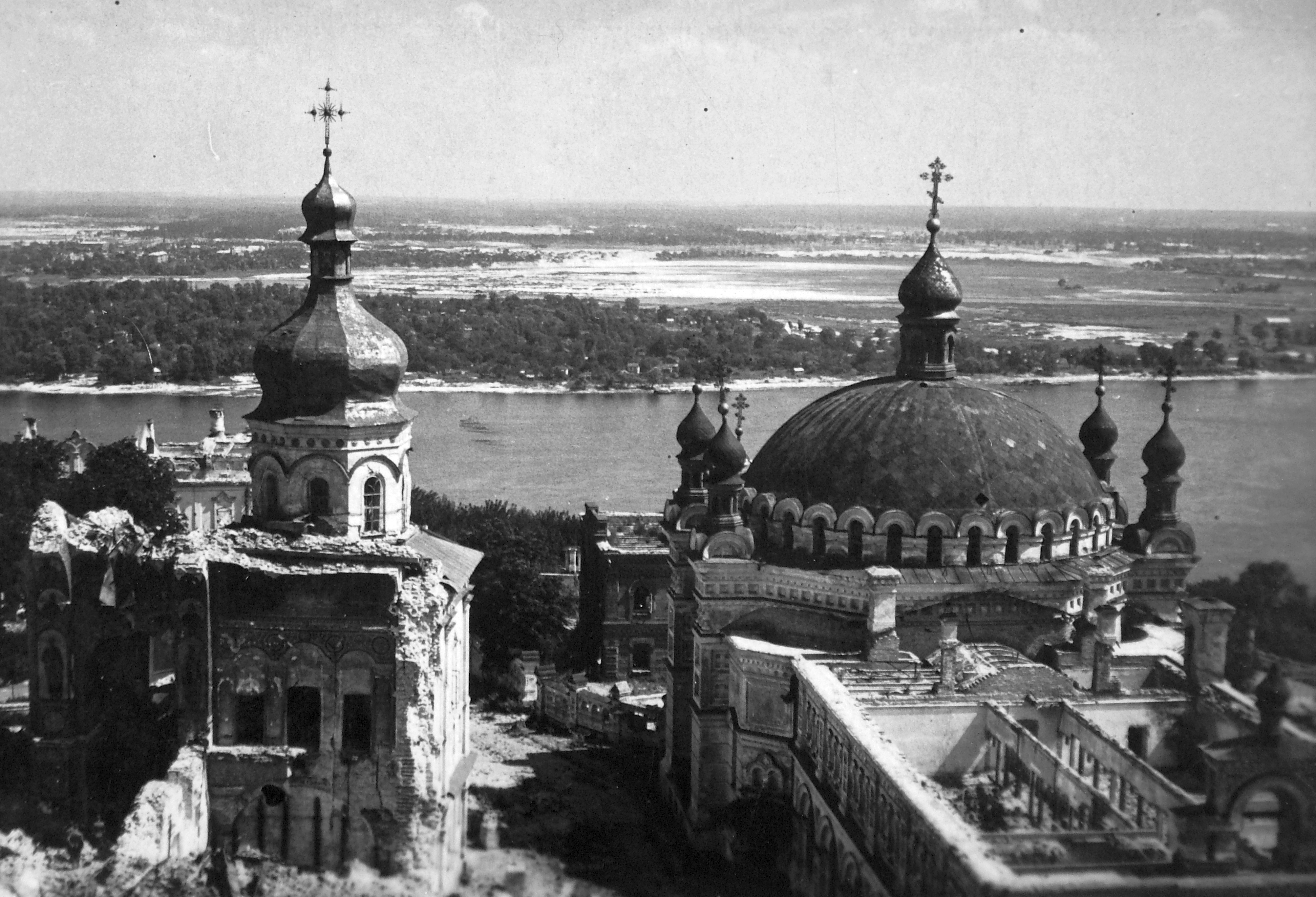
Russian forces launched a drone and missile attack on the Kyiv-Pechersk Lavra monastery complex overnight on Monday, June 14, 2026 [1].
The strike targeted one of Ukraine's most significant spiritual and cultural landmarks, signaling a potential escalation in the targeting of non-military heritage sites. The Kyiv-Pechersk Lavra is a UNESCO-listed Orthodox monastery that serves as a cornerstone of Ukrainian identity.
The nighttime assault ignited fires across the complex and caused damage to the Dormition Cathedral and other structures [2]. The attack resulted in five deaths and 35 injuries within the Kyiv strike zone [3]. Across Ukraine, the total death toll from the same night of attacks reached 11 people [4].
President Volodymyr Zelenskyy condemned the strike, describing it as a deliberate attempt by Russia to destroy Ukrainian cultural and Christian heritage [1]. He said the attack was "one of Russia's most serious crimes against Christian culture to date" [5].
Emergency crews worked throughout the morning to extinguish the fires and assess the structural integrity of the monastery's ancient walls. The monastery has faced long-term pressure from various sources, but this direct missile and drone strike represents a severe physical blow to the site [6].
Ukrainian officials have not yet released a full inventory of the damaged artifacts, or the total cost of the reconstruction. The international community has previously warned against the destruction of cultural property during the conflict, yet strikes on religious sites have continued.
“One of Russia's most serious crimes against Christian culture to date.”
The targeting of the Kyiv-Pechersk Lavra represents a shift toward the systematic destruction of cultural and religious symbols. By striking a UNESCO-listed site, Russia risks further international condemnation and potential legal ramifications under international laws protecting cultural heritage during wartime.

'%2F%3E%0A%20%20%20%20%3Crect%20width%3D'1600'%20height%3D'900'%20fill%3D'url(%23v)'%2F%3E%0A%20%20%20%20%3Cg%20opacity%3D'0.08'%20fill%3D'%23ffffff'%3E%0A%20%20%20%20%20%20%3Ccircle%20cx%3D'1420'%20cy%3D'180'%20r%3D'220'%2F%3E%0A%20%20%20%20%20%20%3Ccircle%20cx%3D'1500'%20cy%3D'760'%20r%3D'120'%2F%3E%0A%20%20%20%20%3C%2Fg%3E%0A%20%20%20%20%3Cline%20x1%3D'80'%20y1%3D'172'%20x2%3D'220'%20y2%3D'172'%20stroke%3D'%23ffffff'%20stroke-width%3D'3'%20stroke-opacity%3D'0.6'%2F%3E%0A%20%20%20%20%3Ctext%20x%3D'80'%20y%3D'140'%20font-family%3D'Inter%2C%20-apple-system%2C%20Helvetica%2C%20sans-serif'%20font-weight%3D'700'%20font-size%3D'28'%20fill%3D'%23ffffff'%20letter-spacing%3D'6'%3EHANNA%20%C2%B7%20NEWS%3C%2Ftext%3E%0A%20%20%20%20%3Ctext%20x%3D'80'%20y%3D'230'%20font-family%3D'Inter%2C%20-apple-system%2C%20Helvetica%2C%20sans-serif'%20font-weight%3D'600'%20font-size%3D'40'%20fill%3D'%23ffffffb3'%20letter-spacing%3D'4'%3EWORLD%3C%2Ftext%3E%0A%20%20%20%20%3Ctext%20x%3D'80'%20y%3D'622'%20font-family%3D'Playfair%20Display%2C%20Georgia%2C%20serif'%20font-weight%3D'800'%20font-size%3D'86'%20fill%3D'%23ffffff'%20letter-spacing%3D'-1'%3ELarge%20Fire%20Breaks%20Out%20at%3C%2Ftext%3E%3Ctext%20x%3D'80'%20y%3D'721'%20font-family%3D'Playfair%20Display%2C%20Georgia%2C%20serif'%20font-weight%3D'800'%20font-size%3D'86'%20fill%3D'%23ffffff'%20letter-spacing%3D'-1'%3EIncheon%20Machine%3C%2Ftext%3E%3Ctext%20x%3D'80'%20y%3D'820'%20font-family%3D'Playfair%20Display%2C%20Georgia%2C%20serif'%20font-weight%3D'800'%20font-size%3D'86'%20fill%3D'%23ffffff'%20letter-spacing%3D'-1'%3EManufacturing%20Plant%3C%2Ftext%3E%0A%20%20%20%20%3Ctext%20x%3D'80'%20y%3D'870'%20font-family%3D'Inter%2C%20-apple-system%2C%20Helvetica%2C%20sans-serif'%20font-weight%3D'500'%20font-size%3D'22'%20fill%3D'%23ffffff66'%20letter-spacing%3D'2'%3Enews.hanna-ai.com%3C%2Ftext%3E%0A%20%20%3C%2Fsvg%3E)
