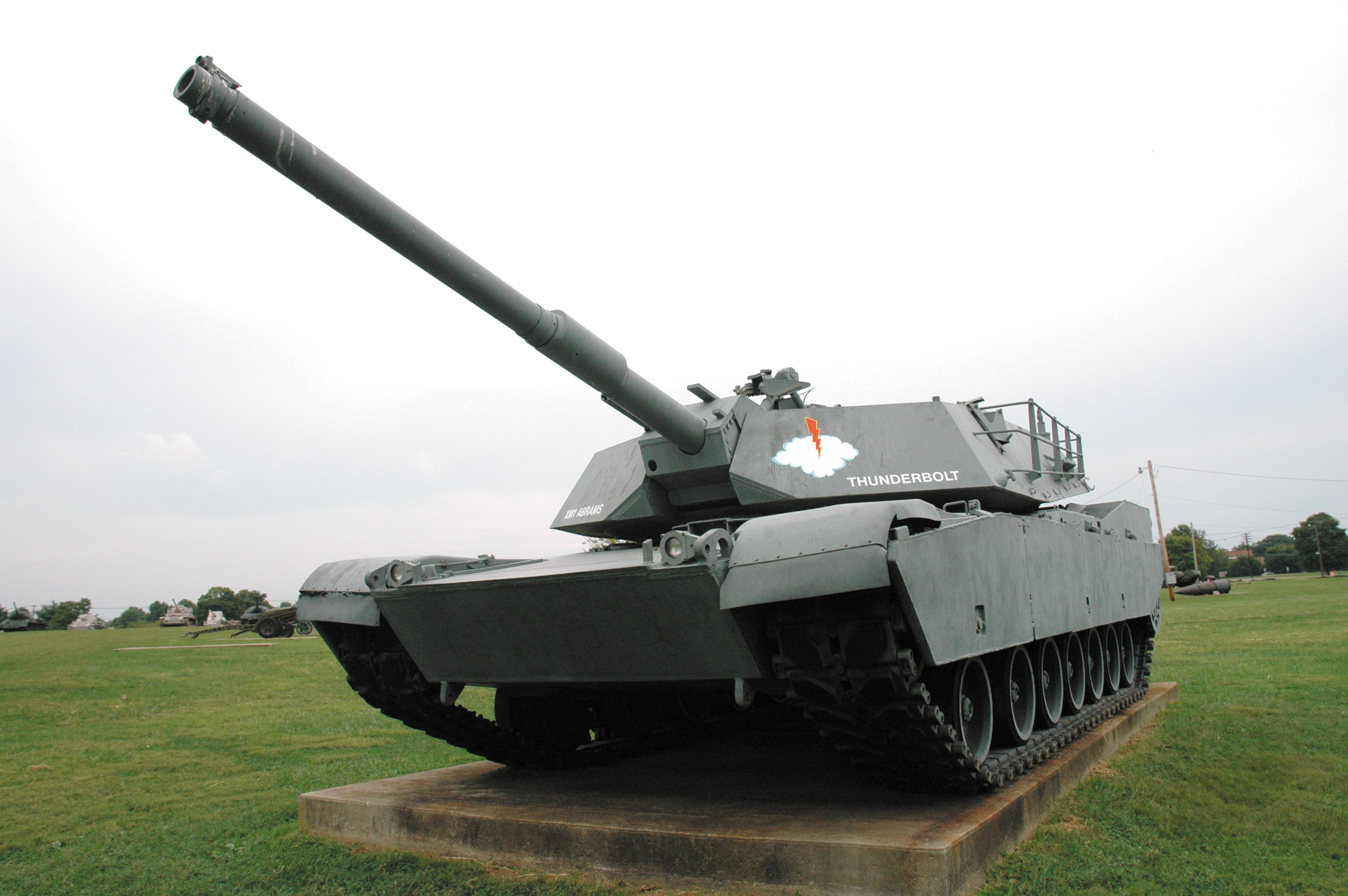
Russian main battle tanks are designed with a lower profile and lighter weight than the U.S. M1 Abrams [1].
These engineering choices reflect divergent military philosophies regarding battlefield survivability and logistics. While the U.S. emphasizes heavy armor and crew protection, Russian design prioritizes mobility and the ability to deploy mass quantities of armor across specific geographic constraints [1, 2].
Russian tanks, such as the T-72 and T-90, are built shorter to reduce their visibility to enemy forces on the battlefield [1]. This low profile makes them harder to detect and target. To achieve this compact size, Russian engineers utilize automatic loaders rather than manual loading systems, which allows for a smaller turret and a reduced crew complement [1, 2].
Weight is another critical factor in the design of Russian armor. The lighter build is intended to ensure that tanks can operate on the softer terrain common in Eastern Europe without sinking [1]. Furthermore, these weight limits are dictated by the infrastructure of the region, specifically the load-bearing capacities of bridges and the constraints of railway transport [1].
In contrast, the M1 Abrams is significantly larger and heavier. This design allows for thicker armor plating and more internal space for the crew, but it creates challenges when moving through areas with restrictive bridge weights or limited rail access [2].
By focusing on compact engineering, Russia aims to maintain a high level of operational flexibility [1]. The ability to move armor quickly via rail and deploy it across varied landscapes is viewed as a primary strategic advantage over heavier Western counterparts [1, 2].
“Russian tanks are built shorter to reduce their visibility to enemy forces on the battlefield”
The disparity in tank design highlights a fundamental strategic divide between Western and Russian military doctrine. The U.S. approach emphasizes individual vehicle survivability and crew endurance, whereas the Russian approach views the tank as a more expendable, highly mobile unit designed to integrate with the specific logistical limitations of the Eurasian landmass.

'%2F%3E%0A%20%20%20%20%3Crect%20width%3D'1600'%20height%3D'900'%20fill%3D'url(%23v)'%2F%3E%0A%20%20%20%20%3Cg%20opacity%3D'0.08'%20fill%3D'%23ffffff'%3E%0A%20%20%20%20%20%20%3Ccircle%20cx%3D'1420'%20cy%3D'180'%20r%3D'220'%2F%3E%0A%20%20%20%20%20%20%3Ccircle%20cx%3D'1500'%20cy%3D'760'%20r%3D'120'%2F%3E%0A%20%20%20%20%3C%2Fg%3E%0A%20%20%20%20%3Cline%20x1%3D'80'%20y1%3D'172'%20x2%3D'220'%20y2%3D'172'%20stroke%3D'%23ffffff'%20stroke-width%3D'3'%20stroke-opacity%3D'0.6'%2F%3E%0A%20%20%20%20%3Ctext%20x%3D'80'%20y%3D'140'%20font-family%3D'Inter%2C%20-apple-system%2C%20Helvetica%2C%20sans-serif'%20font-weight%3D'700'%20font-size%3D'28'%20fill%3D'%23ffffff'%20letter-spacing%3D'6'%3EHANNA%20%C2%B7%20NEWS%3C%2Ftext%3E%0A%20%20%20%20%3Ctext%20x%3D'80'%20y%3D'230'%20font-family%3D'Inter%2C%20-apple-system%2C%20Helvetica%2C%20sans-serif'%20font-weight%3D'600'%20font-size%3D'40'%20fill%3D'%23ffffffb3'%20letter-spacing%3D'4'%3EWORLD%3C%2Ftext%3E%0A%20%20%20%20%3Ctext%20x%3D'80'%20y%3D'622'%20font-family%3D'Playfair%20Display%2C%20Georgia%2C%20serif'%20font-weight%3D'800'%20font-size%3D'86'%20fill%3D'%23ffffff'%20letter-spacing%3D'-1'%3EBarnaby%20Joyce%20bans%20ABC%207.30%3C%2Ftext%3E%3Ctext%20x%3D'80'%20y%3D'721'%20font-family%3D'Playfair%20Display%2C%20Georgia%2C%20serif'%20font-weight%3D'800'%20font-size%3D'86'%20fill%3D'%23ffffff'%20letter-spacing%3D'-1'%3Efrom%20home%20after%20viral%20dog%3C%2Ftext%3E%3Ctext%20x%3D'80'%20y%3D'820'%20font-family%3D'Playfair%20Display%2C%20Georgia%2C%20serif'%20font-weight%3D'800'%20font-size%3D'86'%20fill%3D'%23ffffff'%20letter-spacing%3D'-1'%3Eincident%3C%2Ftext%3E%0A%20%20%20%20%3Ctext%20x%3D'80'%20y%3D'870'%20font-family%3D'Inter%2C%20-apple-system%2C%20Helvetica%2C%20sans-serif'%20font-weight%3D'500'%20font-size%3D'22'%20fill%3D'%23ffffff66'%20letter-spacing%3D'2'%3Enews.hanna-ai.com%3C%2Ftext%3E%0A%20%20%3C%2Fsvg%3E)
