The South African Federation of Trade Unions (SAFTU) is set to march through Johannesburg today to protest against unemployment [1].
The demonstration occurs on May 1, 2026 [2], a date recognized globally as Workers' Day. The event signals growing tension between labor organizations and the state over economic instability and the lack of sustainable job creation for the populace.
SAFTU organizers said the march is intended to highlight the plight of the working class, which the federation describes as being under siege [1]. The group aims to bring national attention to the systemic failures that have left a significant portion of the workforce without stable employment.
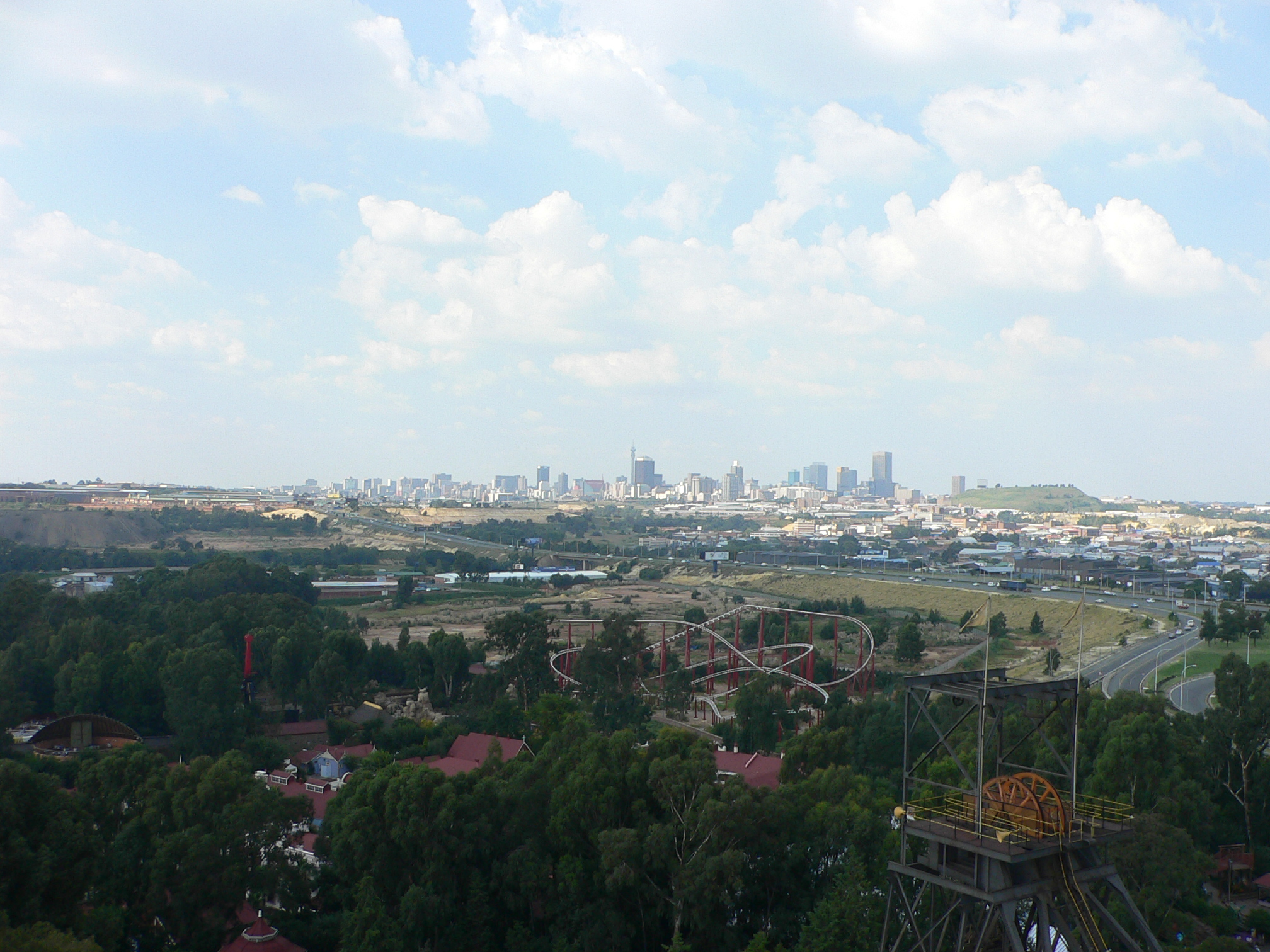
Johannesburg serves as the focal point for the protest, with participants expected to traverse the city streets to demand policy changes [1]. This action follows a pattern of labor unrest in the region, where trade unions have increasingly challenged the government's ability to manage the national economy.
The federation said the march is not merely a symbolic gesture for the holiday but a necessary confrontation with the realities of the current labor market [1]. By mobilizing on Workers' Day, the union seeks to align local grievances with the international history of labor rights [2].
Organizers have focused their messaging on the vulnerability of laborers in the current economic climate. The federation said the siege on the working class manifests in rising costs of living, and the erosion of job security [1].
“The working class is under siege.”
The SAFTU march underscores the persistent economic volatility in South Africa, where unemployment remains a primary driver of social unrest. By utilizing the global platform of Workers' Day, the union is attempting to frame local economic failures as a broader violation of labor rights, potentially increasing pressure on the government to implement more aggressive job-creation strategies.
'%2F%3E%0A%20%20%20%20%3Crect%20width%3D'1600'%20height%3D'900'%20fill%3D'url(%23v)'%2F%3E%0A%20%20%20%20%3Cg%20opacity%3D'0.08'%20fill%3D'%23ffffff'%3E%0A%20%20%20%20%20%20%3Ccircle%20cx%3D'1420'%20cy%3D'180'%20r%3D'220'%2F%3E%0A%20%20%20%20%20%20%3Ccircle%20cx%3D'1500'%20cy%3D'760'%20r%3D'120'%2F%3E%0A%20%20%20%20%3C%2Fg%3E%0A%20%20%20%20%3Cline%20x1%3D'80'%20y1%3D'172'%20x2%3D'220'%20y2%3D'172'%20stroke%3D'%23ffffff'%20stroke-width%3D'3'%20stroke-opacity%3D'0.6'%2F%3E%0A%20%20%20%20%3Ctext%20x%3D'80'%20y%3D'140'%20font-family%3D'Inter%2C%20-apple-system%2C%20Helvetica%2C%20sans-serif'%20font-weight%3D'700'%20font-size%3D'28'%20fill%3D'%23ffffff'%20letter-spacing%3D'6'%3EHANNA%20%C2%B7%20NEWS%3C%2Ftext%3E%0A%20%20%20%20%3Ctext%20x%3D'80'%20y%3D'230'%20font-family%3D'Inter%2C%20-apple-system%2C%20Helvetica%2C%20sans-serif'%20font-weight%3D'600'%20font-size%3D'40'%20fill%3D'%23ffffffb3'%20letter-spacing%3D'4'%3EWORLD%3C%2Ftext%3E%0A%20%20%20%20%3Ctext%20x%3D'80'%20y%3D'622'%20font-family%3D'Playfair%20Display%2C%20Georgia%2C%20serif'%20font-weight%3D'800'%20font-size%3D'86'%20fill%3D'%23ffffff'%20letter-spacing%3D'-1'%3EBus%20Collision%20on%3C%2Ftext%3E%3Ctext%20x%3D'80'%20y%3D'721'%20font-family%3D'Playfair%20Display%2C%20Georgia%2C%20serif'%20font-weight%3D'800'%20font-size%3D'86'%20fill%3D'%23ffffff'%20letter-spacing%3D'-1'%3EDelhi-Mumbai%20Expressway%3C%2Ftext%3E%3Ctext%20x%3D'80'%20y%3D'820'%20font-family%3D'Playfair%20Display%2C%20Georgia%2C%20serif'%20font-weight%3D'800'%20font-size%3D'86'%20fill%3D'%23ffffff'%20letter-spacing%3D'-1'%3ELeaves%20Up%20to%208%20Dead%3C%2Ftext%3E%0A%20%20%20%20%3Ctext%20x%3D'80'%20y%3D'870'%20font-family%3D'Inter%2C%20-apple-system%2C%20Helvetica%2C%20sans-serif'%20font-weight%3D'500'%20font-size%3D'22'%20fill%3D'%23ffffff66'%20letter-spacing%3D'2'%3Enews.hanna-ai.com%3C%2Ftext%3E%0A%20%20%3C%2Fsvg%3E)

