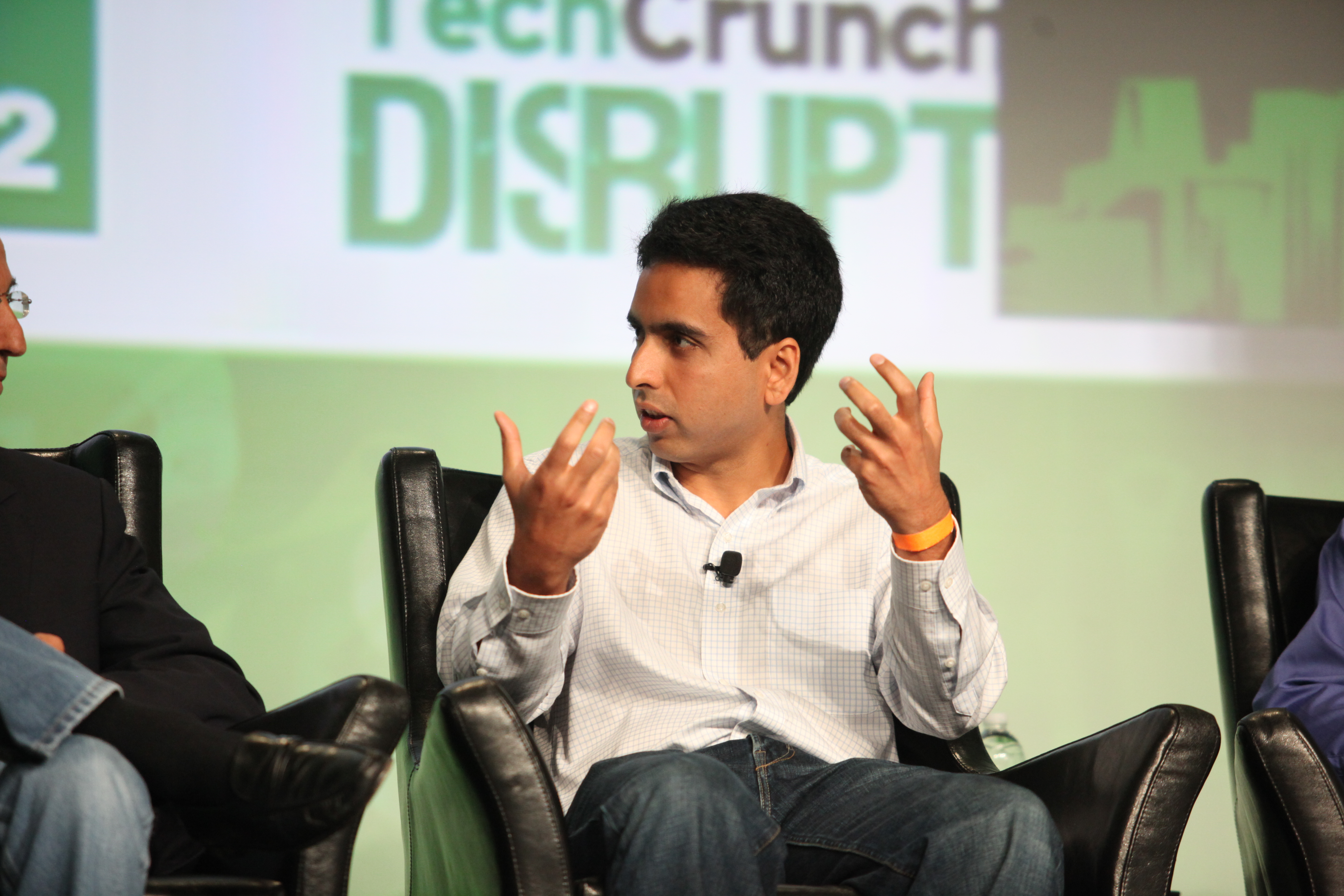
Sal Khan, the founder of Khan Academy, said AI tools can transform education by personalizing learning and expanding access for students and teachers.
This shift represents a fundamental change in how instructional content is delivered. By leveraging artificial intelligence, educators may be able to provide one-on-one tutoring at a scale previously impossible, potentially reducing the equity gap in global schooling.
Khan highlighted tools such as Khanmigo as a means to provide scalable, high-quality resources worldwide. He said AI can personalize instruction and help close learning gaps for students who struggle in traditional classroom settings. This vision involves using AI to act as a tutor for students and an assistant for teachers, reducing the administrative burden on educators.
Recent efforts to institutionalize these changes include a new partnership. On April 14, 2026 [1], ETS, Khan Academy, and TED announced a new institute designed to reimagine higher education for the AI age. This initiative, discussed in public announcements in Vancouver, BC, aims to modernize how degrees and skills are assessed in an era of generative intelligence.
While Khan maintains a positive outlook, some observers suggest the full impact of this technology is still unfolding. Reports indicate that AI-powered tutoring was first rolled out three years ago [2], yet some commentators argue the total AI revolution in education has not happened yet. This suggests a gap between the deployment of tools and the systemic change of classroom pedagogy.
Khan continues to integrate advanced technology into his platform. This includes collaborations to enhance AI bots and develop specific math models to ensure accuracy in STEM subjects. By focusing on the intersection of human instruction and machine intelligence, Khan said the goal is to empower both the learner and the educator.
“AI tools can transform education by personalizing learning and expanding access”
The push toward AI-integrated education reflects a broader transition from standardized instruction to adaptive learning. While the tools exist, the tension between Khan's optimistic vision and the slow pace of institutional adoption highlights the difficulty of reforming legacy education systems. The creation of a dedicated institute for higher education suggests that the focus is now shifting from K-12 support to the fundamental restructuring of university-level credentials.
'%2F%3E%0A%20%20%20%20%3Crect%20width%3D'1600'%20height%3D'900'%20fill%3D'url(%23v)'%2F%3E%0A%20%20%20%20%3Cg%20opacity%3D'0.08'%20fill%3D'%23ffffff'%3E%0A%20%20%20%20%20%20%3Ccircle%20cx%3D'1420'%20cy%3D'180'%20r%3D'220'%2F%3E%0A%20%20%20%20%20%20%3Ccircle%20cx%3D'1500'%20cy%3D'760'%20r%3D'120'%2F%3E%0A%20%20%20%20%3C%2Fg%3E%0A%20%20%20%20%3Cline%20x1%3D'80'%20y1%3D'172'%20x2%3D'220'%20y2%3D'172'%20stroke%3D'%23ffffff'%20stroke-width%3D'3'%20stroke-opacity%3D'0.6'%2F%3E%0A%20%20%20%20%3Ctext%20x%3D'80'%20y%3D'140'%20font-family%3D'Inter%2C%20-apple-system%2C%20Helvetica%2C%20sans-serif'%20font-weight%3D'700'%20font-size%3D'28'%20fill%3D'%23ffffff'%20letter-spacing%3D'6'%3EHANNA%20%C2%B7%20NEWS%3C%2Ftext%3E%0A%20%20%20%20%3Ctext%20x%3D'80'%20y%3D'230'%20font-family%3D'Inter%2C%20-apple-system%2C%20Helvetica%2C%20sans-serif'%20font-weight%3D'600'%20font-size%3D'40'%20fill%3D'%23ffffffb3'%20letter-spacing%3D'4'%3EWORLD%3C%2Ftext%3E%0A%20%20%20%20%3Ctext%20x%3D'80'%20y%3D'622'%20font-family%3D'Playfair%20Display%2C%20Georgia%2C%20serif'%20font-weight%3D'800'%20font-size%3D'86'%20fill%3D'%23ffffff'%20letter-spacing%3D'-1'%3EBus%20Collision%20on%3C%2Ftext%3E%3Ctext%20x%3D'80'%20y%3D'721'%20font-family%3D'Playfair%20Display%2C%20Georgia%2C%20serif'%20font-weight%3D'800'%20font-size%3D'86'%20fill%3D'%23ffffff'%20letter-spacing%3D'-1'%3EDelhi-Mumbai%20Expressway%3C%2Ftext%3E%3Ctext%20x%3D'80'%20y%3D'820'%20font-family%3D'Playfair%20Display%2C%20Georgia%2C%20serif'%20font-weight%3D'800'%20font-size%3D'86'%20fill%3D'%23ffffff'%20letter-spacing%3D'-1'%3ELeaves%20Up%20to%208%20Dead%3C%2Ftext%3E%0A%20%20%20%20%3Ctext%20x%3D'80'%20y%3D'870'%20font-family%3D'Inter%2C%20-apple-system%2C%20Helvetica%2C%20sans-serif'%20font-weight%3D'500'%20font-size%3D'22'%20fill%3D'%23ffffff66'%20letter-spacing%3D'2'%3Enews.hanna-ai.com%3C%2Ftext%3E%0A%20%20%3C%2Fsvg%3E)

