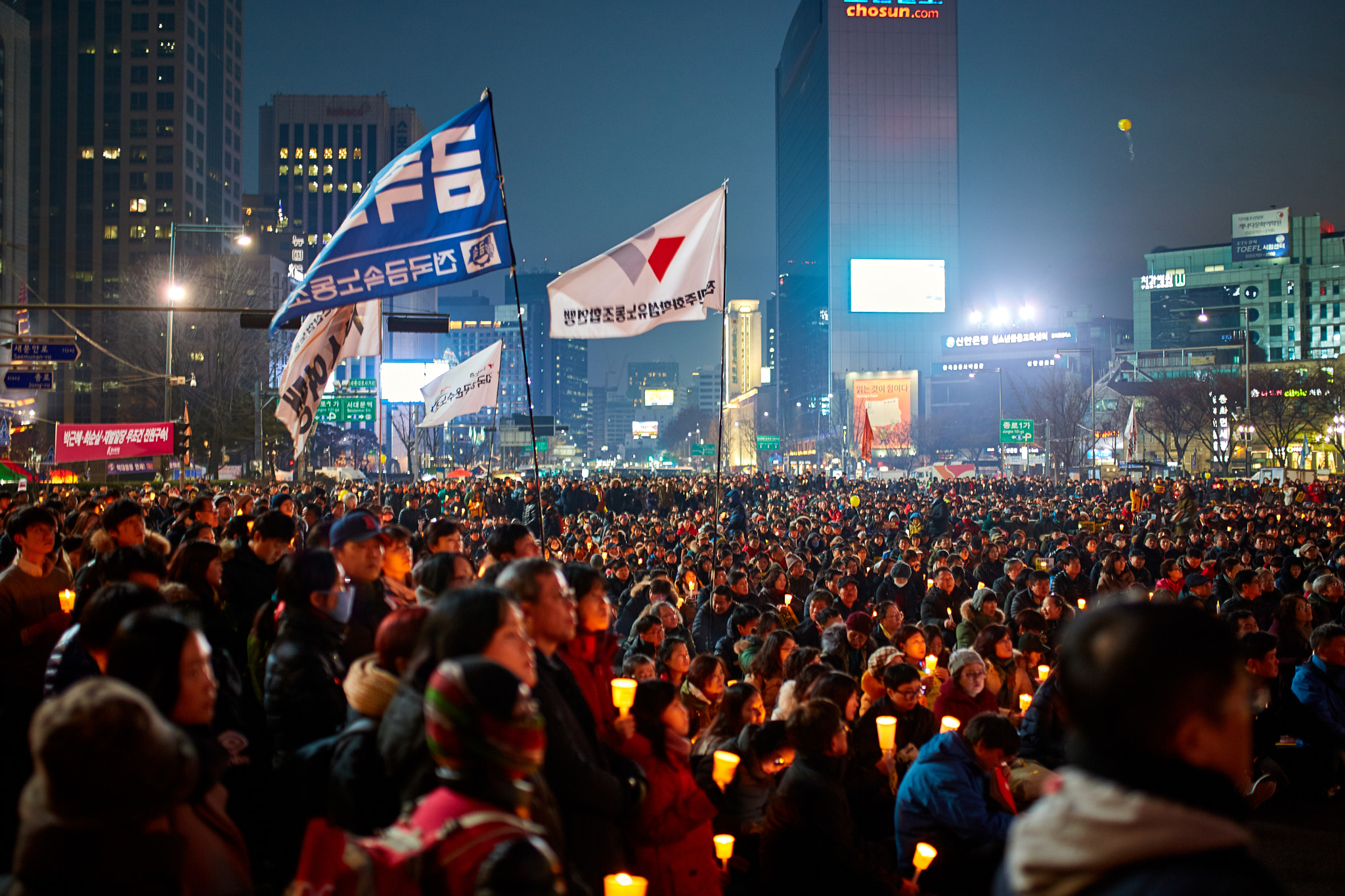
Samsung Biologics union members are conducting a full-scale strike in South Korea demanding significant wage increases and bonuses [1].
The labor action represents a critical tension between one of the world's largest biopharmaceutical contract manufacturers and its workforce. The dispute has escalated into a broader political conflict involving the presidency and other corporate entities.
Approximately 2,800 workers are currently participating in the strike [1]. The union, which consists of roughly 4,000 members [1], is seeking an average wage increase of 14% [1]. Additionally, the workers are demanding a bonus of 30 million won per person [1].
Union representatives said the strike will continue until May 5, 2024 [1]. This marks the second day of the walkout at Samsung Biologics facilities.
The labor dispute has intersected with political friction involving President Lee Jae-myung. The leader of the Samsung Electronics union said that remarks made by President Lee regarding "excessive demands" were actually targeted at LG U+ [1].
This accusation has led to a confrontation between the unions and corporate management. LG U+ management has responded by demanding an apology following the Samsung Electronics union leader's comments [1].
"LG U+ should apologize for the President’s remarks," the Samsung Electronics union leader said [1].
“The union is seeking an average wage increase of 14%”
The intersection of a specific labor dispute at Samsung Biologics with the rhetoric of President Lee Jae-myung and the interests of LG U+ suggests a volatile labor environment in South Korea. When wage demands at a major science and manufacturing hub become entangled with national political figures, it often complicates the collective bargaining process and can lead to broader industrial instability across different corporate sectors.


