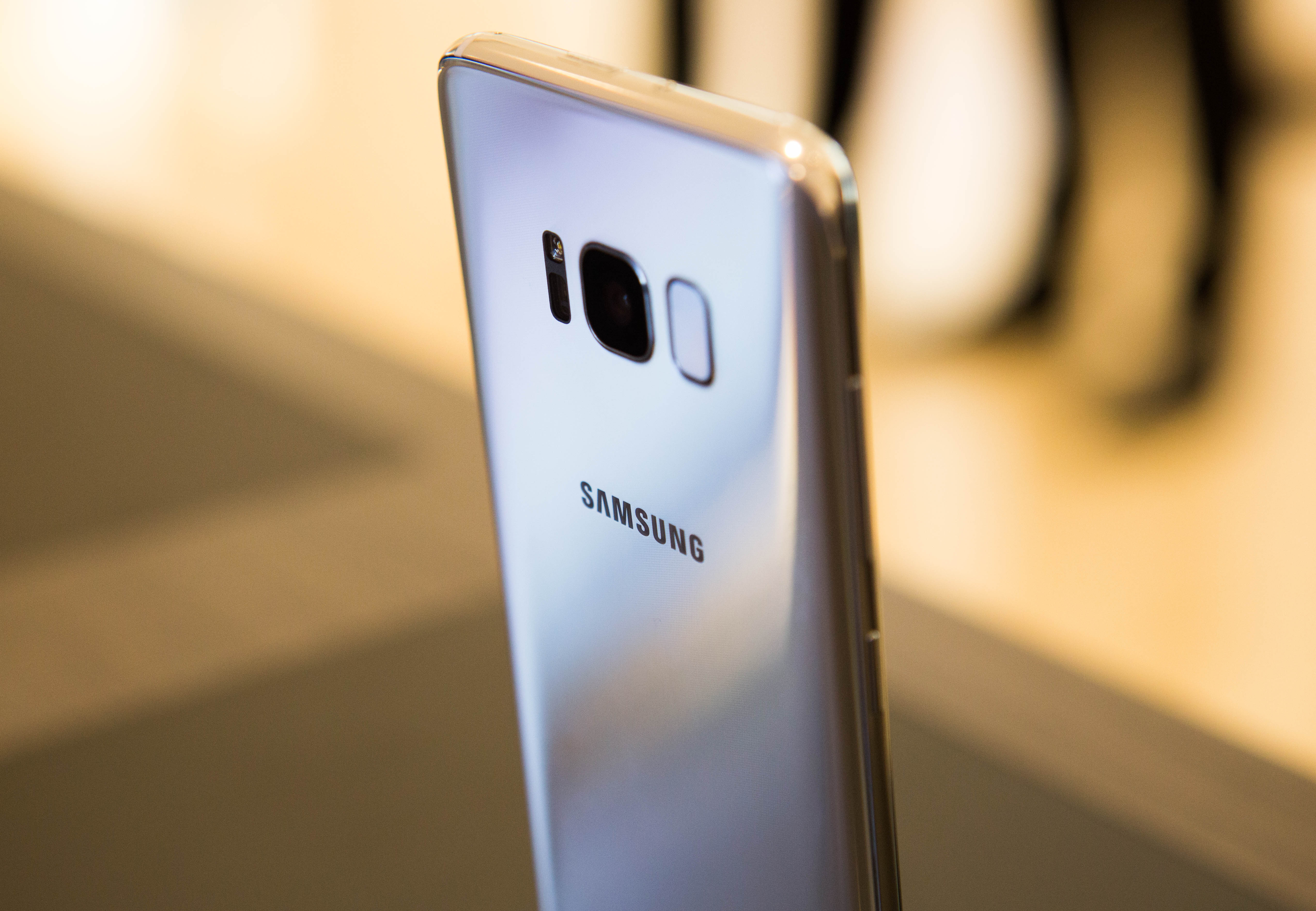
Samsung announced the Galaxy Watch 9 and Galaxy Watch Ultra 2 during its Galaxy Unpacked showcase on Wednesday.
The release marks a shift toward integrating artificial intelligence into wearable health technology. By focusing on AI-driven software rather than purely aesthetic changes, Samsung aims to differentiate its flagship wearables from competitors in the health-tracking market.
Samsung introduced two [1] new smartwatch models during the event. The Galaxy Watch 9 and the Galaxy Watch Ultra 2 both feature upgrades to health monitoring and general software functionality. These updates are designed to provide more precise data and personalized insights for users, leveraging AI to interpret health metrics.
While the physical designs of the watches remain similar to previous iterations, the company highlighted the internal software as the primary driver of the update. The AI-based health tracking is intended to refresh the flagship line by offering capabilities that were not present in earlier versions of the hardware.
Reports on the timing of these releases vary. Some sources indicate the Galaxy Watch Ultra 2 was announced at a 2024 event [2], while other reports suggested the original Ultra model was not due for an upgrade until 2026 [3]. However, the current showcase confirms the availability of the new AI-enhanced models.
The Galaxy Watch 9 serves as the standard flagship, while the Ultra 2 is positioned as the premium, high-performance option. Both devices are intended to work within the broader Samsung ecosystem, using AI to sync health data across devices, and provide proactive wellness alerts.
“Samsung announced the Galaxy Watch 9 and Galaxy Watch Ultra 2”
This move signals Samsung's strategy to move beyond hardware specifications and instead compete on the intelligence of the software. By embedding AI into health tracking, the company is attempting to transform the smartwatch from a passive recording device into an active health diagnostic tool, which may pressure other wearable manufacturers to prioritize AI integration over physical redesigns.

'%2F%3E%0A%20%20%20%20%3Crect%20width%3D'1600'%20height%3D'900'%20fill%3D'url(%23v)'%2F%3E%0A%20%20%20%20%3Cg%20opacity%3D'0.08'%20fill%3D'%23ffffff'%3E%0A%20%20%20%20%20%20%3Ccircle%20cx%3D'1420'%20cy%3D'180'%20r%3D'220'%2F%3E%0A%20%20%20%20%20%20%3Ccircle%20cx%3D'1500'%20cy%3D'760'%20r%3D'120'%2F%3E%0A%20%20%20%20%3C%2Fg%3E%0A%20%20%20%20%3Cline%20x1%3D'80'%20y1%3D'172'%20x2%3D'220'%20y2%3D'172'%20stroke%3D'%23ffffff'%20stroke-width%3D'3'%20stroke-opacity%3D'0.6'%2F%3E%0A%20%20%20%20%3Ctext%20x%3D'80'%20y%3D'140'%20font-family%3D'Inter%2C%20-apple-system%2C%20Helvetica%2C%20sans-serif'%20font-weight%3D'700'%20font-size%3D'28'%20fill%3D'%23ffffff'%20letter-spacing%3D'6'%3EHANNA%20%C2%B7%20NEWS%3C%2Ftext%3E%0A%20%20%20%20%3Ctext%20x%3D'80'%20y%3D'230'%20font-family%3D'Inter%2C%20-apple-system%2C%20Helvetica%2C%20sans-serif'%20font-weight%3D'600'%20font-size%3D'40'%20fill%3D'%23ffffffb3'%20letter-spacing%3D'4'%3ETECH%3C%2Ftext%3E%0A%20%20%20%20%3Ctext%20x%3D'80'%20y%3D'622'%20font-family%3D'Playfair%20Display%2C%20Georgia%2C%20serif'%20font-weight%3D'800'%20font-size%3D'86'%20fill%3D'%23ffffff'%20letter-spacing%3D'-1'%3ESamsung%20Debuts%20Flex%20Titanium%3C%2Ftext%3E%3Ctext%20x%3D'80'%20y%3D'721'%20font-family%3D'Playfair%20Display%2C%20Georgia%2C%20serif'%20font-weight%3D'800'%20font-size%3D'86'%20fill%3D'%23ffffff'%20letter-spacing%3D'-1'%3EDisplay%20for%20Galaxy%20Z%20Fold%208%3C%2Ftext%3E%3Ctext%20x%3D'80'%20y%3D'820'%20font-family%3D'Playfair%20Display%2C%20Georgia%2C%20serif'%20font-weight%3D'800'%20font-size%3D'86'%20fill%3D'%23ffffff'%20letter-spacing%3D'-1'%3EUltra%3C%2Ftext%3E%0A%20%20%20%20%3Ctext%20x%3D'80'%20y%3D'870'%20font-family%3D'Inter%2C%20-apple-system%2C%20Helvetica%2C%20sans-serif'%20font-weight%3D'500'%20font-size%3D'22'%20fill%3D'%23ffffff66'%20letter-spacing%3D'2'%3Enews.hanna-ai.com%3C%2Ftext%3E%0A%20%20%3C%2Fsvg%3E)
