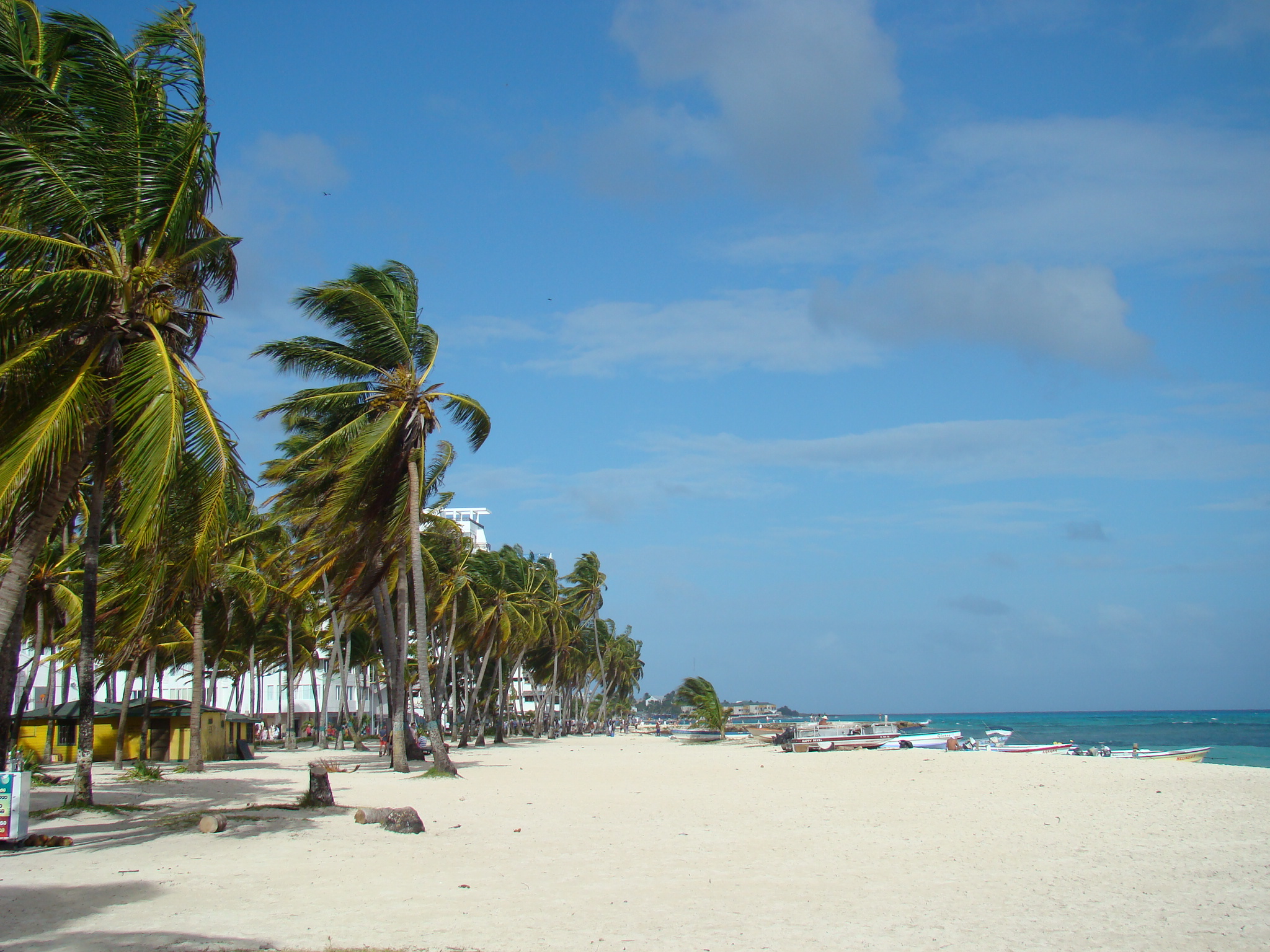
Polling stations opened Sunday in the Archipelago of San Andrés, Providencia, and Santa Catalina for an atypical gubernatorial election [1].
This special election is critical for the region's administrative stability. The atypical nature of the vote indicates a need to fill the governor's office outside of the standard electoral cycle, ensuring the archipelago maintains local leadership and governance.
The voting process is underway across the Colombian territory. According to official data, there are 53,872 total eligible voters [2]. This electorate is composed of 27,964 eligible women [2] and 25,908 eligible men [2].
The election serves as a mechanism to resolve the leadership vacancy in the department. Citizens are casting ballots to determine who will lead the islands of San Andrés, Providencia, and Santa Catalina. Reports said the process is advancing normally as the community exercises its right to vote [1], [2].
Local authorities are monitoring the polls to ensure the integrity of the atypical process. The outcome will determine the executive direction of the archipelago's government moving forward. Because this is a special election, the focus remains on the immediate transition of power to a newly elected governor [1].
“Polling stations opened Sunday in the Archipelago of San Andrés, Providencia, and Santa Catalina”
The use of an atypical election suggests a disruption in the standard political timeline of the department, often caused by legal vacancies or administrative removals. By mobilizing over 53,000 voters, the Colombian government aims to restore democratic legitimacy and administrative continuity to the archipelago's leadership.


