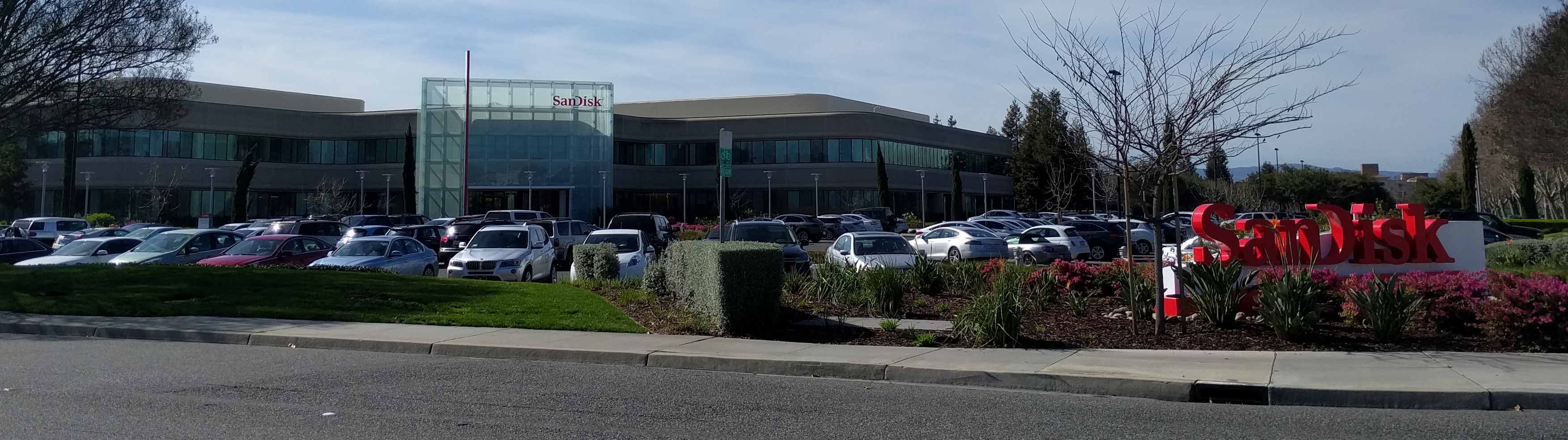
SanDisk's board of directors approved a share-repurchase program totaling $15.5 billion on Monday [1].
The move allows the company to use its cash flow to support its stock price and return value to shareholders. Large-scale buybacks typically reduce the number of outstanding shares, which can increase the earnings per share for remaining investors.
According to reports, the board added roughly $14 billion to an existing buyback program that had been nearly exhausted [1]. This replenishment ensures the company can continue its repurchase strategy without interruption.
The total amount authorized for the buyback represents 8.6% of the company [1]. This significant percentage indicates a substantial commitment of corporate capital toward equity reduction.
SanDisk intends to fund the program through its existing cash flow [1]. The board's decision comes as the company seeks to optimize its capital structure by leveraging its current financial position.
“The board approved a share-repurchase program totaling $15.5 billion.”
A buyback of this magnitude suggests that SanDisk's leadership believes the current stock price is undervalued or that the company has excess cash that cannot be more profitably invested in research, development, or acquisitions. By retiring 8.6% of its shares, the company is effectively concentrating ownership among remaining shareholders, which often serves as a signal of corporate confidence to the broader market.


