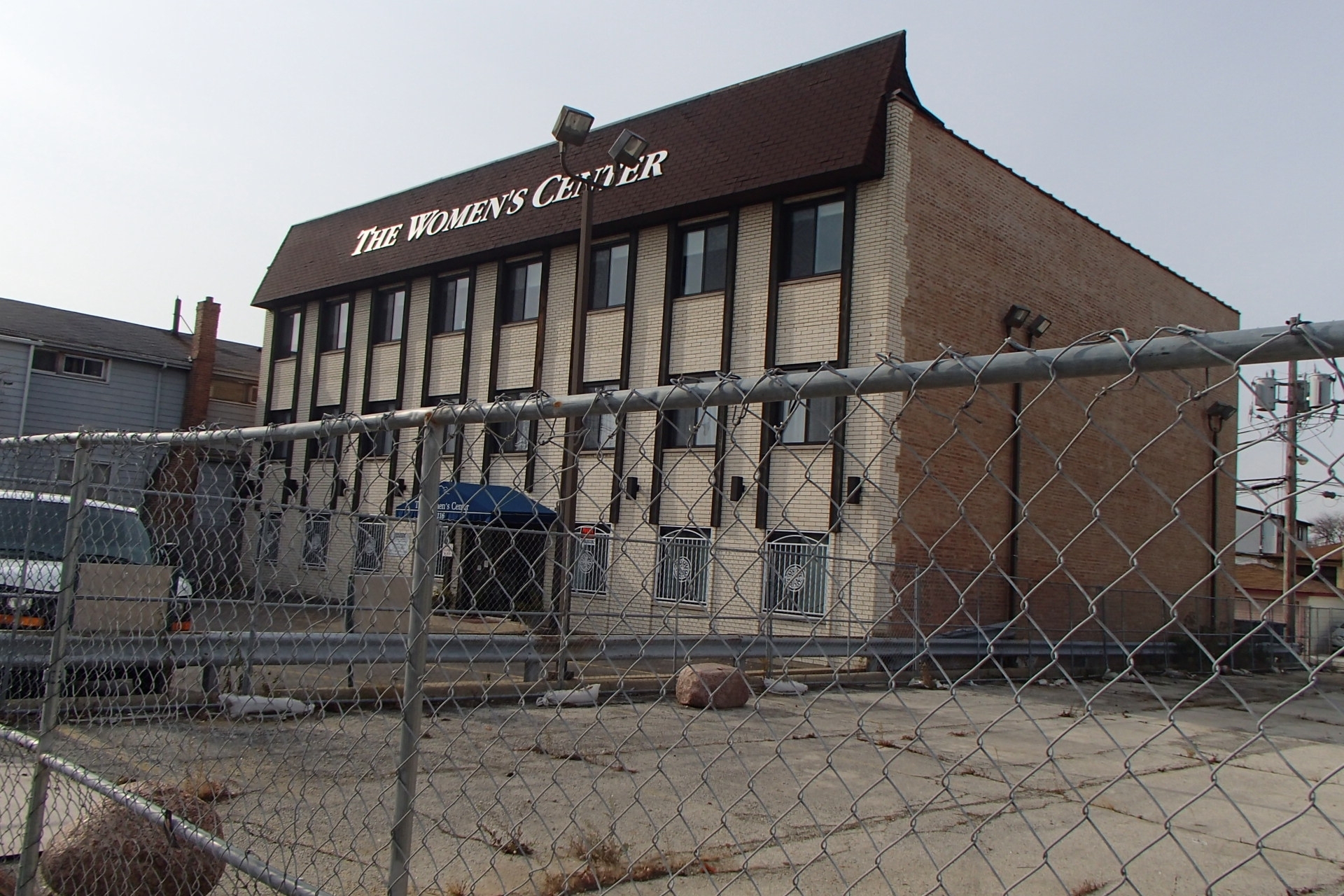
The Sandpoint Crisis Pregnancy Center is expanding its women’s health services to fill a gap in care in Sandpoint, Idaho.
This expansion occurs as the town lacks local OB-GYNs and maternity facilities, leaving residents without immediate access to specialized reproductive healthcare. The move allows the religious center to provide services while simultaneously advancing its anti-abortion mission.
Sandpoint, located in the Idaho Panhandle, has struggled with a lack of maternity care for several years. The local hospital's labor-and-delivery unit closed three years ago in 2023 [1]. This closure created a maternity care desert, forcing residents to travel outside the town for essential prenatal and delivery services.
The crisis pregnancy center is now seeking to broaden its offerings to address this void [1], [2]. By positioning itself as a primary resource for women's health in the area, the center aims to provide a local alternative for those who no longer have access to traditional hospital-based obstetric care [2].
Rural healthcare shortages often leave small communities vulnerable to the loss of critical services. In Sandpoint, the departure of OB-GYNs has left the community dependent on external providers or non-clinical centers for pregnancy-related support [1]. The center's expansion highlights the tension between the need for medical accessibility and the influence of ideological organizations in rural health landscapes [2].
“The local hospital's labor-and-delivery unit closed three years ago in 2023.”
This situation illustrates a growing trend in rural U.S. healthcare where 'maternity deserts' are created by hospital closures. When traditional medical infrastructure fails, ideological organizations may step in to fill the void, potentially shifting the nature of available prenatal care from clinical medical models to mission-driven services.


