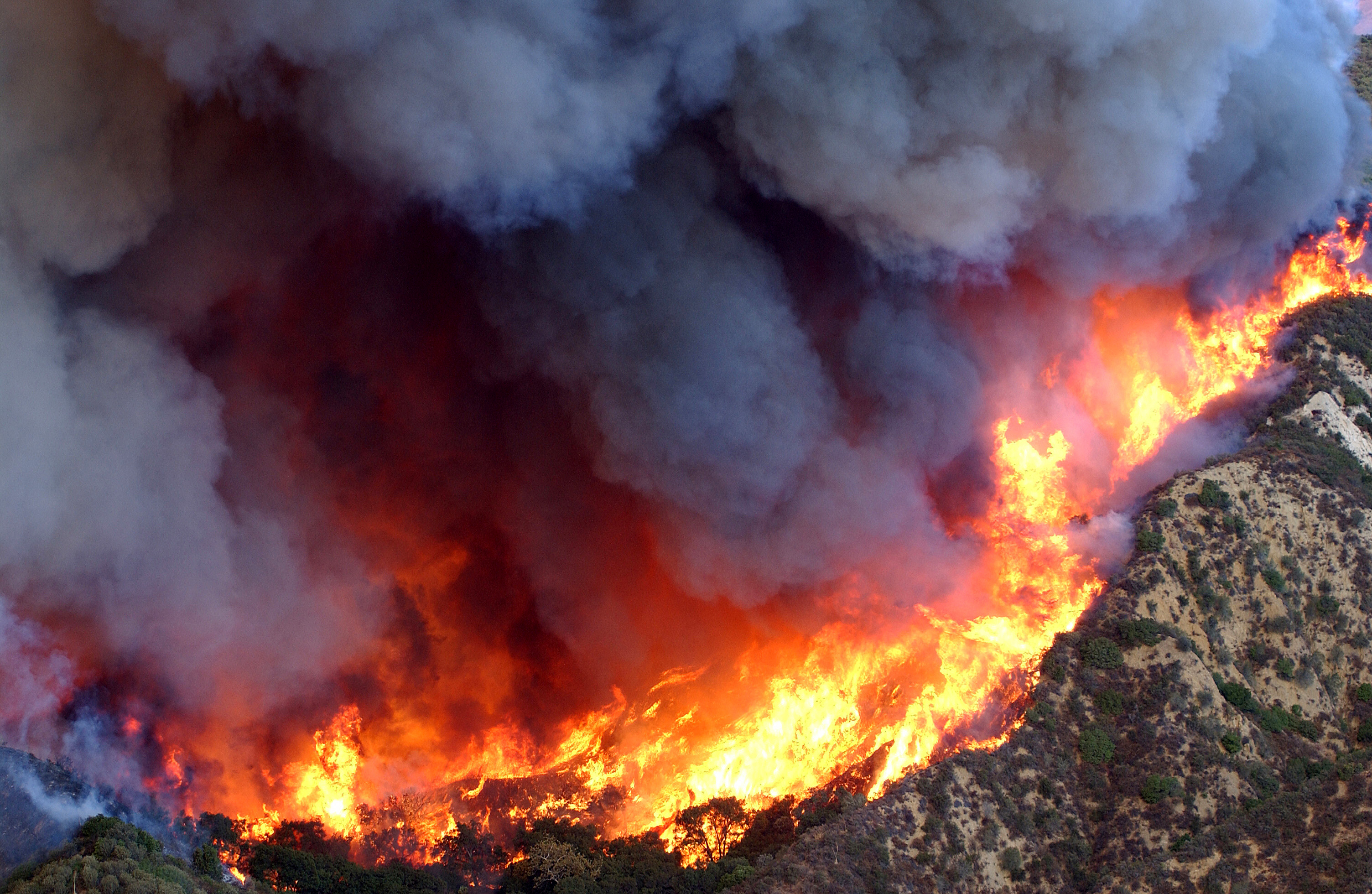
A fast-moving wildfire known as the Sandy Fire forced thousands of residents to evacuate Simi Valley in Ventura County on Monday [2, 4].
The blaze highlights the ongoing danger of dry vegetation and strong winds in Southern California, where rapid fire spread can threaten residential areas within minutes.
The fire broke out May 18, 2026, in an area located about 30 miles north of Los Angeles [2, 6]. Fueled by dry brush and high winds, the flames spread quickly through the landscape [1, 2, 3].
Reports on the total area burned vary across sources. Some reports indicate the fire covered 184 acres [3], while others state it burned more than 500 acres [1]. A third report suggests the damage extended to more than 1,300 acres [2].
Emergency crews battled the blaze as the fire destroyed at least one home [1, 2]. Local officials ordered the evacuation of thousands of residents to ensure public safety as the perimeter shifted [1, 4].
Firefighters worked to contain the Sandy Fire amid challenging conditions. The combination of low humidity and wind gusts created a volatile environment for first responders attempting to establish containment lines.
“Thousands of residents evacuated”
The Sandy Fire underscores the volatility of the California fire season, where the intersection of drought-stricken vegetation and wind events can trigger massive evacuations regardless of the time of year. The discrepancy in acreage reports suggests a rapidly evolving situation where containment boundaries shifted quickly, complicating real-time damage assessments.


