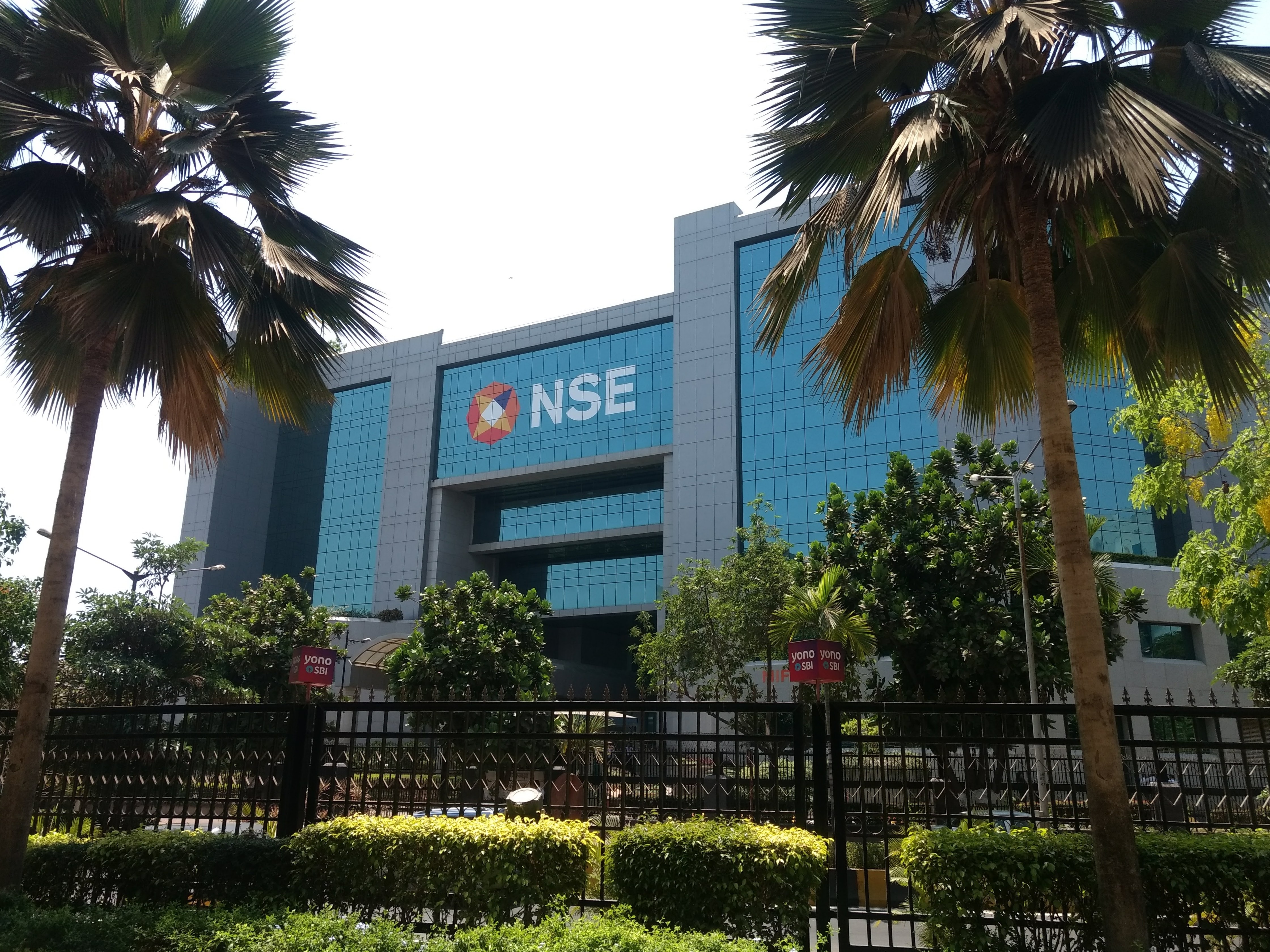
SAR Televenture Ltd. share prices are showing resilience despite a general muted trend within the Indian stock market's NSE SME segment.
This performance is significant because it highlights the volatility of the Small and Medium Enterprises (SME) sector. While many small-cap stocks are struggling, the relative stability of certain assets can signal varying levels of investor confidence in specific telecommunications or venture ventures.
Data indicates that the SAR Televenture share price has fallen over seven percent [1] within the last month. The decline is part of a larger downward trend for the company, with the stock price dropping more than 45% [1] year-to-date in 2024.
Despite these losses, the company is viewed as resilient when compared to the broader market. The NSE SME index has plunged over 48% [1] over the past 12 months. This suggests that while the stock is losing value, it is doing so at a pace that is slightly less severe than the general collapse of the SME index.
Market analysts track these movements to determine if a stock is merely following a downward market tide or if it possesses fundamental strengths that prevent a steeper crash. The current environment in the Indian market remains muted, a state characterized by low activity and stagnant or falling prices.
Investors in the NSE SME platform often face higher risks than those in larger-cap indices. The current disparity between the individual stock's decline and the index's plunge illustrates the high-risk nature of SME investing in the current economic climate.
“SAR Televenture share price has fallen over seven percent in one month”
The characterization of SAR Televenture as 'resilient' is a relative measure rather than an absolute one. Because the broader NSE SME index has suffered a more catastrophic collapse of over 48%, any stock that has declined less than that benchmark is technically outperforming the average. This reflects a period of extreme volatility for small and medium enterprises in India, where 'success' is currently defined by minimizing losses rather than achieving growth.