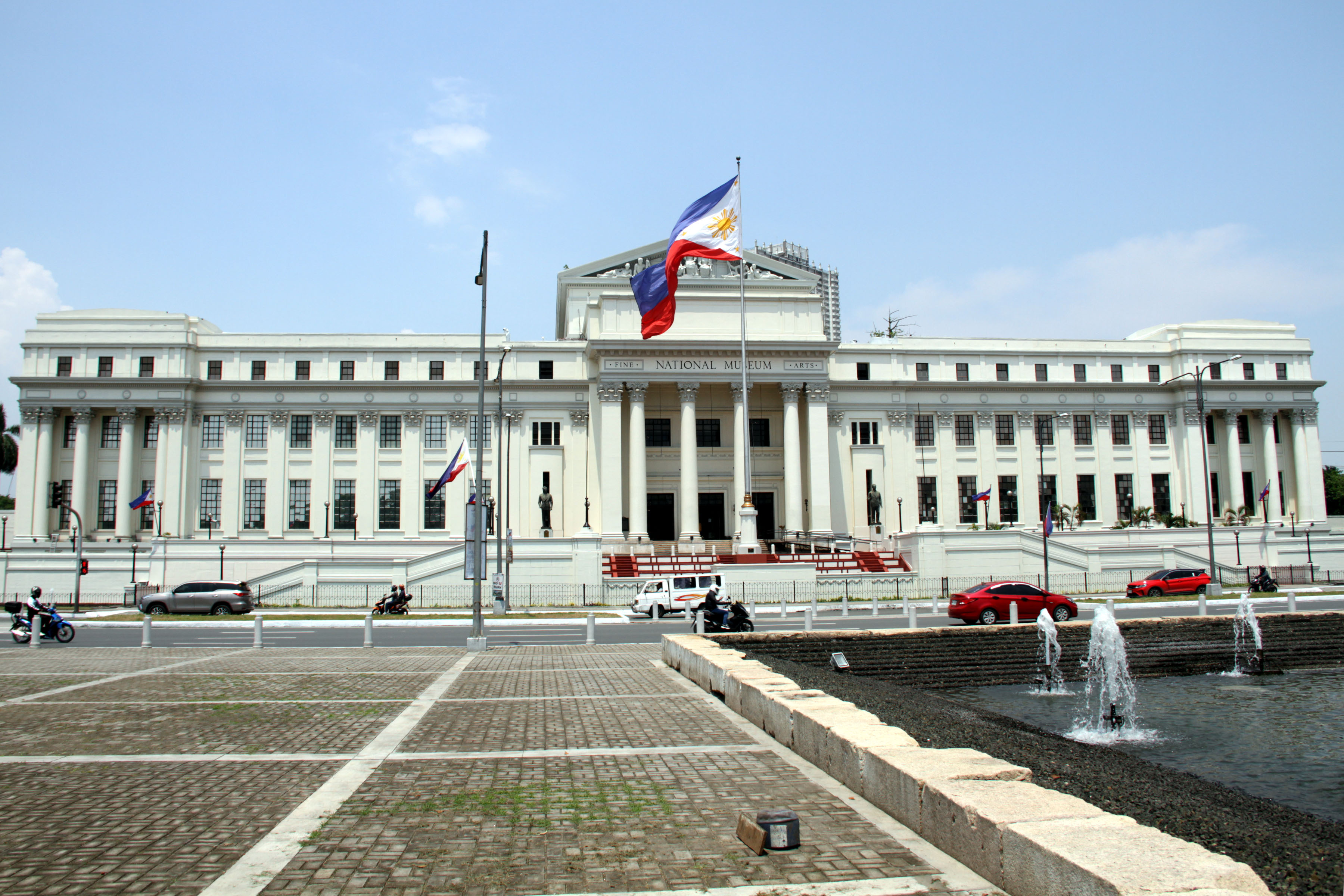
The Philippine Senate continued the impeachment trial of Vice President Sara Duterte on Friday in Manila [1].
The proceedings represent a significant legal and political challenge for the second-highest official in the country. A conviction could remove Duterte from office and permanently disqualify her from holding public positions, altering the national political landscape.
Day five of the trial focused on allegations that Duterte amassed unexplained wealth and misused confidential state funds [1, 2]. Lawmakers also presented evidence regarding alleged threats made by the Vice President against other government leaders, including a claim that she threatened to have the president assassinated [2, 3].
The trial began on July 6, 2026 [1]. To maintain order during the high-profile hearings, security forces have deployed thousands of police officers around the Senate chamber [3].
Senate members are currently considering four articles of impeachment [2]. These articles outline the specific legal charges that could lead to the Vice President's removal. The proceedings are being closely monitored by the public and international observers given the sensitivity of the accusations.
Throughout the hearings, the Senate has functioned as a court to determine if the evidence supports the claims of misconduct. The trial remains centered on the intersection of state fund management and the conduct of high-ranking officials, a recurring point of tension in Philippine governance.
“The Philippine Senate continued the impeachment trial of Vice President Sara Duterte on Friday in Manila”
This trial signifies a critical breakdown in the relationship between the Philippine executive branch's top two offices. By focusing on 'confidential funds' and threats against the presidency, the Senate is testing the boundaries of executive privilege and accountability. The outcome will likely determine the viability of the Duterte political coalition heading into future election cycles.


