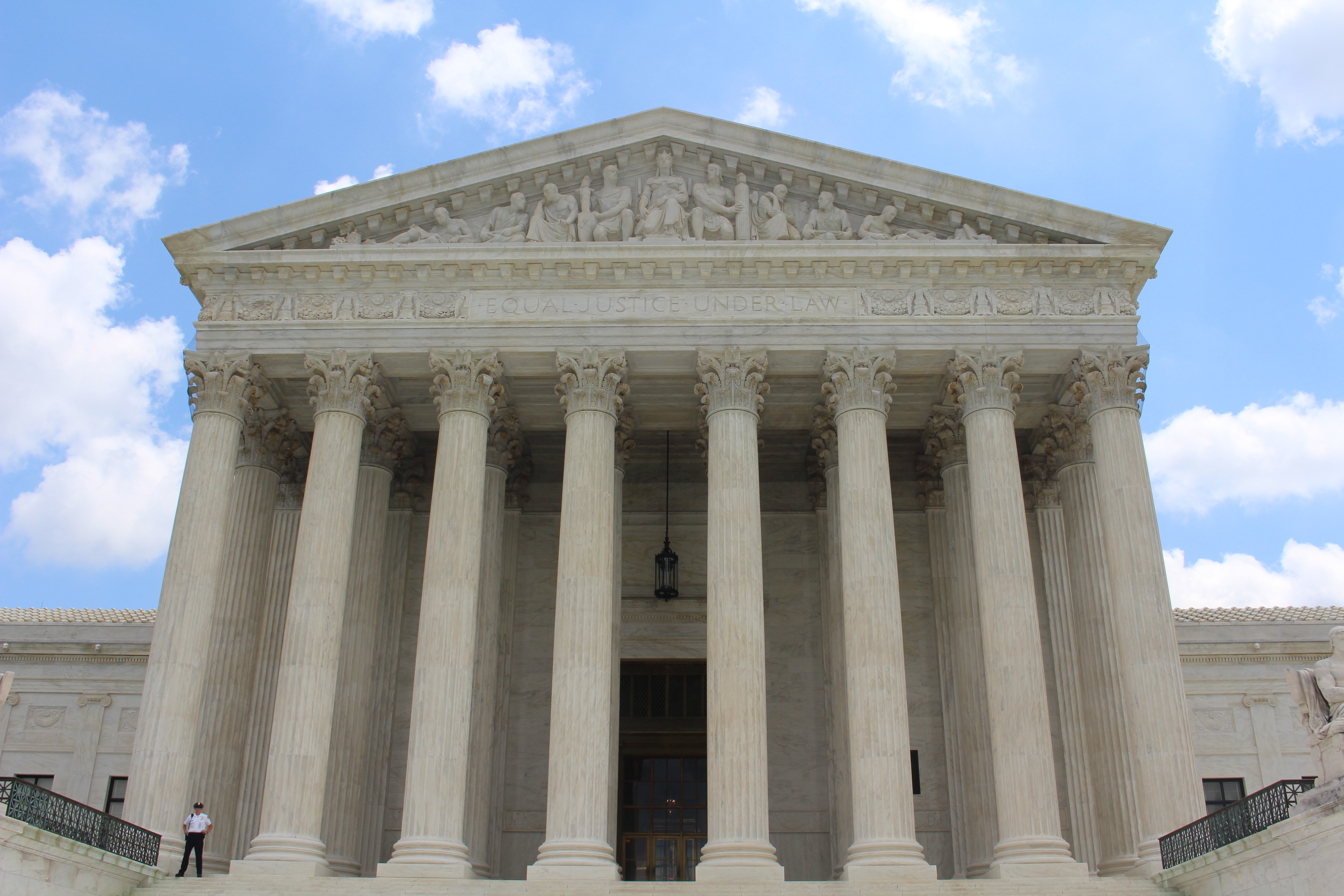
Sarah Isgur, editor of SCOTUSblog, said in a recent interview that the U.S. Supreme Court could serve as a last defense against former President Trump.
This perspective challenges the prevailing view of the judiciary's current ideological alignment. Understanding whether the court remains an independent check or a predictable partisan body is critical as legal challenges surrounding the former president continue to evolve.
Speaking on The 1600 podcast, Isgur discussed the themes of her New York Times bestseller, "Last Branch Standing" [2]. She addressed the common perception that the court operates as a six-three divided body [1]. Isgur said the reality of the court's composition is far from that conventional split.
According to Isgur, the court's internal dynamics are more complex than public narratives suggest. She said the institution may still function as a critical barrier against the actions of the former president. The discussion focused on the court's role in maintaining the rule of law, and its ability to act independently of political pressure.
Isgur's analysis suggests that the court is not a monolith. By examining the specific legal philosophies of the justices, she said the court can provide a check on executive power even when the ideological leanings of the majority appear aligned with a specific political figure.
Throughout the interview, Isgur emphasized the importance of looking beyond the six-three label [1] to understand how the court actually decides cases. She said the institutional identity of the court often outweighs the personal preferences of the justices.
“The Supreme Court may serve as a last defense against former President Trump.”
Isgur's argument suggests that the Supreme Court's adherence to judicial precedent and institutional norms may override the perceived partisan leanings of its conservative majority. If the court acts as a 'last branch standing,' it indicates that legal constraints remain effective even in a highly polarized political environment, potentially limiting the scope of executive immunity or authority.


