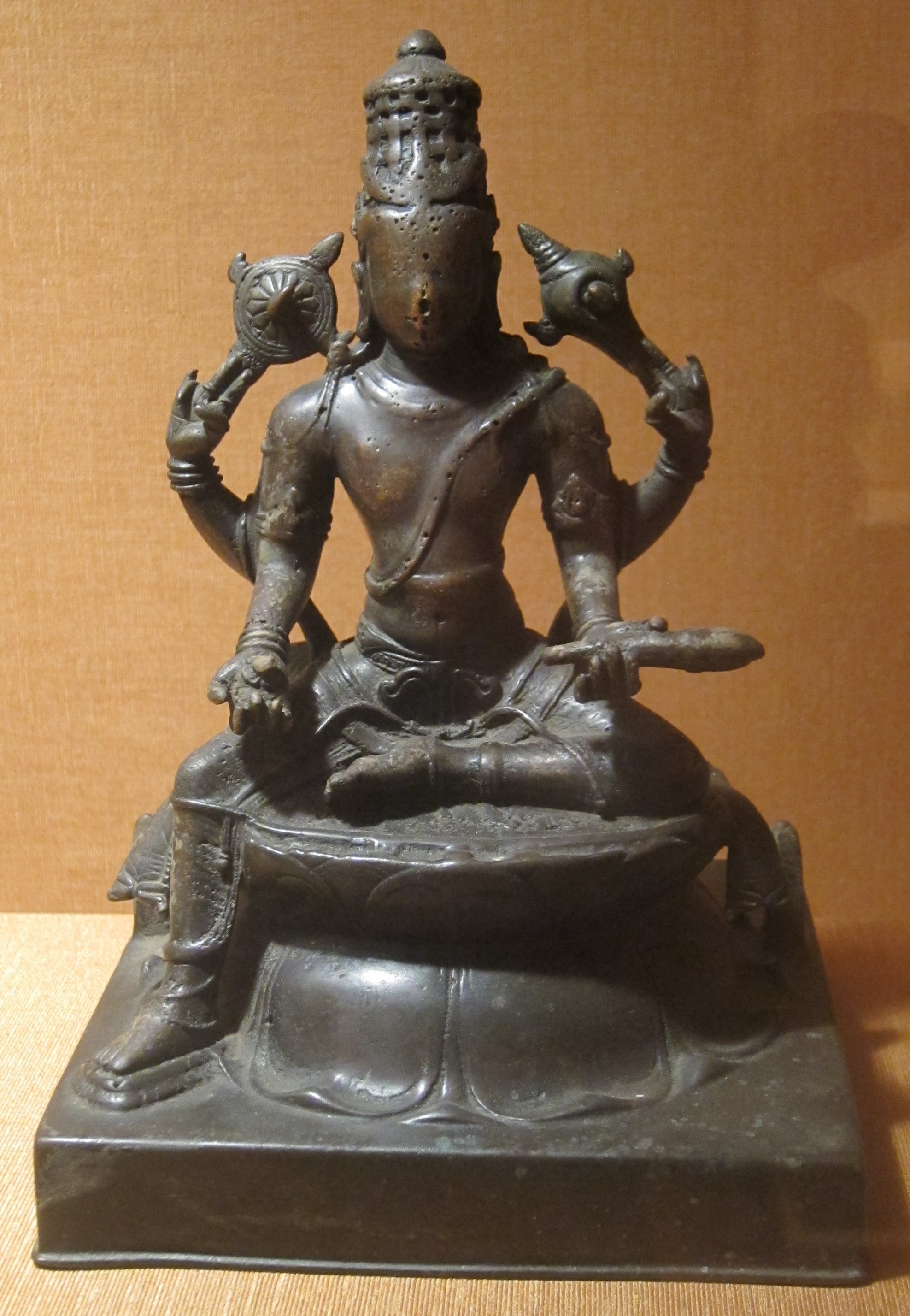
Ancient sculptures from the Pallava and Chola eras in Tamil Nadu depict Goddess Saraswati without the veena [1].
These findings are significant because they challenge the modern perception of the deity's primary symbols. The absence of the musical instrument suggests that the veena became a dominant iconographic feature only later in history [1].
The sculptures were identified in Tamil Nadu, with specific artistic mastery noted at the Nurai Pillaiyar shrine [2]. These works provide a physical record of how religious art evolved over centuries. By examining the transition between the Pallava and Chola periods, historians can better understand the shifting theological and cultural interpretations of the goddess [1].
Traditionally, Saraswati is recognized as the goddess of knowledge, music, and art, almost always paired with the veena in contemporary imagery. However, the earlier iconography found in these shrines indicates a different visual representation during the formative years of South Indian temple art [1]. This evolution reflects a broader pattern in Indian sculpture where attributes of deities were standardized over time to align with evolving scriptural texts, and regional traditions.
The discovery emphasizes the importance of preserving regional shrines to uncover forgotten artistic phases. The stone carvings serve as a primary source for art historians tracking the development of Dravidian architecture and sculpture [2]. Because these figures lack the instrument, they offer a rare glimpse into a period before the veena became the universal symbol for the deity [1].
“The absence of the musical instrument suggests that the veena became a dominant iconographic feature only later in history.”
This discovery highlights the fluid nature of religious iconography in ancient India. It suggests that the visual identity of deities was not static but evolved alongside cultural and theological shifts, indicating that the association between Saraswati and the veena was a later development rather than an original attribute.


