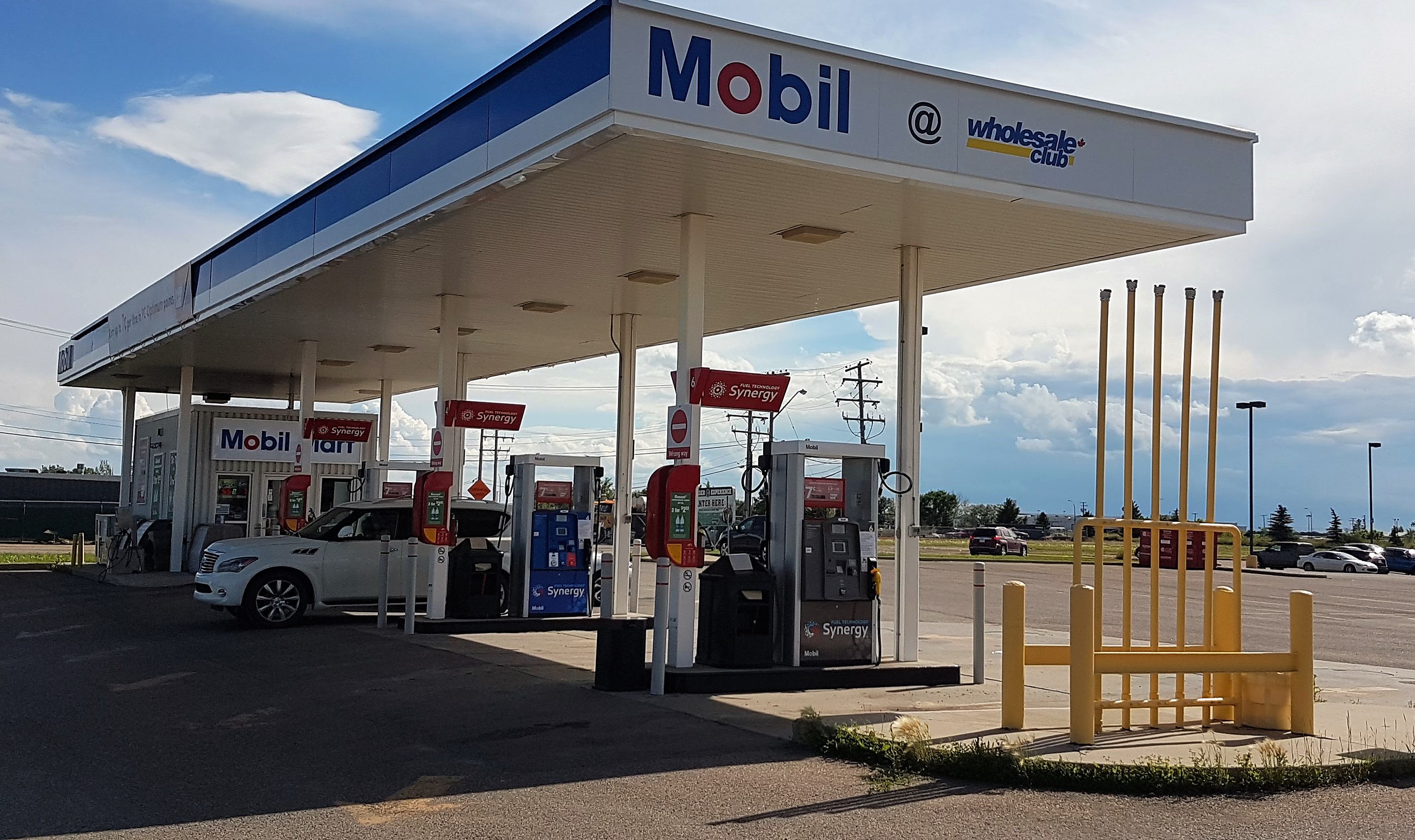
Gasoline prices across Saskatchewan surged overnight leading into the weekend of April 30, 2026, returning to price levels last seen in 2022 [1].
The sudden spike creates immediate financial pressure for residents and commercial operators who rely on fuel for daily logistics. For couriers and delivery services, these costs directly impact profit margins and the viability of fixed-rate contracts.
Retailers in major centers, including Saskatoon and Regina, reported price hikes of up to 20 cents per litre [1]. The increase occurred rapidly, catching many drivers off guard as they prepared for the weekend. This volatility is particularly challenging for the Provincial Courier Service and other independent drivers who operate across the province [1].
Market analysts said the rise is due to higher global oil prices and broader market pressures that have pushed retail costs upward [1]. While some stations saw smaller increases, the peak jumps have pushed the average cost of fuel back to the heights experienced four years ago.
Drivers in Saskatchewan have faced various fluctuations in fuel costs over the last several years, but the speed of this specific increase is notable. The shift puts a strain on the transportation sector, a critical component of the province's agricultural and commercial infrastructure.
Local couriers are now evaluating how to manage these overhead costs. Because fuel is a primary expense for delivery services, a 20-cent jump [1] can result in significant monthly losses for small-scale operators who cannot easily pass costs to customers.
“Gasoline prices surged overnight, with some locations reporting increases of up to 20 cents per litre.”
The return to 2022 pricing levels suggests a period of renewed volatility in the energy market. For Saskatchewan's economy, which relies heavily on long-haul transport for agriculture and retail, sustained high fuel costs often lead to inflationary pressure on consumer goods as shipping companies implement fuel surcharges to offset losses.


