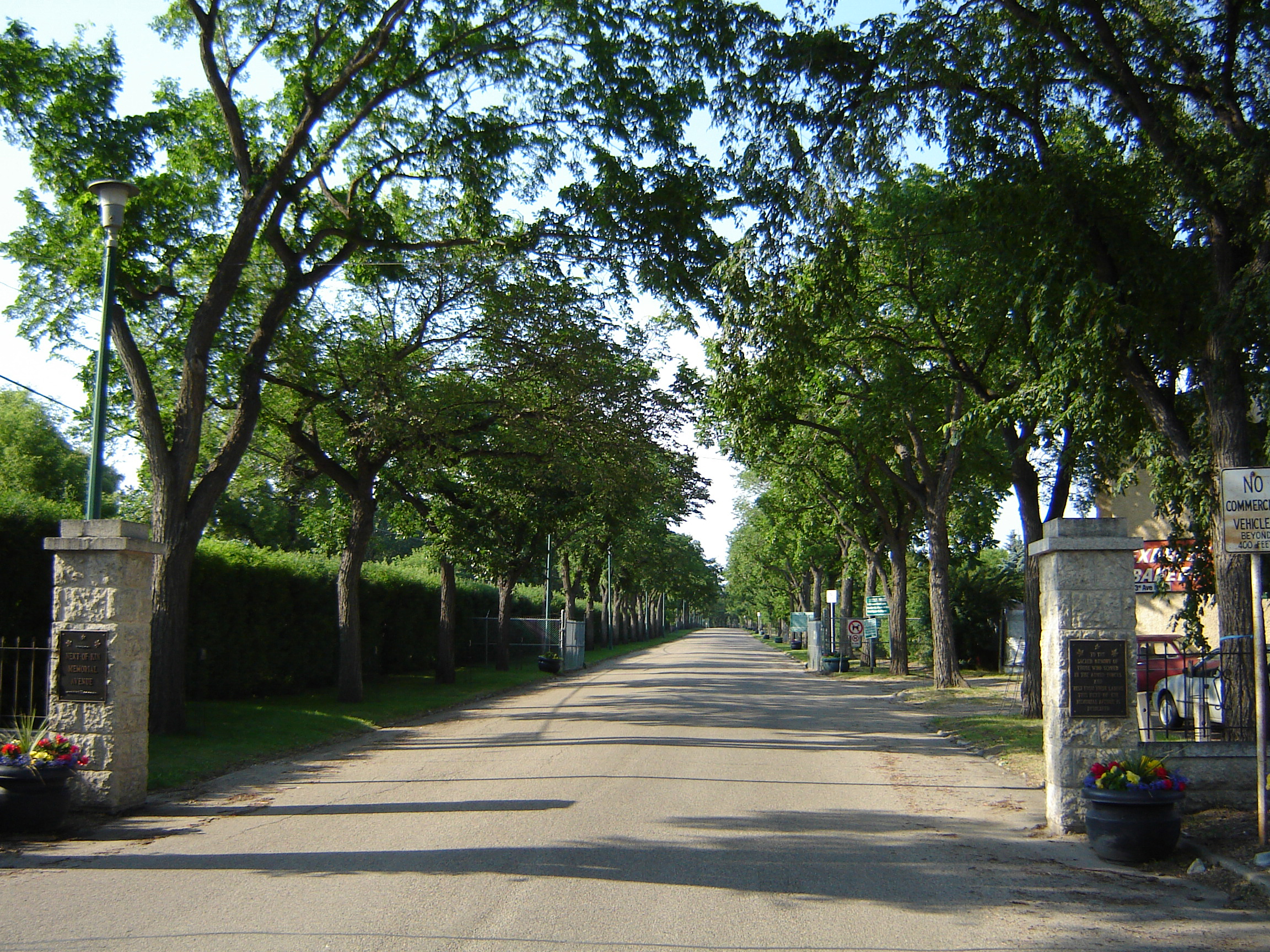
City of Saskatoon officials are removing a memorial elm tree from Woodlawn Cemetery after it tested positive for Dutch elm disease [1].
The removal is a critical step to prevent the fungal infection from spreading through one of the city's most historic landscapes. Because the disease can devastate entire urban forests, the city is employing a rapid response plan to isolate the pathogen [1].
The affected tree is located on the Memorial Avenue of Trees, a prominent feature of the cemetery [1]. This area serves as a significant landmark within the community, making the loss of a memorial tree a sensitive matter for the city and visiting families [1].
According to city data, there are approximately 2,100 other elm trees within the cemetery that could be at risk if the disease is not contained [3]. The rapid response strategy involves the immediate removal of infected timber to stop the spread of the fungus via root grafts or insect vectors, a standard practice for managing the disease in North American urban environments [1].
Officials said the decision to remove the tree was based on the confirmed diagnosis and the need to safeguard the remaining canopy [1]. The city continues to monitor the historic site to ensure the health of the surrounding greenery [1].
“The tree will be removed under the city’s rapid response plan.”
The removal of a single tree at a national historic site underscores the volatility of Dutch elm disease in urban ecosystems. By prioritizing the survival of the 2,100 remaining elms over a single memorial tree, Saskatoon officials are applying a containment strategy designed to prevent a wider ecological collapse within Woodlawn Cemetery, which would permanently alter the site's historic character.


