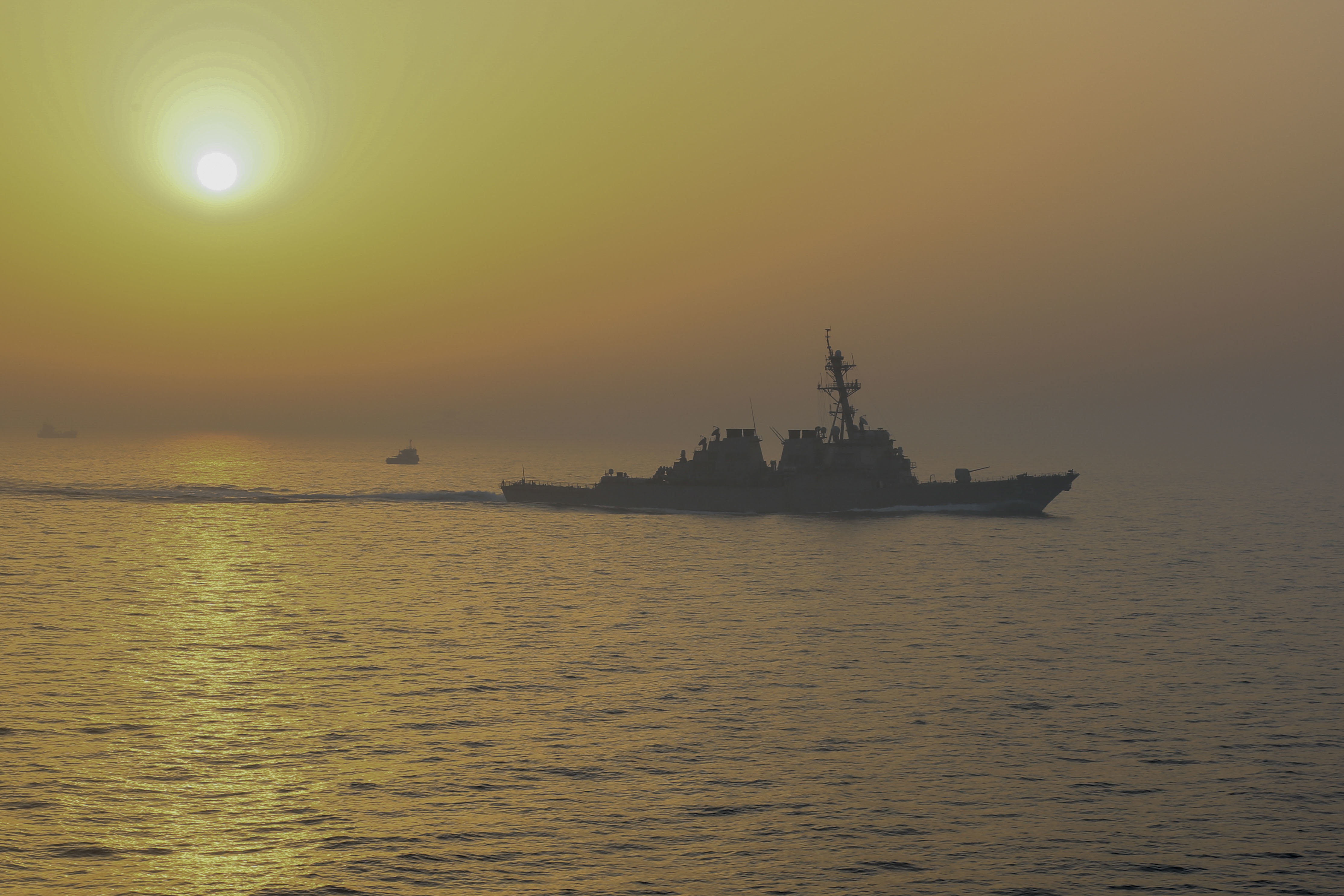
Saudi Arabia is attempting to remain neutral in the conflict between the U.S. and Israel following the start of hostilities between Israel and Iran [1].
This diplomatic balancing act is critical because Saudi Arabia seeks to avoid direct involvement in the regional escalation while maintaining its strategic interests. The kingdom's position is precarious as it navigates a volatile landscape where regional powers are increasingly polarized.
Hostilities between Israel and Iran began Feb. 28 [2], occurring two weeks after a ceasefire had been announced [2]. This sudden return to conflict has placed Saudi Arabia in a difficult position, attempting to distance itself from the direct combatants while managing the fallout within its own borders and maritime zones.
Maritime traffic has been severely impacted by the instability. A Pakistani foreign minister said that only 18 ships [3] have passed through the Hormuz Strait since the ceasefire was announced [3]. The Hormuz Strait serves as a vital artery for global energy supplies, and the limited transit reflects the high level of risk currently associated with the waterway.
Local sources indicate the kingdom is struggling to maintain this middle ground. One source said Saudi Arabia is currently facing a confusing situation [4] as it weighs its security partnerships against the risk of being drawn into a wider war.
Saudi Arabia continues to monitor the situation in the Hormuz Strait and the broader regional conflict. The kingdom's primary objective remains the prevention of direct military engagement on its soil or within its territorial waters, even as the geopolitical environment shifts rapidly around it.
“Saudi Arabia is attempting to remain neutral in the conflict between the U.S. and Israel.”
The Saudi effort to remain neutral highlights the fragility of regional ceasefires and the kingdom's desire to prioritize economic stability over ideological alignment. By avoiding a side in the Israel-Iran conflict, Riyadh is attempting to preserve its autonomy and protect critical shipping lanes, though the drastic drop in Hormuz Strait traffic suggests that regional instability may override diplomatic neutrality.
'%2F%3E%0A%20%20%20%20%3Crect%20width%3D'1600'%20height%3D'900'%20fill%3D'url(%23v)'%2F%3E%0A%20%20%20%20%3Cg%20opacity%3D'0.08'%20fill%3D'%23ffffff'%3E%0A%20%20%20%20%20%20%3Ccircle%20cx%3D'1420'%20cy%3D'180'%20r%3D'220'%2F%3E%0A%20%20%20%20%20%20%3Ccircle%20cx%3D'1500'%20cy%3D'760'%20r%3D'120'%2F%3E%0A%20%20%20%20%3C%2Fg%3E%0A%20%20%20%20%3Cline%20x1%3D'80'%20y1%3D'172'%20x2%3D'220'%20y2%3D'172'%20stroke%3D'%23ffffff'%20stroke-width%3D'3'%20stroke-opacity%3D'0.6'%2F%3E%0A%20%20%20%20%3Ctext%20x%3D'80'%20y%3D'140'%20font-family%3D'Inter%2C%20-apple-system%2C%20Helvetica%2C%20sans-serif'%20font-weight%3D'700'%20font-size%3D'28'%20fill%3D'%23ffffff'%20letter-spacing%3D'6'%3EHANNA%20%C2%B7%20NEWS%3C%2Ftext%3E%0A%20%20%20%20%3Ctext%20x%3D'80'%20y%3D'230'%20font-family%3D'Inter%2C%20-apple-system%2C%20Helvetica%2C%20sans-serif'%20font-weight%3D'600'%20font-size%3D'40'%20fill%3D'%23ffffffb3'%20letter-spacing%3D'4'%3EWORLD%3C%2Ftext%3E%0A%20%20%20%20%3Ctext%20x%3D'80'%20y%3D'694'%20font-family%3D'Playfair%20Display%2C%20Georgia%2C%20serif'%20font-weight%3D'800'%20font-size%3D'110'%20fill%3D'%23ffffff'%20letter-spacing%3D'-1'%3EJapan%20Heat%20Wave%20Pushes%3C%2Ftext%3E%3Ctext%20x%3D'80'%20y%3D'820'%20font-family%3D'Playfair%20Display%2C%20Georgia%2C%20serif'%20font-weight%3D'800'%20font-size%3D'110'%20fill%3D'%23ffffff'%20letter-spacing%3D'-1'%3ETemperatures%20Toward%2040%C2%B0C%3C%2Ftext%3E%0A%20%20%20%20%3Ctext%20x%3D'80'%20y%3D'870'%20font-family%3D'Inter%2C%20-apple-system%2C%20Helvetica%2C%20sans-serif'%20font-weight%3D'500'%20font-size%3D'22'%20fill%3D'%23ffffff66'%20letter-spacing%3D'2'%3Enews.hanna-ai.com%3C%2Ftext%3E%0A%20%20%3C%2Fsvg%3E)

