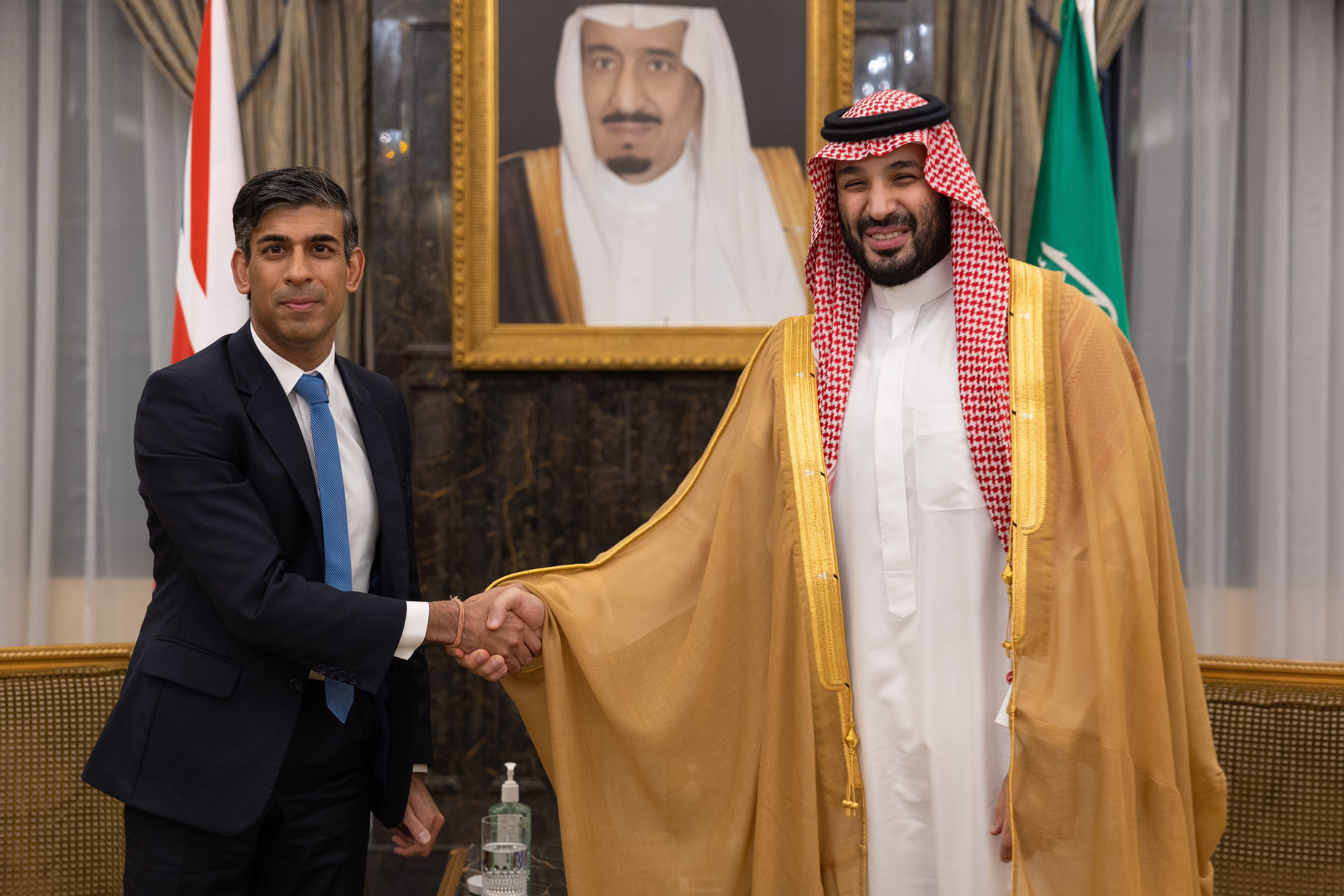
Saudi Arabia has restricted U.S. access to its bases and airspace, stating these assets are not to be used for offensive operations [1].
This restriction disrupts "Project Freedom," a plan by President Donald Trump to provide naval escorts for ships traveling through the Strait of Hormuz. The move signals a potential shift in military cooperation between Washington and Riyadh as tensions with Iran escalate [1].
Reports indicate that the Kingdom is limiting the use of its territory to prevent its involvement in offensive missions [1]. This decision comes amid rising regional volatility, where the U.S. has sought to secure critical maritime corridors against potential Iranian interference [1].
Saudi officials said the Kingdom does not authorize its airspace for offensive missions [1]. This stance creates a strategic hurdle for the U.S. military, which relies on regional partnerships to maintain a presence in the Gulf [1].
While some reports suggest a total restriction of access, a Saudi source said the restriction specifically applies to offensive operations [1]. The distinction suggests that defensive or routine logistics may still be permitted, though the operational capacity for Project Freedom remains hampered [1].
Crown Prince Mohammed bin Salman's decision arrives as the Trump administration attempts to project strength in the region [1]. The limitation of base access reduces the flexibility of U.S. air and sea assets tasked with protecting commercial shipping [1].
“Saudi Arabia has restricted U.S. access to its bases and airspace”
The restriction of U.S. access to Saudi bases suggests a strategic effort by Riyadh to avoid being drawn into a direct offensive conflict with Iran. By limiting the scope of 'Project Freedom,' Saudi Arabia is asserting its sovereignty over its airspace and territory, forcing the U.S. to find alternative staging grounds or modify its naval strategy in the Strait of Hormuz.


