Saudi Arabia's economic growth slowed in the first quarter of 2026 as the ongoing war between the U.S. and Iran disrupts regional trade [1].
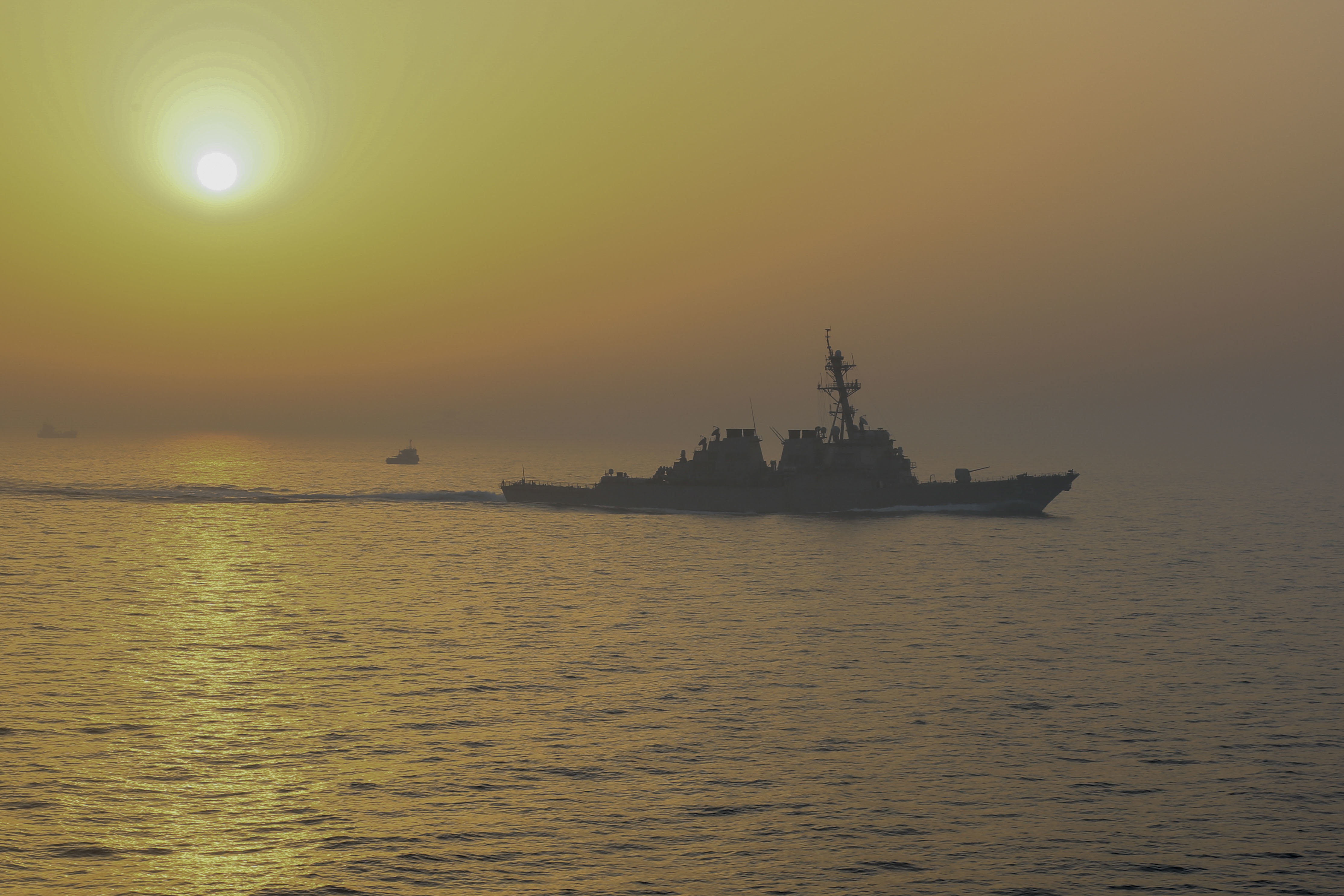
The slowdown highlights the fragility of global energy markets when conflict erupts in the Middle East. Because the Strait of Hormuz remains blockaded, the movement of oil and goods is severely restricted, impacting the financial stability of regional powers.
Saudi real gross domestic product grew 2.8% in the first quarter [1]. This represents a decline from the 3.7% growth recorded during the same period a year ago [1]. The economic fallout is attributed to the disruption of shipping lanes and the broader instability caused by the conflict [1].
The U.S. government is currently urging an international coalition to help reopen the Strait of Hormuz [2]. The blockade of this critical shipping lane was part of the U.S. response to Iranian attacks [2].
The human cost of the conflict continues to rise. U.S. officials said that more than 300 U.S. troops have been wounded in the war [3]. The conflict has been ongoing for approximately one month as of late March 2026 [3].
International criticism of the U.S. strategy has grown as the war persists. Rachel Reeves said, "I am very frustrated and angry about President Trump's folly of going to war with Iran without an exit plan" [4].
President Donald Trump has maintained the blockade as a primary lever of pressure against the Iranian government. However, the resulting economic pressure on allies like Saudi Arabia complicates the diplomatic landscape of the coalition the U.S. is attempting to build [2].
“Saudi Arabia's real gross domestic product grew 2.8% in the first quarter, slowing from 3.7% a year ago”
The decline in Saudi GDP underscores the paradox of the U.S. strategy in the region: while the blockade of the Strait of Hormuz is intended to pressure Iran, it simultaneously damages the economies of key U.S. allies. The reliance on a coalition to reopen the strait suggests that the U.S. may be seeking a multilateral exit strategy to mitigate the economic blowback and the rising casualty count among its own troops.