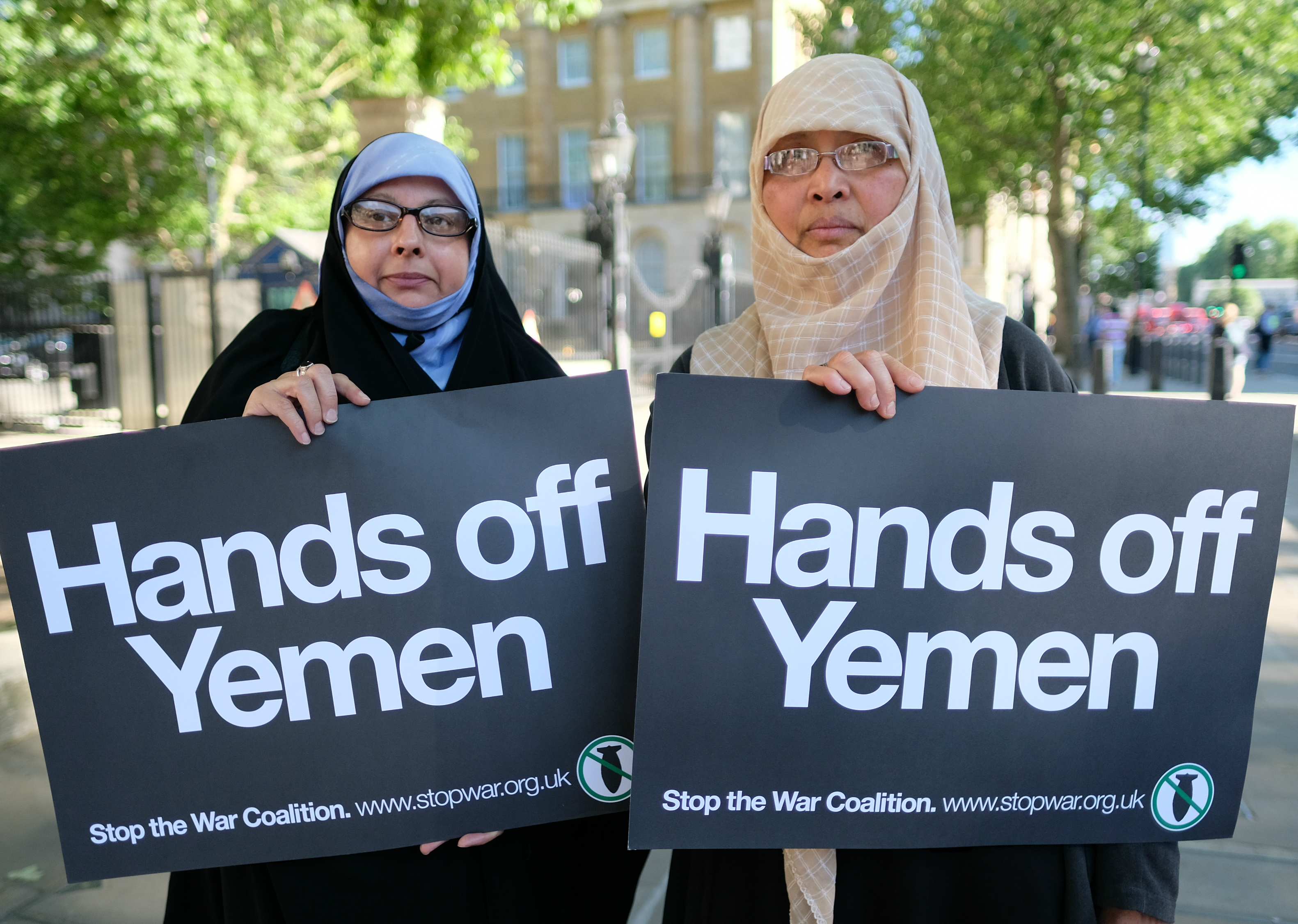
Saudi-led coalition forces struck Houthi militia targets in the Yemeni port city of Hodeidah on Saturday, July 25, 2026 [1, 2, 3].
The escalation threatens to destabilize critical maritime corridors in the Red Sea and the Strait of Hormuz, potentially impacting global energy markets during a period of heightened regional tension.
The strikes were launched in retaliation for attacks on two Saudi oil tankers in the Red Sea earlier this week [1, 4]. A Houthi spokesperson said the militia attacked the tankers to defend their people and ports [4].
Concurrent with the strikes, Saudi air defenses intercepted two ballistic missiles launched from Yemen [1, 5]. A spokesperson for the Saudi Ministry of Defense said the air defenses intercepted the projectiles [4].
The maritime instability has already influenced global markets, with crude oil prices rising above $100 per barrel [6]. The U.S. has closely monitored the situation as the coalition responds to the Houthi militia's actions.
President Donald Trump addressed the volatility in the region on July 23. He said the U.S. will hold Tehran responsible for any future Houthi attacks on ships in the Strait of Hormuz [4].
“"We will hold Tehran responsible for any future Houthi attacks on ships in the Strait of Hormuz."”
The return to kinetic strikes in Hodeidah signals a breakdown in previous efforts to maintain a ceasefire in Yemen. By linking Houthi maritime aggression to Iranian influence, the U.S. and Saudi Arabia are framing these skirmishes as part of a larger geopolitical confrontation with Tehran, which elevates the risk of a broader regional conflict that could further disrupt global oil supplies.


