Six Saudi-operated oil tankers diverted their course around the southern tip of Africa this month to avoid threats from Yemen's Houthi rebels [1].
The rerouting signals a significant escalation in the risks facing energy shipments through one of the world's most critical maritime chokepoints. By avoiding the Red Sea, these vessels bypass a volatile zone where Houthi-led blockades and missile threats have disrupted global trade.
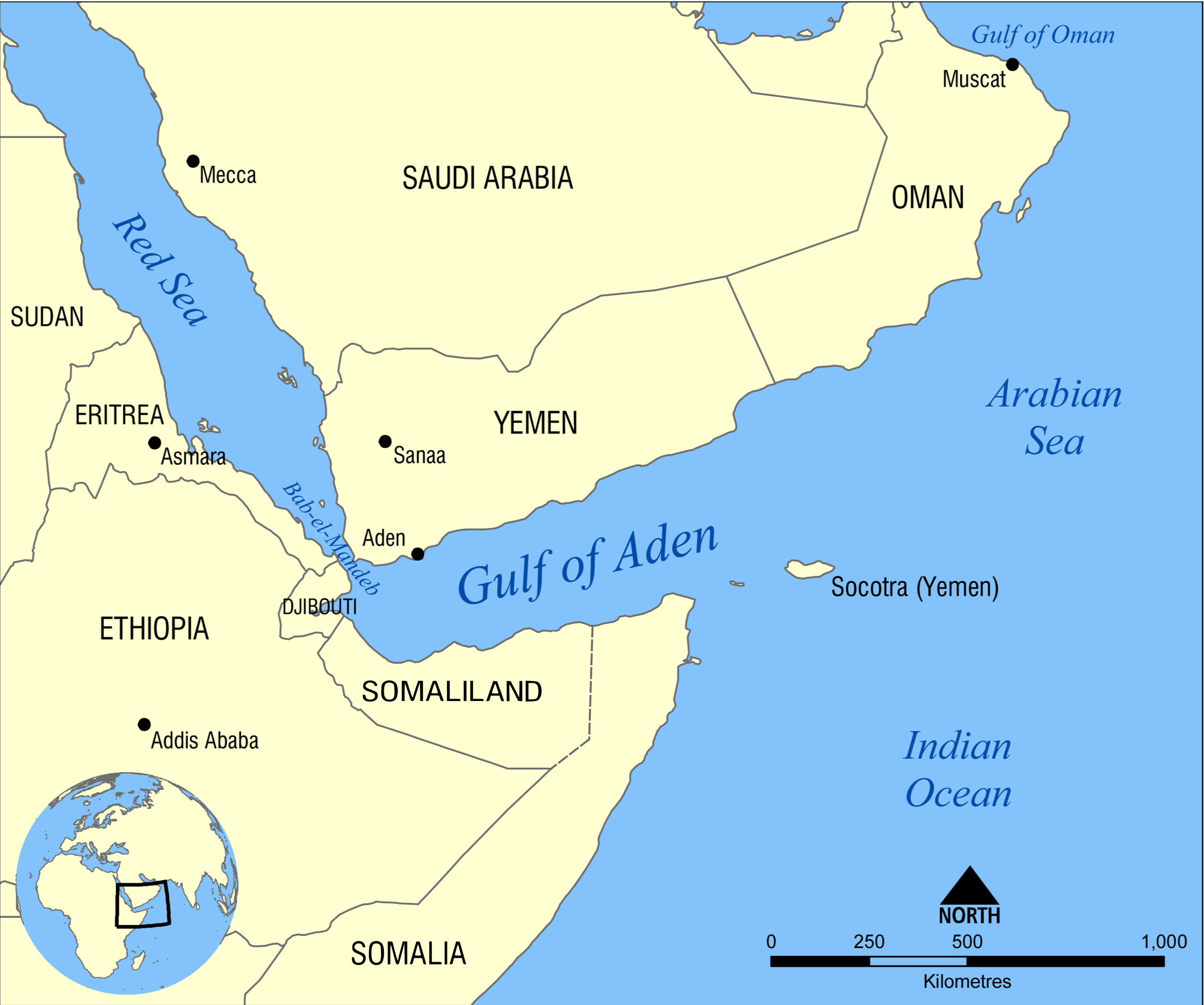
The tankers were positioned in the Arabian Sea near the Bab el-Mandeb strait before opting for the longer route [1], [2]. Rather than entering the narrow passage that connects the Indian Ocean to the Red Sea, the ships sailed south around the African continent to return to the Indian Ocean [1], [2].
This detour comes with a substantial cost in time and logistics. The decision to sail around Africa adds a minimum of two weeks to the total sailing time for each vessel [2]. Such delays can increase operational costs and disrupt delivery schedules for crude oil, and refined products.
The Houthi rebels have continued to target shipping in the region, citing various political and military objectives. The move by Saudi-operated ships suggests that the threat level in the Red Sea remains too high for some of the region's most prominent energy carriers to risk the passage.
Maritime security experts said that the Bab el-Mandeb strait is a primary target for Houthi forces due to its strategic importance. The diversion of these six tankers [1] highlights the ongoing instability in the region and the lengths to which shipping companies will go to ensure the safety of their crews, and cargo.
“Six Saudi-operated oil tankers diverted their course around the southern tip of Africa this month.”
The decision by Saudi-operated tankers to avoid the Red Sea demonstrates the effectiveness of Houthi asymmetric warfare in disrupting regional energy logistics. When major players in the oil market opt for the costly and time-consuming route around Africa, it increases the global cost of shipping and underscores the fragility of the Bab el-Mandeb strait as a reliable transit point for global energy supplies.

