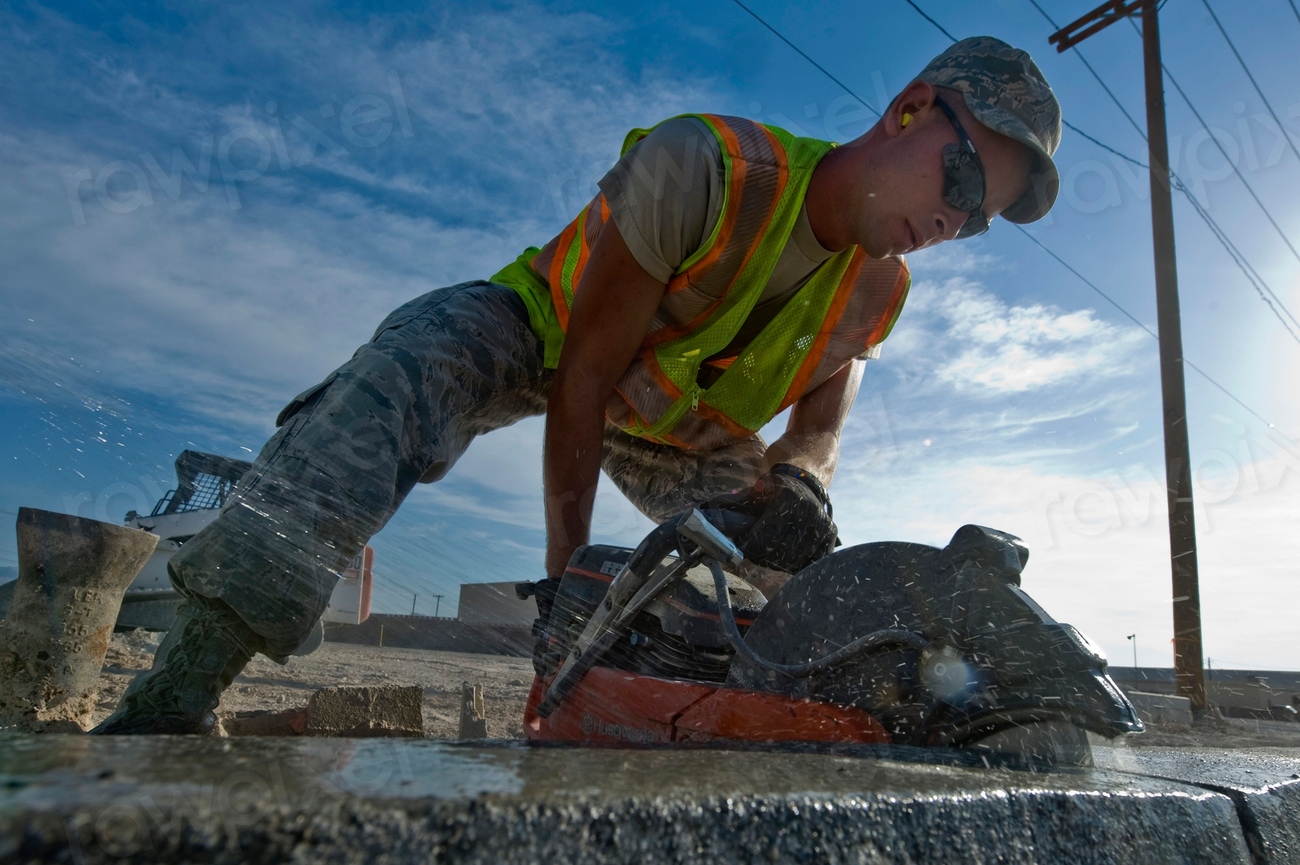
Engineers are intentionally sawing a concrete dam in half to manage chemical degradation known as alkali-silica reactions [1].
This method is critical because alkali-silica reactions cause concrete to expand and crack from within. If left unaddressed, the internal pressure can compromise the structural integrity of massive infrastructure projects, leading to costly repairs or catastrophic failure.
In a demonstration produced by Practical Engineering, host Signe said the process using footage provided by the Tennessee Valley Authority [1]. The technique involves creating a controlled gap in the structure. This gap allows the concrete to expand without creating uncontrolled fractures that would weaken the dam's overall stability.
The process transforms a rigid structure into one that can breathe. By providing a designated space for the expansion to occur, engineers can prevent the unpredictable cracking that typically accompanies these chemical reactions [1]. This proactive approach to maintenance allows the Tennessee Valley Authority to extend the lifespan of the asset while maintaining safety standards.
Signe said, "Thanks to the @TennesseeValleyAuthority for their help and footage" [1]. The collaboration highlights the intersection of theoretical engineering and practical application in the field of public works.
Concrete is often viewed as a static material, but it is subject to complex chemical changes over decades. Managing these reactions requires unconventional solutions, such as the deliberate introduction of a seam, to ensure the structure remains viable under extreme pressure [1].
“Engineers are intentionally sawing a concrete dam in half to manage chemical degradation.”
The use of intentional expansion joints to combat alkali-silica reactions represents a shift from trying to stop chemical degradation to managing its physical effects. By accepting that concrete will expand and providing a controlled path for that movement, engineers can prevent the random structural failure that often plagues aging concrete dams and bridges.
'%2F%3E%0A%20%20%20%20%3Crect%20width%3D'1600'%20height%3D'900'%20fill%3D'url(%23v)'%2F%3E%0A%20%20%20%20%3Cg%20opacity%3D'0.08'%20fill%3D'%23ffffff'%3E%0A%20%20%20%20%20%20%3Ccircle%20cx%3D'1420'%20cy%3D'180'%20r%3D'220'%2F%3E%0A%20%20%20%20%20%20%3Ccircle%20cx%3D'1500'%20cy%3D'760'%20r%3D'120'%2F%3E%0A%20%20%20%20%3C%2Fg%3E%0A%20%20%20%20%3Cline%20x1%3D'80'%20y1%3D'172'%20x2%3D'220'%20y2%3D'172'%20stroke%3D'%23ffffff'%20stroke-width%3D'3'%20stroke-opacity%3D'0.6'%2F%3E%0A%20%20%20%20%3Ctext%20x%3D'80'%20y%3D'140'%20font-family%3D'Inter%2C%20-apple-system%2C%20Helvetica%2C%20sans-serif'%20font-weight%3D'700'%20font-size%3D'28'%20fill%3D'%23ffffff'%20letter-spacing%3D'6'%3EHANNA%20%C2%B7%20NEWS%3C%2Ftext%3E%0A%20%20%20%20%3Ctext%20x%3D'80'%20y%3D'230'%20font-family%3D'Inter%2C%20-apple-system%2C%20Helvetica%2C%20sans-serif'%20font-weight%3D'600'%20font-size%3D'40'%20fill%3D'%23ffffffb3'%20letter-spacing%3D'4'%3ESCIENCE%3C%2Ftext%3E%0A%20%20%20%20%3Ctext%20x%3D'80'%20y%3D'622'%20font-family%3D'Playfair%20Display%2C%20Georgia%2C%20serif'%20font-weight%3D'800'%20font-size%3D'86'%20fill%3D'%23ffffff'%20letter-spacing%3D'-1'%3ECleveland%20Clinic%20Highlights%3C%2Ftext%3E%3Ctext%20x%3D'80'%20y%3D'721'%20font-family%3D'Playfair%20Display%2C%20Georgia%2C%20serif'%20font-weight%3D'800'%20font-size%3D'86'%20fill%3D'%23ffffff'%20letter-spacing%3D'-1'%3ELung%20Cancer%20Screening%3C%2Ftext%3E%3Ctext%20x%3D'80'%20y%3D'820'%20font-family%3D'Playfair%20Display%2C%20Georgia%2C%20serif'%20font-weight%3D'800'%20font-size%3D'86'%20fill%3D'%23ffffff'%20letter-spacing%3D'-1'%3EServices%3C%2Ftext%3E%0A%20%20%20%20%3Ctext%20x%3D'80'%20y%3D'870'%20font-family%3D'Inter%2C%20-apple-system%2C%20Helvetica%2C%20sans-serif'%20font-weight%3D'500'%20font-size%3D'22'%20fill%3D'%23ffffff66'%20letter-spacing%3D'2'%3Enews.hanna-ai.com%3C%2Ftext%3E%0A%20%20%3C%2Fsvg%3E)

