Joe Scarborough criticized Vice President JD Vance after the official downplayed the Watergate scandal during a visit to California this week.
The exchange highlights a growing tension between current administration narratives and established historical records regarding presidential misconduct and government oversight. By framing a landmark constitutional crisis as a product of a "deep state," Vance challenges the traditional understanding of the events that led to the only presidential resignation in U.S. history.
Speaking June 24, 2026, at the Richard Nixon Presidential Library in Yorba Linda, Vance expressed his admiration for the 37th president [1]. He suggested that the political establishment was responsible for the fallout of the scandal, saying, "I admire Nixon and the deep state went after him" [2]. Vance said that the Watergate scandal would be a "12-hour news story" [3] if it occurred in the modern media environment.
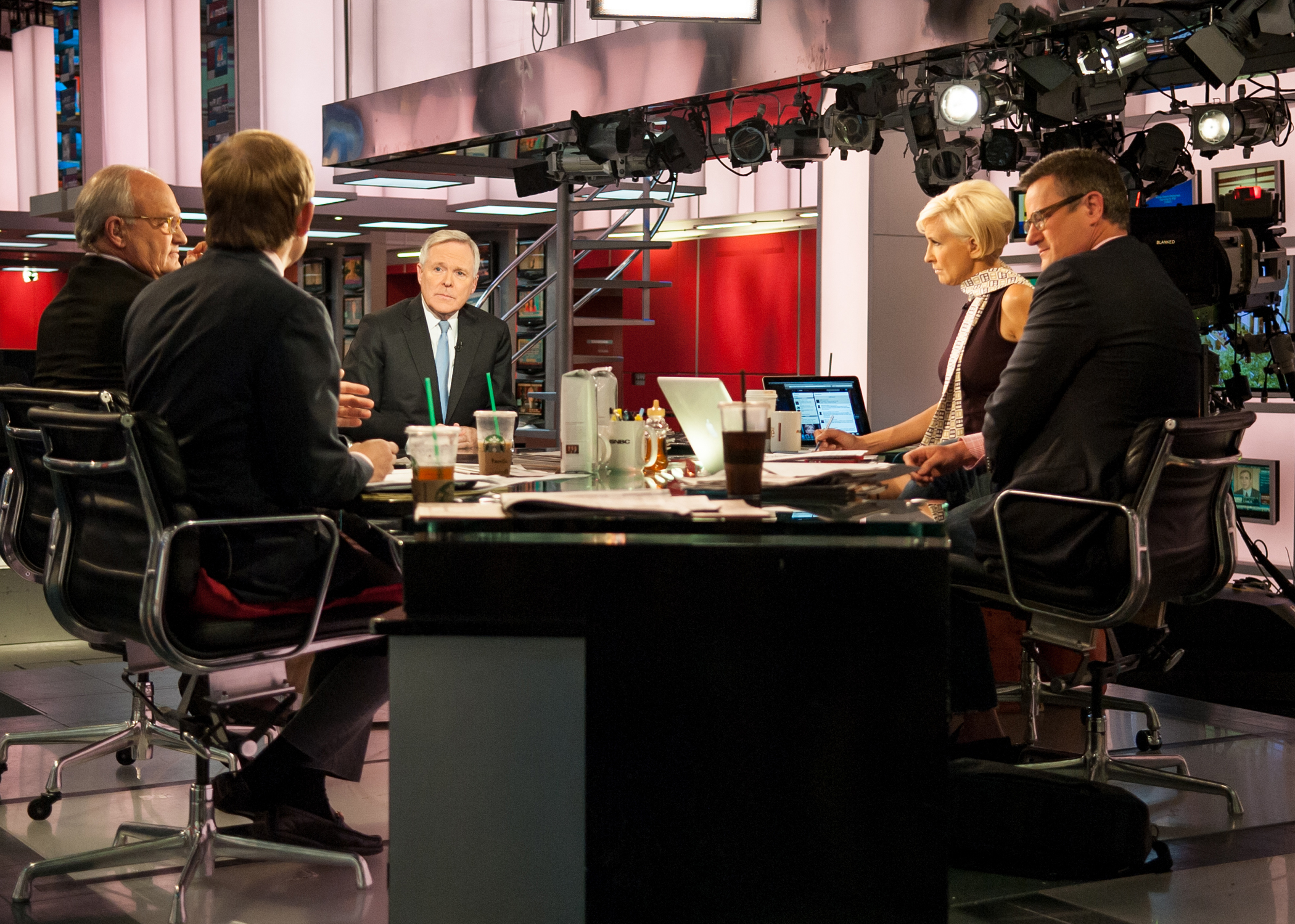
Scarborough, the host of Morning Joe, responded to these remarks on his program. He said Vance's characterization of the scandal was dangerous and ahistorical [4]. Scarborough questioned the Vice President's understanding of history, asking, "Where did you go to school, man?" [5].
Richard Nixon resigned in 1974 [6] following the discovery of a break-in at the Democratic National Committee headquarters and subsequent efforts to cover up the crime. The resulting investigation led to the first time a U.S. president left office under the threat of impeachment.
Scarborough's critique focuses on the idea that minimizing the impact of Watergate undermines the accountability of the executive branch. He said that the claim regarding the brief news cycle of such a scandal today is particularly concerning given the current political climate.
“"I admire Nixon and the deep state went after him."”
This clash reflects a broader effort by some political figures to redefine historical events through the lens of 'deep state' theories. By suggesting that a scandal which forced a resignation would now be a brief news cycle, Vance is commenting on the fragmented nature of modern media and the perceived bias of federal institutions, while critics argue this erodes the historical precedent used to maintain presidential accountability.


