Harvard physicist David Weitz and Sorted Food presenter Ben Ebbrell delivered a lecture on the scientific principles of everyday cooking in London [1].
The presentation bridges the gap between academic physics and culinary practice, demonstrating how molecular interactions dictate the texture and stability of common foods.
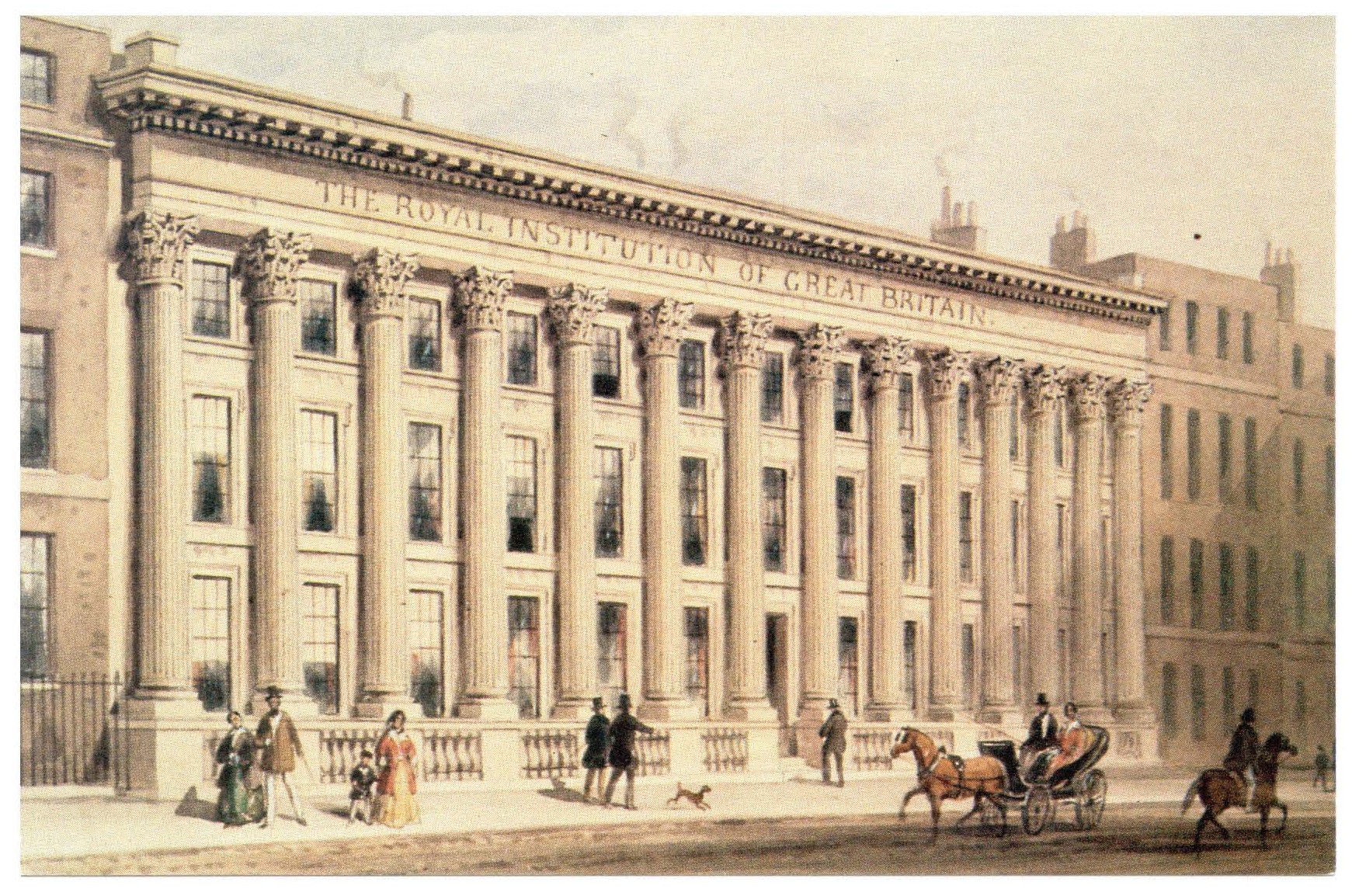
The event, titled “The Science of Cooking,” took place at the Royal Institution on April 18, 2026 [1]. Weitz and Ebbrell used the platform to reveal the hidden mechanisms that govern the kitchen, specifically focusing on the physics of emulsions and foams.
One primary focus of the lecture was the solidification of mayonnaise. The presenters explained the process of emulsification, where oil and water—which naturally repel each other—are bound together by an emulsifier to create a stable, creamy structure [1].
The duo also examined the behavior of meringue. By analyzing how air is trapped within egg white proteins, they demonstrated how mechanical agitation transforms a liquid into a rigid foam [1]. This process illustrates the role of surface tension and protein denaturation in food science.
Beyond desserts and condiments, the lecture explored the physics of a martini [1]. The discussion detailed how different ingredients interact to affect the drink's viscosity and mouthfeel, showing that even simple cocktails follow strict physical laws.
By combining Weitz's background in physics with Ebbrell's experience in food media, the lecture aimed to make complex scientific concepts accessible to a general audience [1]. The presentation highlighted that cooking is essentially a series of chemical reactions and physical changes that can be predicted and controlled through science.
“The presentation bridges the gap between academic physics and culinary practice.”
This collaboration highlights a growing trend in public science communication where academic expertise is paired with digital media personalities to increase scientific literacy. By applying physics to domestic tasks, the lecture frames the kitchen as a laboratory, suggesting that understanding molecular gastronomy can lead to more consistent and innovative culinary results.