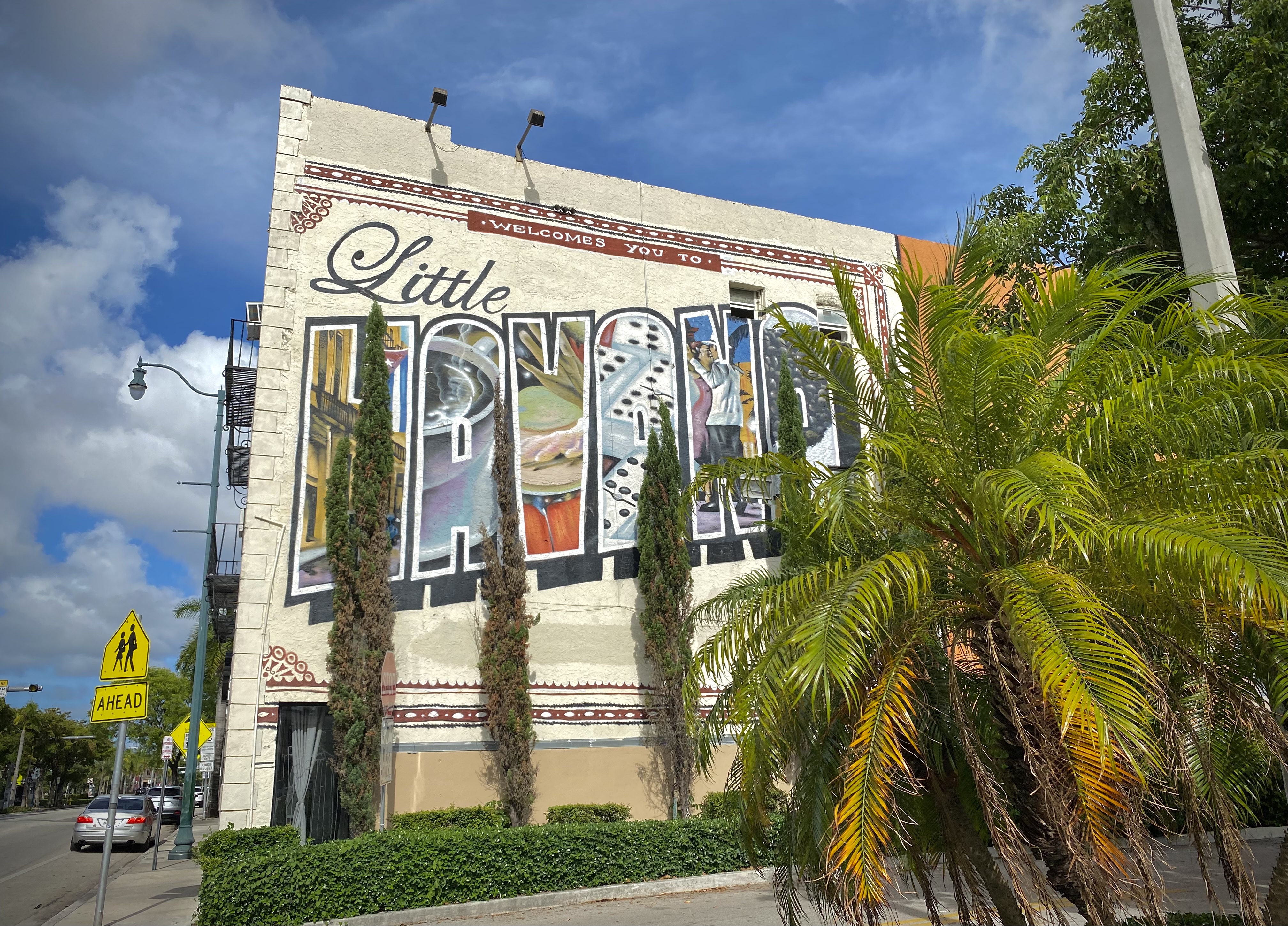
Thousands of Scotland fans gathered in Miami's Little Havana district this week to support their national team ahead of a World Cup match [1].
The presence of the "Tartan Army" highlights the global scale of the 2026 tournament and the cultural impact of traveling supporters on U.S. host cities.
Fans arrived in Miami between June 21 and June 23, 2026 [2]. Many of the supporters traveled to Florida after a previous stop in Boston, where they expressed gratitude to the local community before heading to their next destination [2].
In Little Havana, the supporters transformed the neighborhood into a festive hub. The group braved the local heat and humidity to maintain their celebratory atmosphere [3]. This gathering served as a prelude to the team's scheduled group-stage appearance at Hard Rock Stadium [3].
The event in Miami follows a pattern of high-energy celebrations as the Scottish supporters move across the U.S. to follow their team's progress in the tournament [2]. The concentration of thousands of fans in a single district demonstrated the scale of the Scottish contingent's travel efforts [1].
As the group-stage period continues, these gatherings provide a visible marker of the tournament's reach. The interaction between the Scottish fans and the residents of Miami's historic districts underscores the intersection of international sport, and local urban culture [1].
“Thousands of Scotland fans gathered in Miami's Little Havana district”
The mobilization of the Tartan Army across multiple U.S. cities illustrates the logistical and economic footprint of the 2026 World Cup. By utilizing hubs like Boston and Miami, international fanbases are creating temporary cultural enclaves, which increases the visibility of the tournament beyond the stadiums and into the daily life of American urban centers.