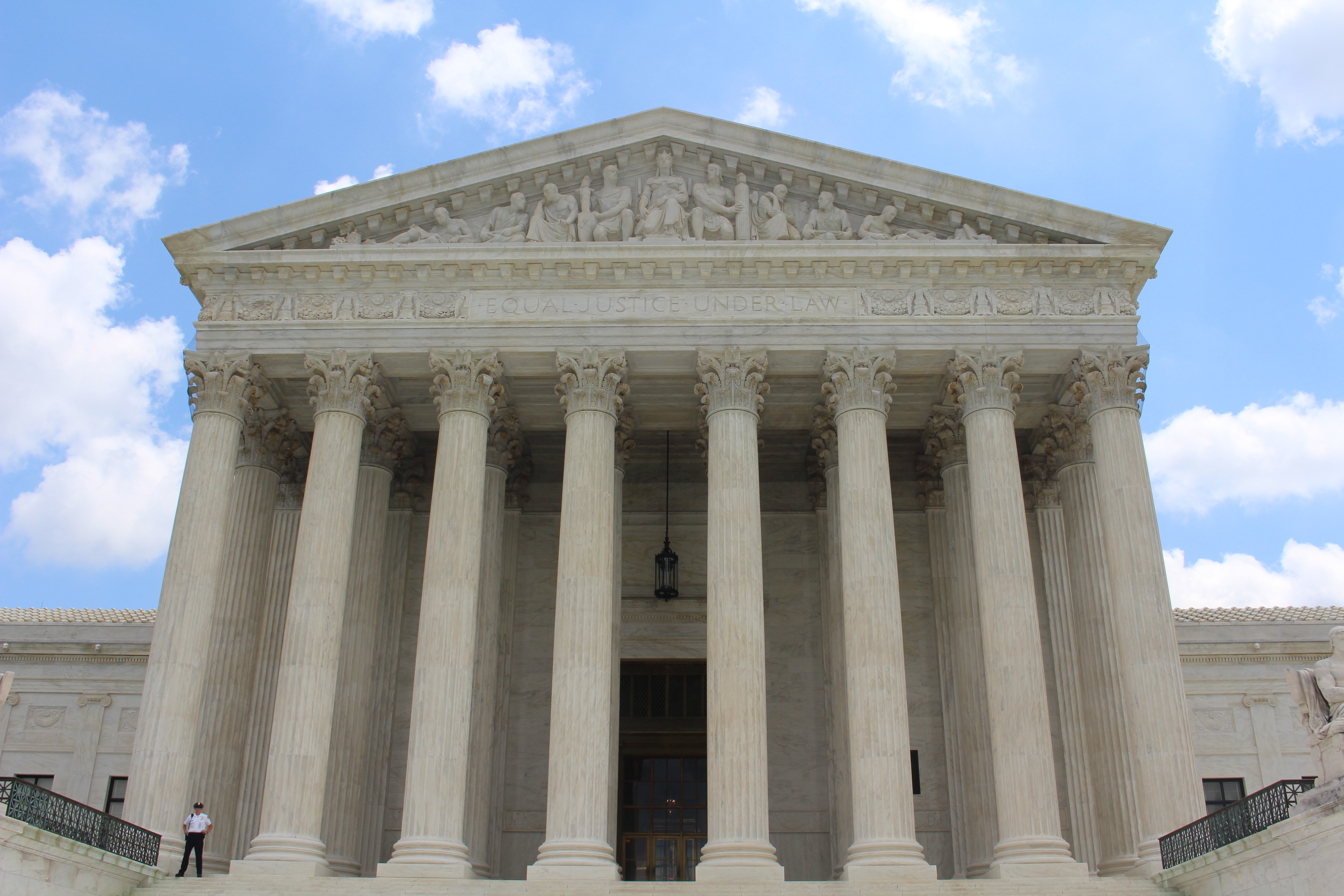
The U.S. Supreme Court rejected an attempt by President Donald Trump to restrict birthright citizenship through an executive order [1].
This ruling preserves a foundational legal principle of American identity, ensuring that children born on U.S. soil remain eligible for automatic citizenship regardless of their parents' legal status [2].
The court decided the matter in a six-three vote [3]. The majority found that the executive order was unconstitutional because it violated the citizenship clause of the 14th Amendment to the U.S. Constitution [1, 4].
Under the 14th Amendment, all persons born or naturalized in the United States and subject to the jurisdiction thereof are citizens of the United States [4]. The court's decision prevents the administration from using executive action to bypass this constitutional mandate, a move that would have fundamentally altered the legal landscape for millions of immigrant families [2].
Legal challenges against the order argued that the president lacked the authority to unilaterally redefine citizenship criteria. By upholding the existing interpretation of the law, the court reaffirmed that the right to birthright citizenship cannot be stripped by a directive from the White House [1, 5].
The decision comes as a significant legal defeat for President Trump, who has frequently advocated for the end of birthright citizenship to discourage undocumented immigration [2, 5].
“The court ruled 6-3 that an executive order limiting citizenship for children born in the US violates the 14th Amendment.”
This ruling reinforces the primacy of the 14th Amendment over executive authority, confirming that the definition of citizenship is a constitutional matter rather than a policy preference. It removes the immediate legal threat to children born in the U.S. to non-citizen parents and signals a judicial limit on the president's ability to alter immigration status through executive orders.


