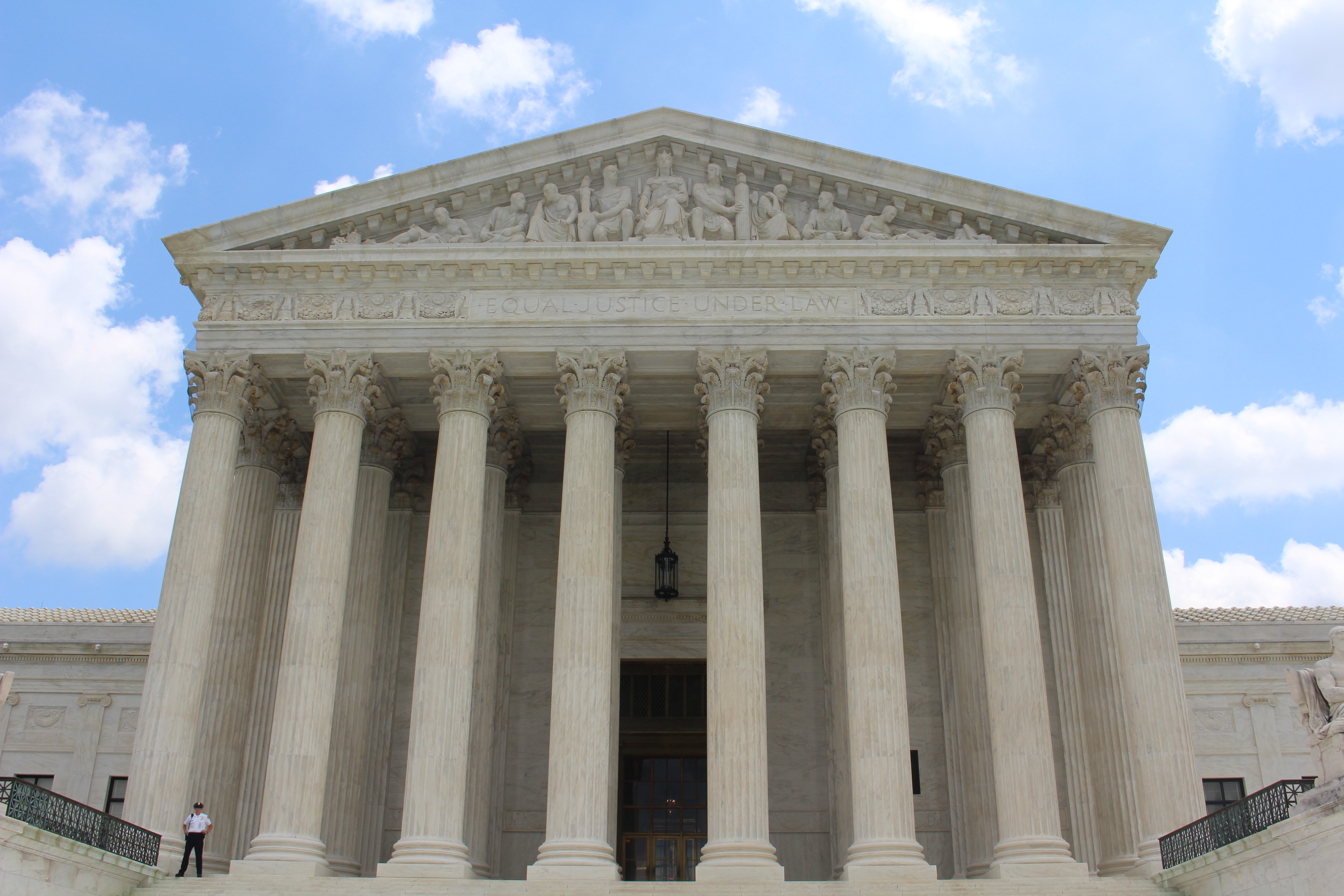
The U.S. Supreme Court rejected President Donald Trump's bid to end or restrict birthright citizenship on Tuesday [1].
This ruling preserves a fundamental pillar of American immigration law by ensuring that children born in the United States remain citizens regardless of their parents' legal status. The decision blocks a key component of the administration's anti-immigration initiative and maintains the status quo for millions of families.
In the ruling issued June 30, 2026 [1], the justices denied the effort to limit the constitutional guarantee of automatic citizenship for most children born on American soil [2]. The Court upheld the longstanding constitutional interpretation of the 14th Amendment, which guarantees citizenship to anyone born in the United States [3].
Legal experts said the decision reinforces the principle that the executive branch cannot unilaterally alter constitutional mandates. The ruling comes after a period of intense legal debate over whether presidential orders could override the birthright citizenship established by the 14th Amendment.
Reaction to the decision was immediate among state leaders. Governor Maura Healey (D-MA) said, "Trump can't rewrite the Constitution" [4].
The Court's decision serves as a definitive legal barrier to the administration's attempts to restrict citizenship through executive action. By adhering to the text of the Constitution, the justices avoided creating a new legal category for children born in the U.S. to non-citizen parents, a move the administration argued was necessary for national security and immigration control.
“Trump can't rewrite the Constitution.”
This ruling affirms the primacy of the 14th Amendment over executive orders, ensuring that birthright citizenship remains an automatic right rather than a discretionary benefit. By rejecting the administration's bid, the Supreme Court has prevented a significant shift in U.S. demographics and legal status that would have created a permanent class of non-citizen residents born on American soil.


