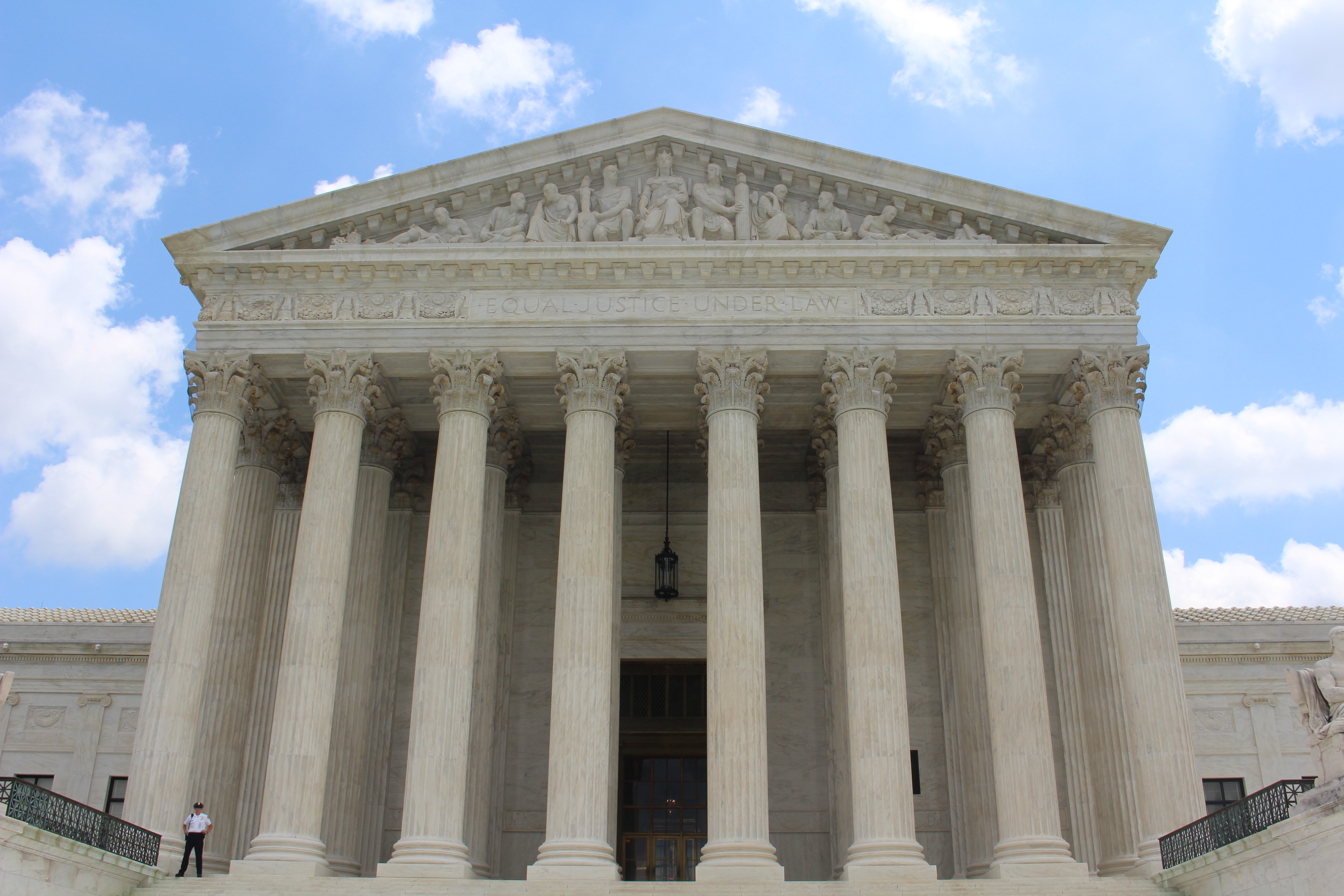
The U.S. Supreme Court is preparing to issue rulings on birthright citizenship, transgender athletes, and mail-in ballots [1].
These decisions are critical because they directly intersect with the policy goals of the Trump administration. Depending on the outcomes, the rulings could either provide a legal foundation for the administration's plans or create significant judicial barriers to their implementation [1].
Among the cases under review is the legal status of birthright citizenship. This issue remains a central pillar of the administration's approach to immigration and national identity [1]. The court's interpretation of the Constitution in this matter will determine the legality of efforts to limit citizenship for children born in the U.S. to non-citizen parents [1].
Similarly, the court is weighing the rights of transgender athletes. This case touches on broader debates regarding gender identity in sports and the scope of federal non-discrimination laws [1]. The ruling will likely influence how schools and athletic organizations across the country manage participation and eligibility [1].
Election integrity and voting procedures are also on the docket. The justices are reviewing cases involving mail-in ballots, which have become a flashpoint for legal disputes over the validity of votes and the administration of elections [1]. These decisions could reshape how future elections are conducted in various states [1].
Legal analysts said that the court's current composition may play a role in how these cases are decided. The administration's agenda relies heavily on a judicial interpretation that favors executive authority and a strict reading of constitutional texts [1].
“The cases could either help or seriously wound the Trump administration's plans”
The convergence of these high-stakes rulings represents a pivotal moment for the Trump administration. Because the cases cover diverse areas—from immigration and civil rights to election law—the cumulative effect of the decisions will determine the administration's ability to enact its core platform without facing continuous legal reversals in lower courts.


