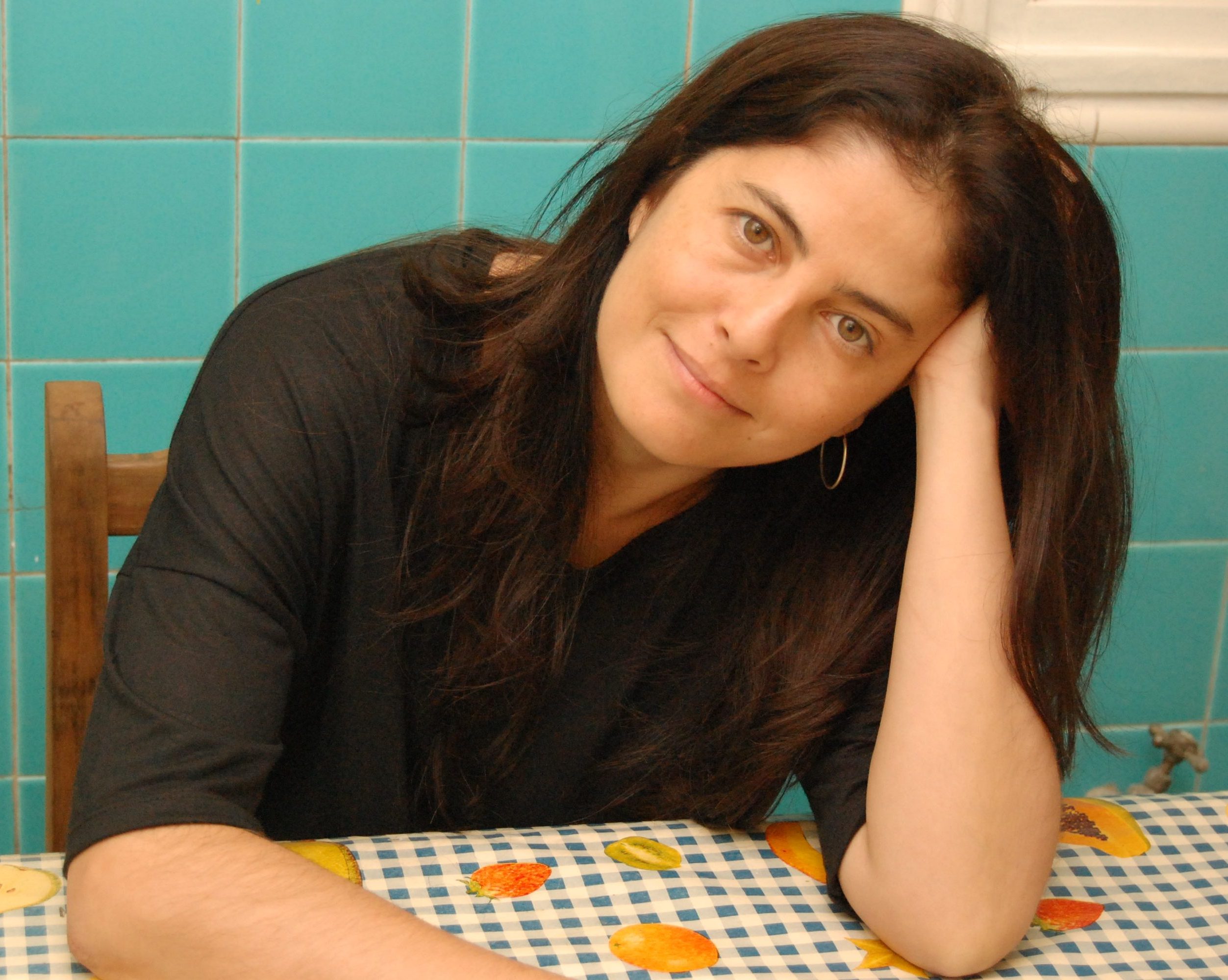
Argentine writer Selva Almada said that public education is the secret behind the success of Argentine literature [1].
Her perspective highlights the link between state-funded academic access and the creation of a sustainable reading culture. By identifying the classroom as the engine of literary production, Almada suggests that the country's intellectual output depends on the democratization of knowledge.
Speaking at Librería Alberti in Madrid, Spain, during a recording of the El País podcast "Qué estás leyendo," Almada emphasized that public education builds the readership that sustains writers [1]. She described her own early relationship with books by saying, "Me hice lectora antes de aprender a leer" [1].
Almada, who was born in 1973 [3], has spent her career exploring the landscapes and social complexities of Argentina. Her latest novel, "Una casa sola," was published in 2026 [4]. The author's work often intersects with social commentary on class and accessibility.
Beyond the academic sphere, Almada has expressed concern regarding the social climate in her home country. In a separate statement to El Diario, she said, "En Argentina ha crecido el desprecio al pobre, y eso me aterra" [2]. This sentiment mirrors her argument that the erosion of public support systems could threaten the cultural foundations she credits for the nation's literary achievements.
Throughout the discussion in Madrid, Almada framed the relationship between the state and the arts as symbiotic. She argued that when the state provides education, it effectively creates the audience that allows a national literature to flourish [1].
“"El secreto de la literatura argentina es la educación pública"”
Almada's comments connect literary prestige to socio-economic policy. By framing public education as the 'secret' to literary success, she asserts that Argentina's cultural capital is not an accidental byproduct of individual genius, but a result of systemic investment in literacy and public schooling.


