Analysts predict several semiconductor stocks could rise up to 50% over the next 12 months [1, 2].
This potential growth reflects the critical role of artificial intelligence in the global economy. As companies race to build AI infrastructure, the demand for specialized chips has created a high-growth environment for the manufacturers that provide them.
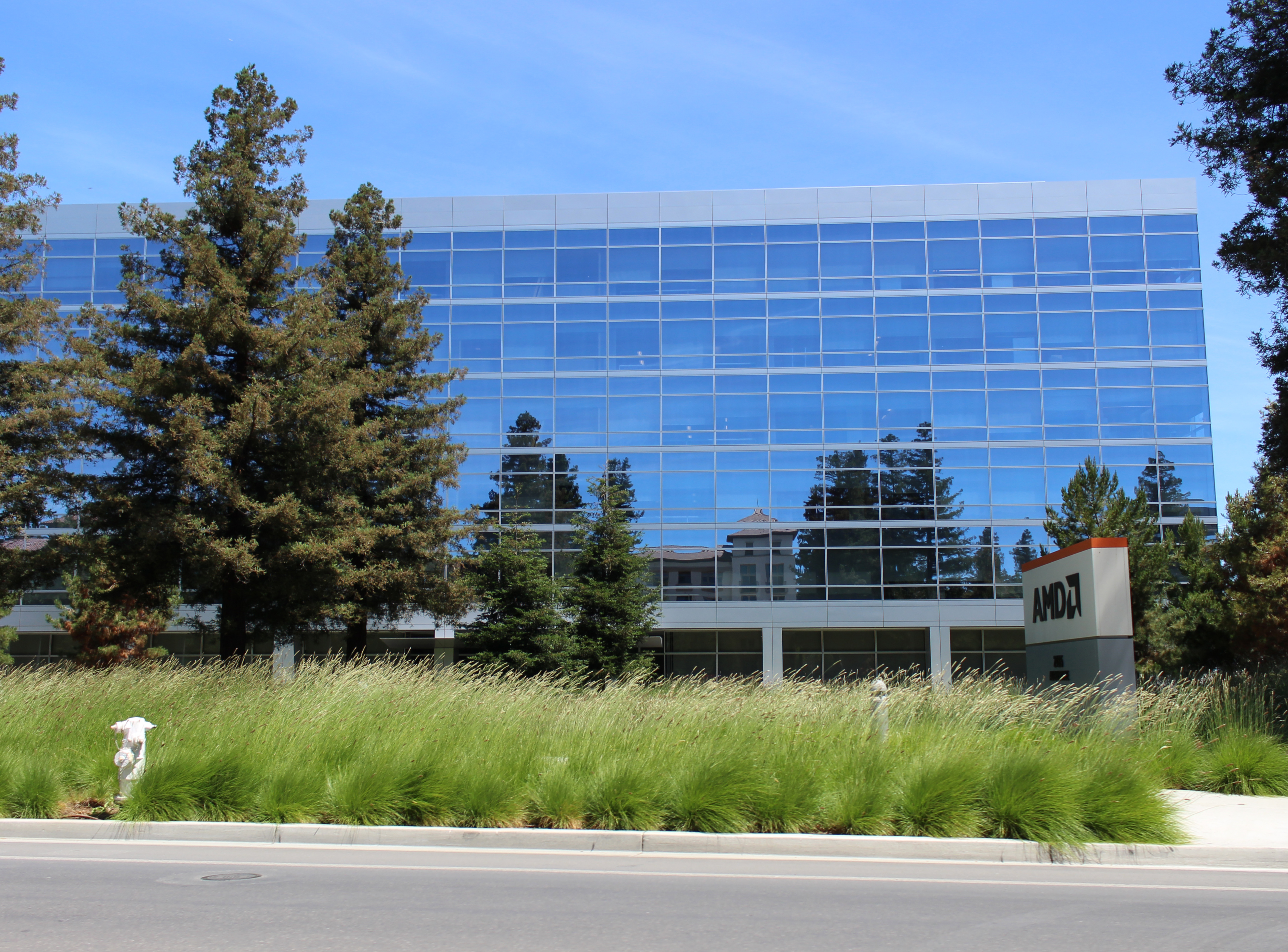
Market expectations are particularly strong for companies such as AMD and Broadcom, which analysts said could see a 50% increase [2]. This optimism is driven by a combination of strong demand for AI-related chips, ongoing supply-chain constraints, and bullish price targets [3, 4, 5].
Other chip makers are also seeing movement. ON Semiconductor is projected to hit a new all-time high this year after its price bottomed below $41 [5]. Additionally, some stocks have recently hit 52-week highs, including NOK at $15.78 and NVTS at $29.50 [6].
However, the rapid ascent of these equities has created a divide among market watchers. While some see continued growth, others said the semiconductor trade may be overheating [4]. This volatility suggests that while the upside is significant, the rally could be susceptible to a pull-back if investor expectations outpace actual delivery [4].
The current trajectory remains tied to the broader AI war, with companies like Samsung and Micron competing for dominance in the memory and processing space [3]. This competition ensures that the sector remains a focal point for U.S. equity markets, specifically on the NASDAQ and other major exchanges [1, 4].
“Analysts predict several semiconductor stocks could rise up to 50% over the next 12 months”
The divergence between bullish price targets and warnings of an overheated market indicates a high-risk, high-reward phase for the semiconductor industry. While AI integration provides a fundamental catalyst for growth, the sector's sensitivity to supply-chain stability and investor sentiment means that any disruption in AI adoption could lead to a sharp correction in stock valuations.